Bains Kloof Pass, with an elevation of 597 m above sea level, is said to be one of the finest and most scenic passes in South Africa.
Completed in 1854, this engineering masterpiece was designed and built by master pass builder Andrew Geddes Bain with the use of convict labour and raw, rough materials and methods.
Originally built for carriages and carts, the pass was later tarred. Bain achieved this remarkable feat without any formal engineering training, and then continued to build several more passes in the Western Cape. He and his son Thomas collectively built more than 30 passes in the country.
In 1934 the road was tarred, and between 2020 and 2022 the pass was closed for renovations.
One of the most picturesque and magnificently constructed passes in South Africa, is deservedly a National Monument which blends in perfectly with its natural surroundings.
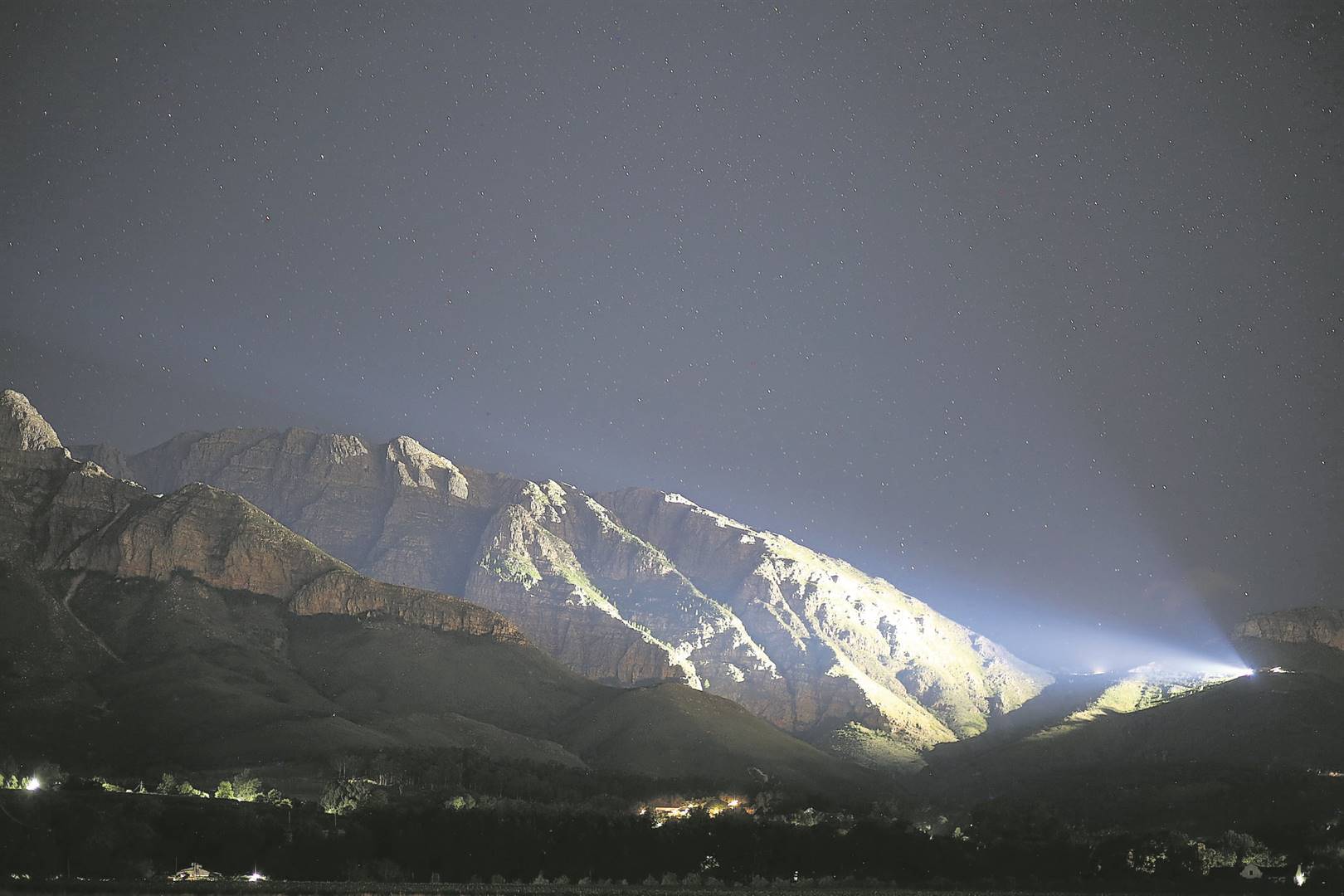
Tucked away in the Limiet Mountains, the pass is 31,2 km long, running from Wellington to the bridge over the Breede River near Wolseley.
The road is pretty challenging and features countless turns. The road is very steep, hitting a 9% of maximum gradient through some of the ramps. On one side of the pass is the mountain, on the other side, a very very steep cliff, with the Bainskloof river at the bottom.
The road is at certain parts very narrow and some parts of the road are not in a very good condition.
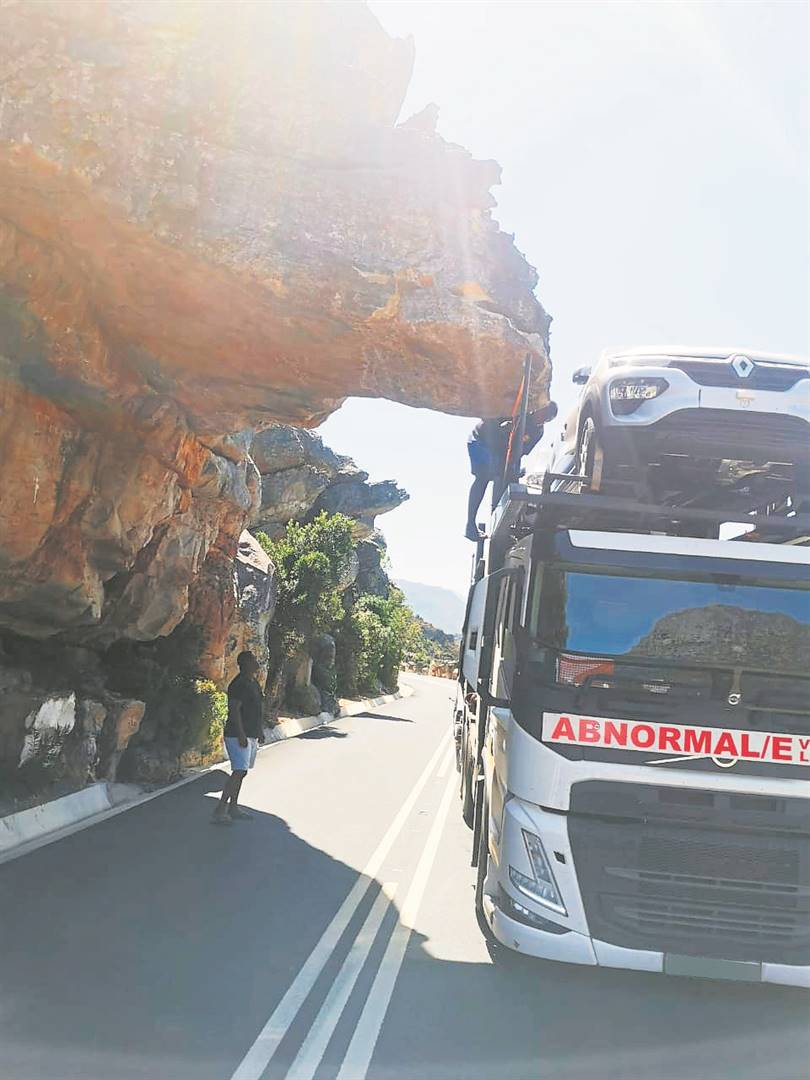
An on top of it all there are a few rock overhangs, such as the famous Dacres Pulpit.
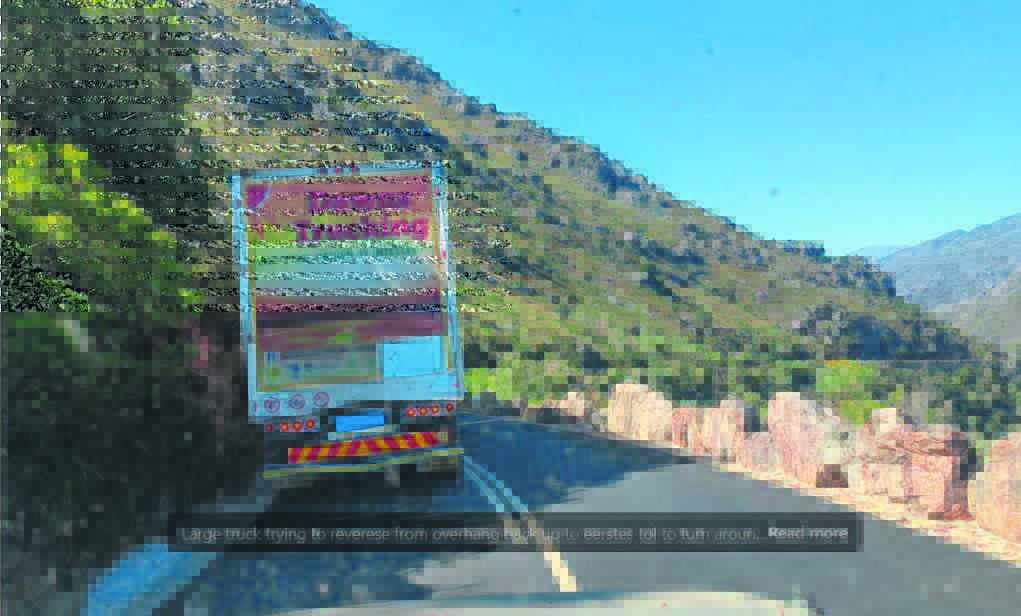
Due to the ecological sensitivity of the pass, it is not suitable for large vehicles to drive here. In the mid-2000’s chain barriers were placed at the ascent of both sides of the pass, to warn large vehicles not to pass by. But evidently this has not been a successful deterrent.