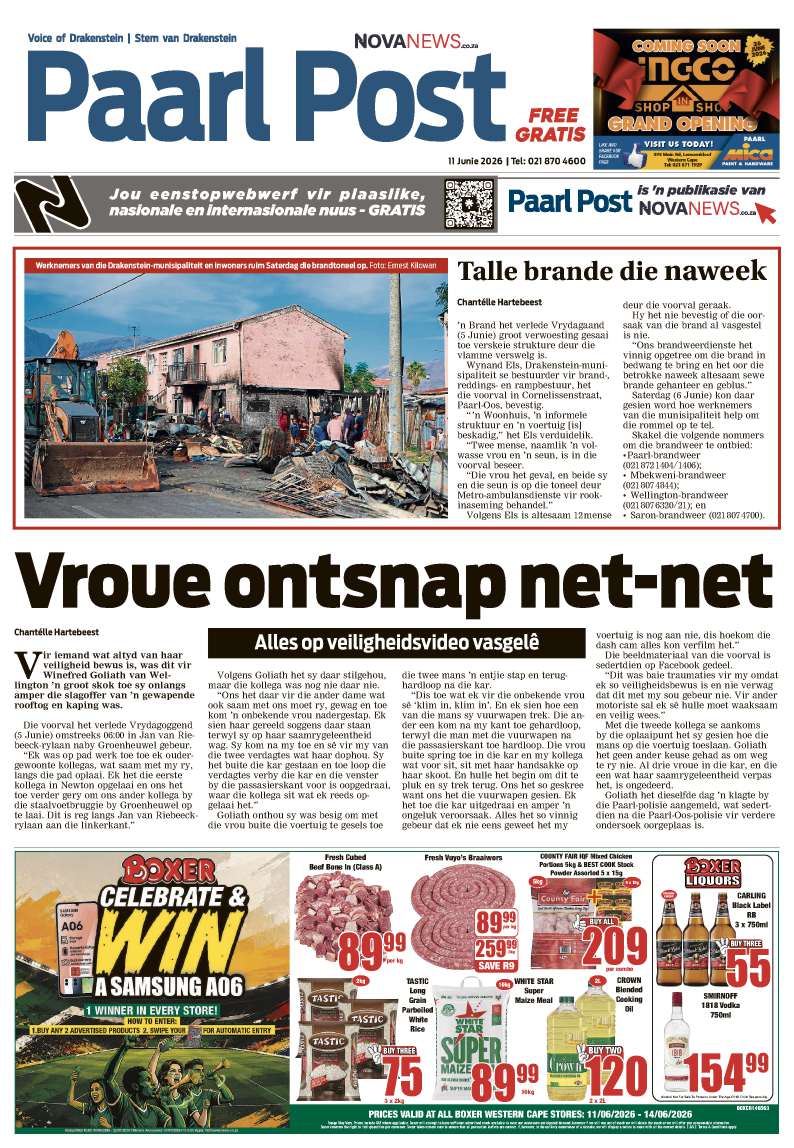
Franschhoek is internationally known for its award-winning wines, historic Cape Dutch architecture and thriving culinary scene. Nestled between mountains and vineyards about 75 km from Cape Town the town is often described as the “Valley of Dreams”.
Yet beyond the postcard-perfect landscapes lies another reality, marked by inequality, environmental challenges and informal settlements that exist alongside luxury estates and tourist attractions.
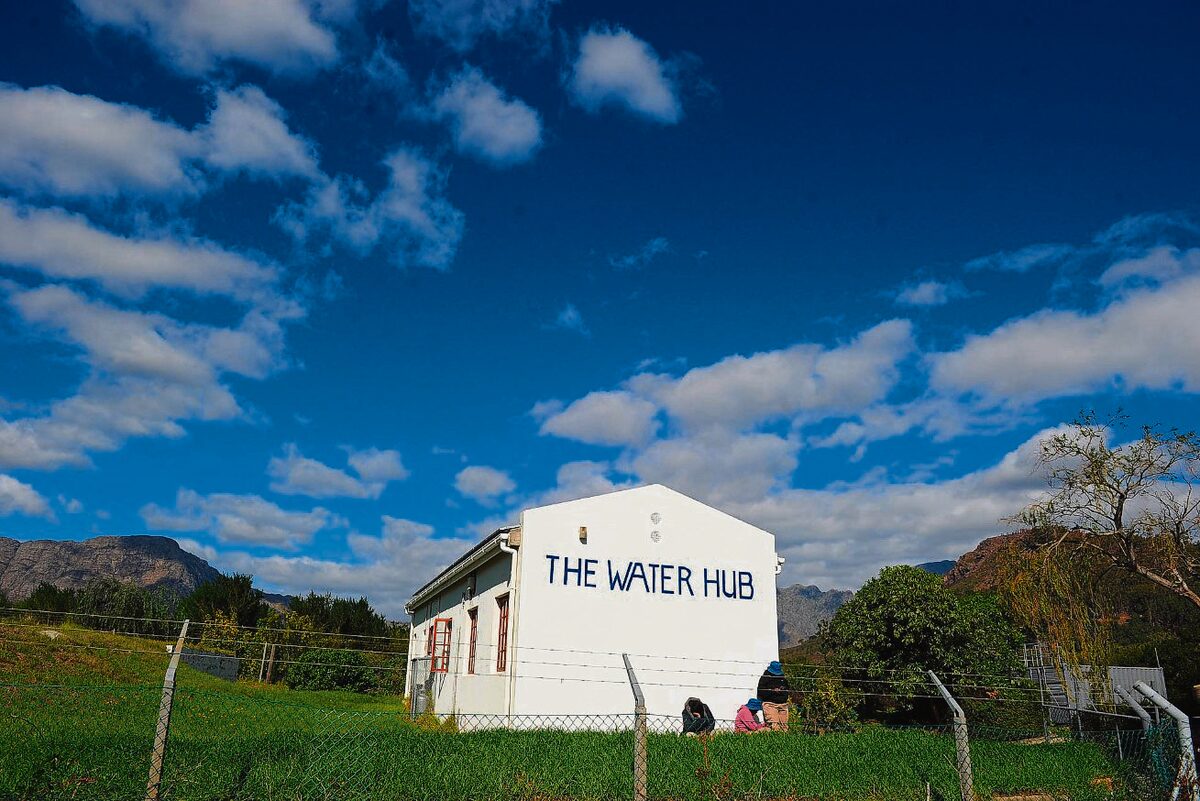
It is here that the University of Cape Town’s (UCT) Water Hub is transforming wastewater, waste and neglected spaces into a living laboratory for sustainability, innovation and social change.
Located at a former wastewater-treatment plant that stood abandoned and vandalised between 2013 and 2016, the Water Hub now serves as a research and community-development centre where water, food production and environmental restoration intersect.
“This is a research site that started out trying to clean water from an informal settlement,” said Emeritus Prof Kevin Winter, director of the hub and a researcher affiliated with UCT’s Future Water Institute in an article published by UCT.
The project emerged from a desire to find alternatives to conventional wastewater treatment methods. “We began with nature-based processes and nature-based material,” Winter said, “learning from nature, seeing how nature cleans water without adding chemicals.” Today the facility operates largely on solar power. Wastewater is treated through constructed wetlands, biofilters, stone beds, sand filtration systems and biochar before being reused to irrigate crops such as spinach, beetroot, onions and sweet potatoes.”
Waterway pollution worsening
For Winter the work extends far beyond water treatment.
“If we are going to save the planet,” he said, “we must learn how to clean water without adding more chemicals and make that water productive.”
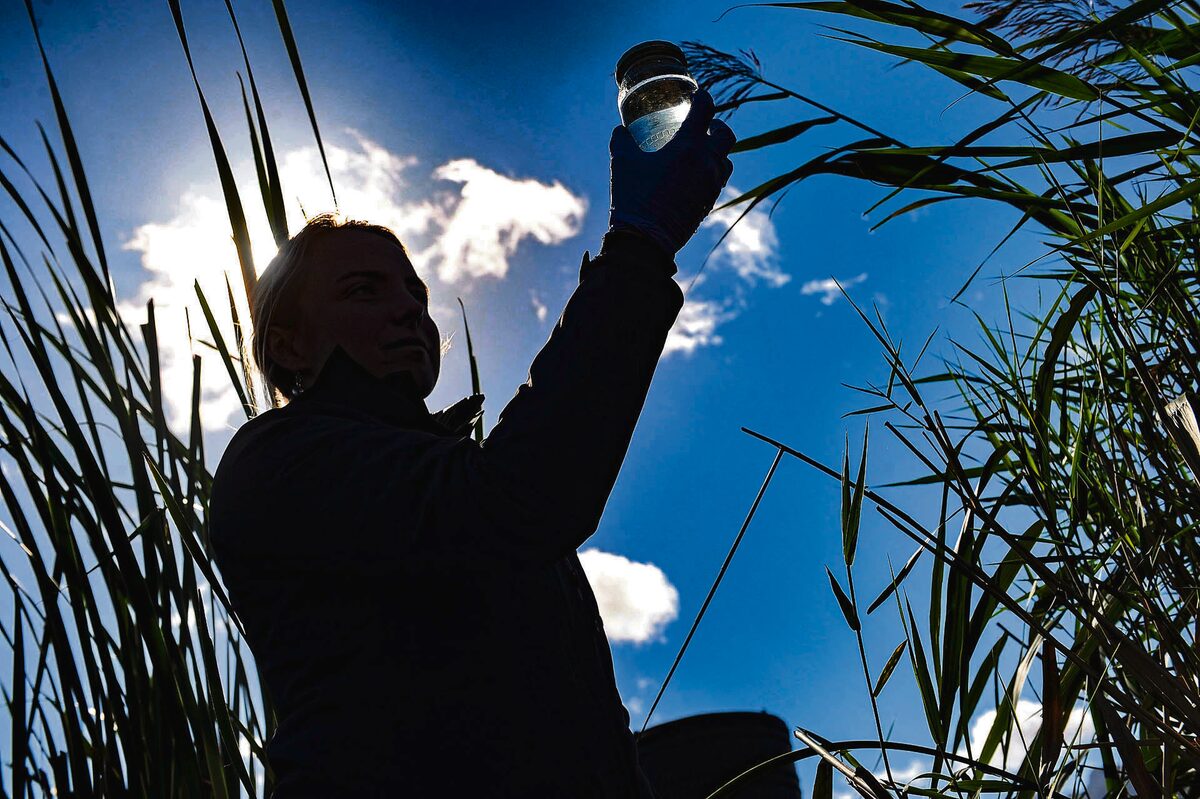
The need for such solutions has become increasingly urgent as pollution in local waterways continues to worsen.UCT PhD candidate Emily Nicklin has spent the past five years studying ecological treatment systems that rehabilitate polluted urban water sources, according to the article.
“I predominantly work on nature-based treatment systems for removing contaminants from highly polluted surface waters,” she said.
The Water Hub is located downstream from the Langrug informal settlement, where inadequate sanitation infrastructure, poor drainage and illegal dumping contribute significantly to river pollution.
“This river has been identified as highly polluted, mostly due to run-off from the informal settlement upstream,” Nicklin explained.
“Grey water, sewage and litter all enter the river system, and what we’re trying to do is treat that water so it can safely be reused, particularly for irrigation.”
Unlike conventional treatment plants, the systems at the Water Hub rely on passive ecological processes. “They don’t require chemical energy and their cost is generally lower,” said Nicklin.
“They may not replace large wastewater-treatment works, but they can complement them in decentralised ways.”
However, growing settlements and increasing pollution continue to place pressure on the system.
“We’ve seen increasing levels of E. coli in the river,” Nicklin pointed out, “which indicates more sewage entering the water system.”
As pollution levels rise researchers have been forced to modify their treatment methods continuously.
“There are thresholds that these systems can cope with,” said Nicklin.
“As pollution intensifies we’ve had to adapt and redesign aspects of the system constantly.”
The Water Hub’s work also focuses heavily on community involvement. Community activist Sbongukuhle Siyengo from Clean Health Environment NGO became concerned by the amount of waste being dumped into local rivers.
“I saw people were dumping waste into the river,” she wrote, “which attracted rats and created unhealthy living conditions. Even when the river was cleaned it would quickly become dirty again.”
Contaminated water and diseases
Concerned about children playing near contaminated water, Siyengo began cleaning sections of the river herself. Volunteers soon joined her efforts and neglected areas were transformed into a small community park.
“Many people suffer from illnesses such as TB because of the environment they live in. Children often walk barefoot and are exposed to infectious diseases. This is why I started involving children in the project, so people who dump waste could see, through the children, that the area deserves to be clean and safe.”
The project also provides practical training opportunities for young people. One participant, Sanele Luwata, said she had gained valuable agricultural skills through the programme. “When we started, it was just open land with no garden beds. We added compost, sand and biochar to prepare the soil for planting.”
The vegetable gardens form part of a broader vision to create a circular local economy where treated water supports food production and organic waste is converted into compost or biogas.
ALSO READ: Dam levels surge to 71 % in May
“This is a hungry nation in a water-scarce environment,” Winter said.
“Food is going to become the most important part of a household budget.”