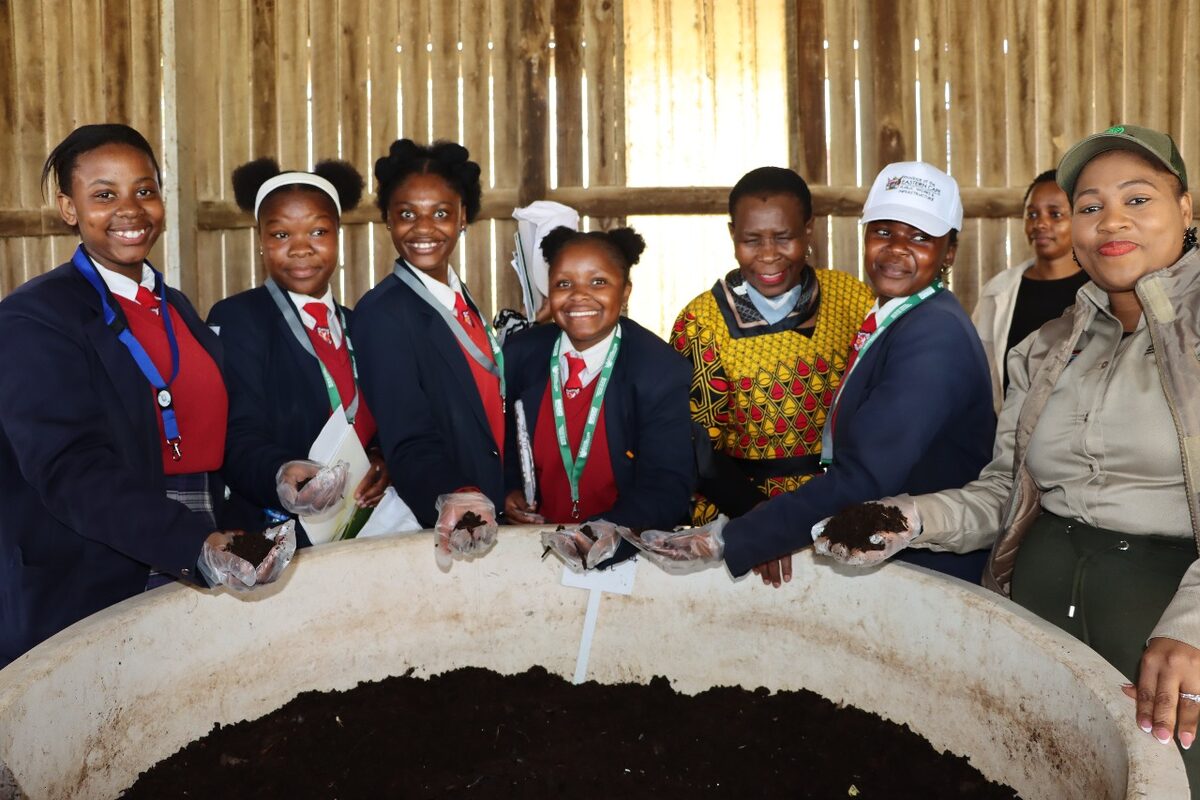
A platform for knowledge exchange among researchers, farmers, students, and stakeholders was hosted by the Department of Agriculture at the Dohne Agricultural Research Institute in Stutterheim on 18 September. Under the theme “Promoting Food and Nutrition Security Through Climate-Smart Technologies,” the open day aimed to foster innovation and promote research-based recommendations.
From live demonstrations in animal production, crop management, and horticulture technologies to the use of drones, hydroponic systems, and the exhibition of the Livestock Improvement Scheme (LIS), the event provided attendees with diverse insights into the agricultural sector. The day offered an opportunity to explore cutting-edge techniques and practical tools designed to bolster food security and sustainability.
Speaking at the event, the MEC for the Department of Agriculture, Nonceba Kontsiwe, underlined the importance of agriculture as a cornerstone of the country’s economy. “We host this event against the backdrop of complex challenges, including global and political tensions, export uncertainty, food security issues, and climate change challenges,” she said. “However, we must not be deterred. What is critical at this stage is how we respond to these challenges. We ought to remain committed to our vision: ‘A thriving, sustainable agriculture and agro-processing value chain, driving inclusive economic growth and food security for all.’”
The Dohne Agricultural Research Institute plays a vital role in developing research-driven innovations with a focus on animal, crop, and pasture research. It supports smallholder farmers through free soil, water, and feed analysis, helping them make informed decisions to improve yields and sustainability. The innovative research and technologies developed at the institute are broadly shared with farmers, scientists, and stakeholders, strengthening agriculture across the Eastern Cape and beyond.
The institute opened its doors to the public during the event, allowing attendees to gain a first-hand understanding of agricultural advancements. Nonkululeko Mendwana, a 27-year-old mixed farmer, expressed her gratitude for the sessions. “I had issues with my soil, which wasn’t producing as it should. Now, I plan to bring samples to Dohne for testing so I can identify the problem,” she said. Mendwana described the event as incredibly informative and intends to maintain contact with the institute.