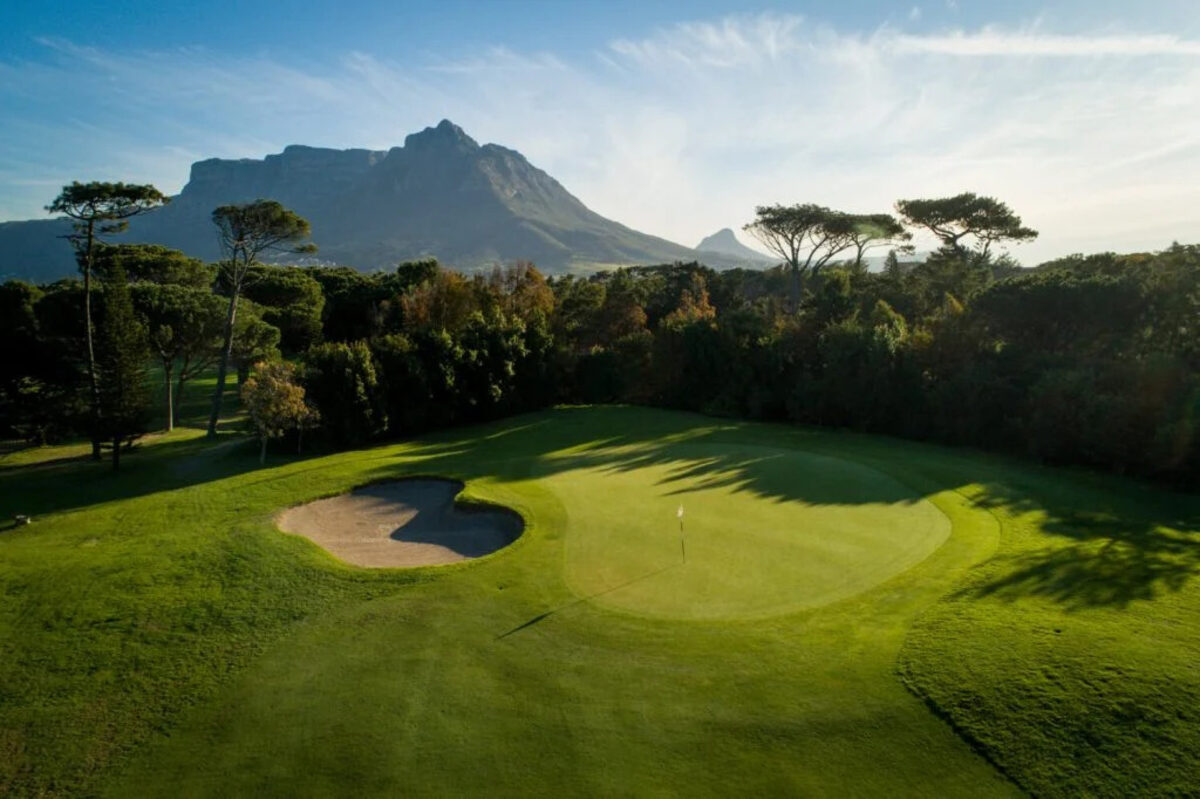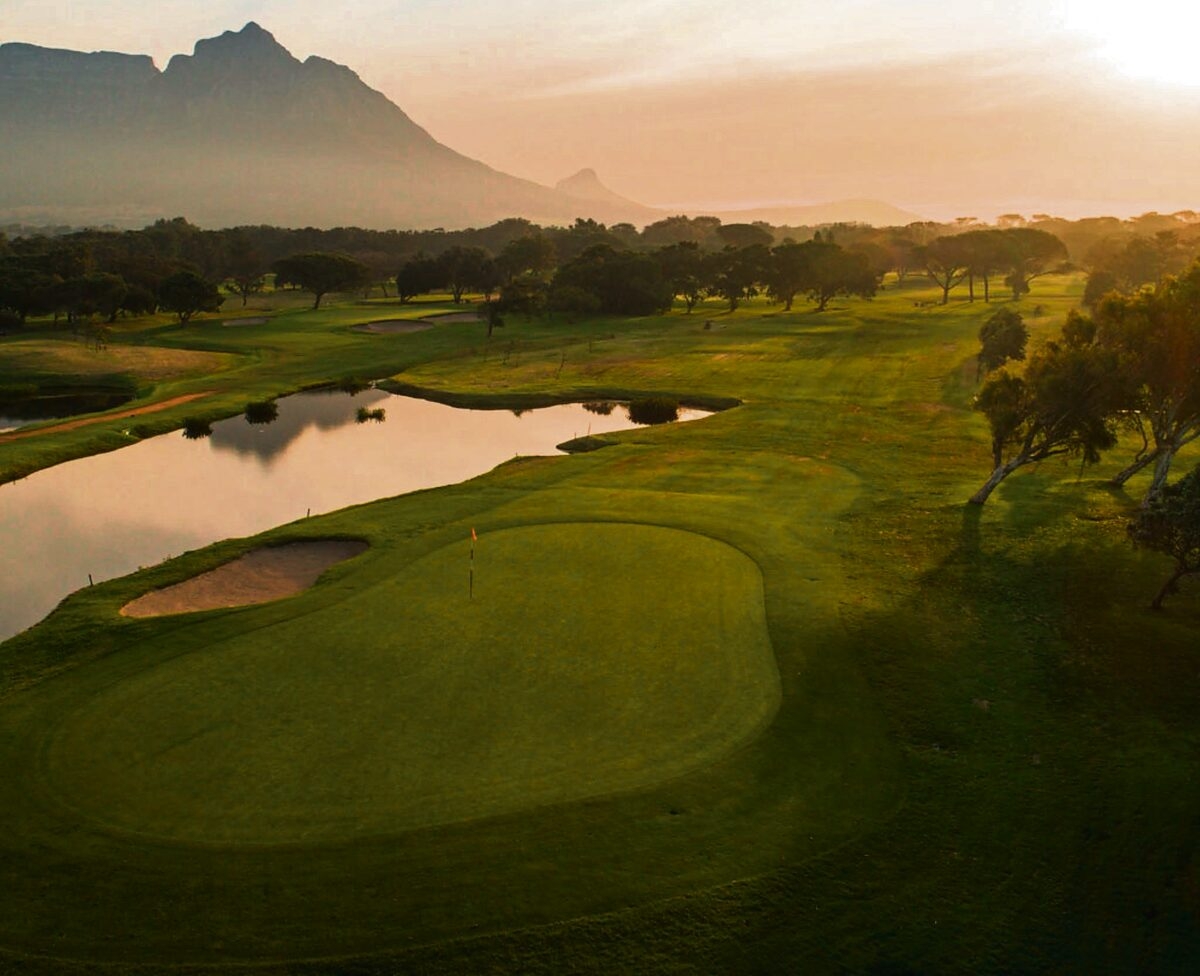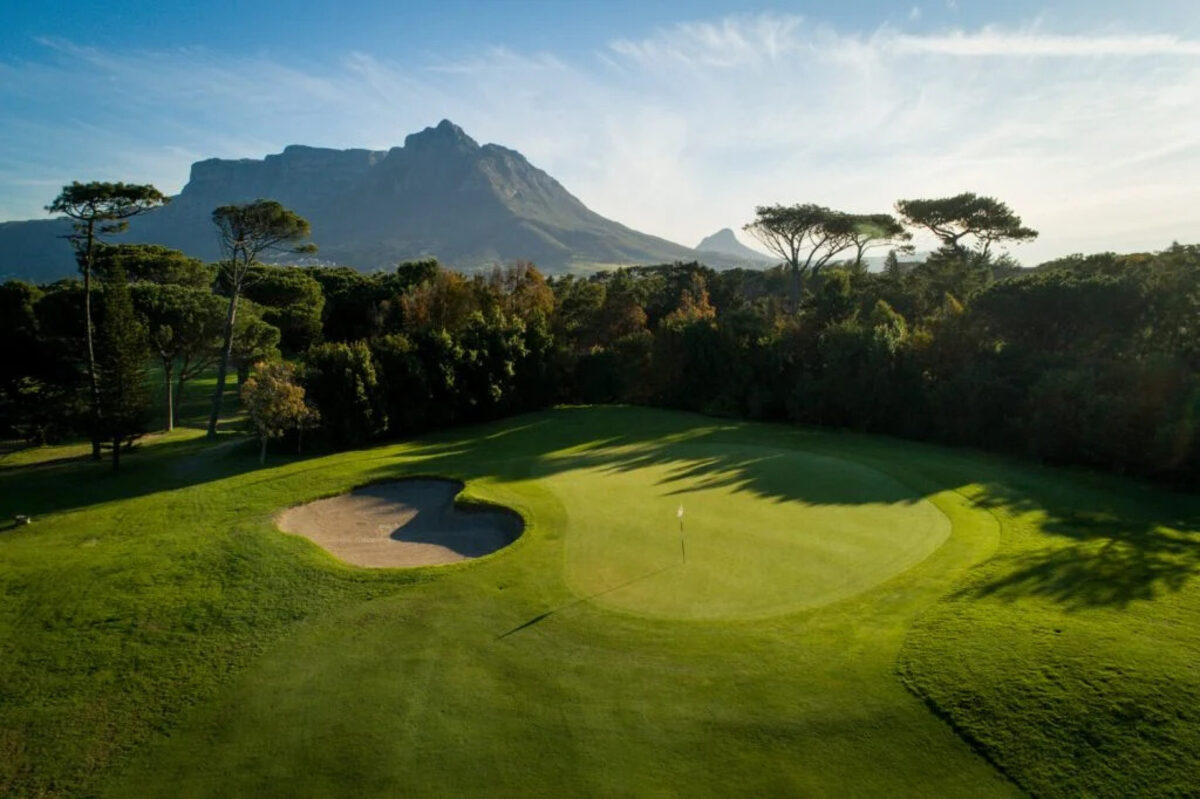
Heritage Western Cape (HWC) requires a Heritage Impact Assessment (HIA) for the proposed Mowbray Golf Course development in Mowbray.
According to the South African Heritage Resources Information System (SAHRIS), the provincial heritage authority issued its response to a Notification of Intent to Develop on Monday 13 October last year, under Section 38 of the National Heritage Resources Act.
The response requires the assessment to include three specialist studies: a social historical study, a cultural landscape assessment and a visual impact assessment.
Section 38 of the Act requires a heritage assessment when a development exceeds certain thresholds or affects land of potential heritage significance.
Environmental consultancy Infinity Environmental submitted the notification on behalf of the City on Monday 6 and Thursday 9 October last year, according to the SAHRIS case record.
A multidisciplinary team has been conducting baseline investigations on the site since February last year, according to the project’s information document prepared by Infinity Environmental.
The City is exploring a mixed-use development on the 200-hectare site, which includes the golf course, sports fields and surrounding City-owned land. The proposal includes residential units, commercial space, schools and recreational facilities.
The City says it has not applied for formal development rights and has not granted any. The current phase aims to inform the concept design.
ALSO READ: King David Mowbray Golf Club development: comment deadline extended to 7 August
Public participation runs ahead of assessment
The City opened its voluntary public participation process on the draft development concept on Thursday 28 May. Subsequently, it extended the comment deadline to Friday 7 August.
City spokesperson Luthando Tyhalibongo says the current process is a voluntary, non-statutory public engagement on the draft concept design, run ahead of the HIA’s finalisation.
‘This allows for broader input at a stage when the design and assessment can still be shaped by it, rather than only presenting a finalised HIA for comment once its scope for revision is more limited,’ Tyhalibongo says.
A further statutory public participation process will follow once the City confirms the concept design, he says. This will give the public the opportunity to comment on the HIA and all other technical assessments.
Related but distinct processes
The public participation, land disposal and heritage assessment are related but distinct processes running broadly in parallel, Tyhalibongo says.
The statutory public participation that the Municipal Asset Transfer Regulations (MATR) require for the land disposal has already taken place. Its comment period closed on 6 July.
The current voluntary process relates specifically to the draft development concept and proposed uses. Meanwhile, the team is finalising the HIA alongside these processes.
Assessment not yet complete
The team has not yet completed the HIA, Tyhalibongo says. The City will finalise it once it has considered comments on the draft concept design, so the team can incorporate any resulting changes before finalising the assessment.
All things constant, Tyhalibongo expects the City to publish the assessment for public comment later this year. The SAHRIS case record does not indicate a submitted report.
No archaeological study
HWC did not include an archaeological study in the specialist scope for the HIA, Tyhalibongo says. Therefore, the City has not made any appointment for this component.
The scope, which HWC set, comprises a social historical study, a cultural landscape assessment and a visual impact assessment. In addition, the City has not sought separate preliminary archaeological advice beyond HWC’s determination.
Heritage findings may shape design
The design process remains ongoing, Tyhalibongo says. The project team will consider any findings from the HIA, including the identification of significant heritage resources, and respond to them appropriately.
‘This may include revisions to the development concept,’ he says.
The HIA requires public consultation. Applicants must notify local authorities and registered conservation bodies. They must make copies of the report available for public review. The final report must address all comments and objections before HWC reviews it. People’s Post has contacted HWC. The City says it welcomes further engagement once it has published the HIA for public comment.