

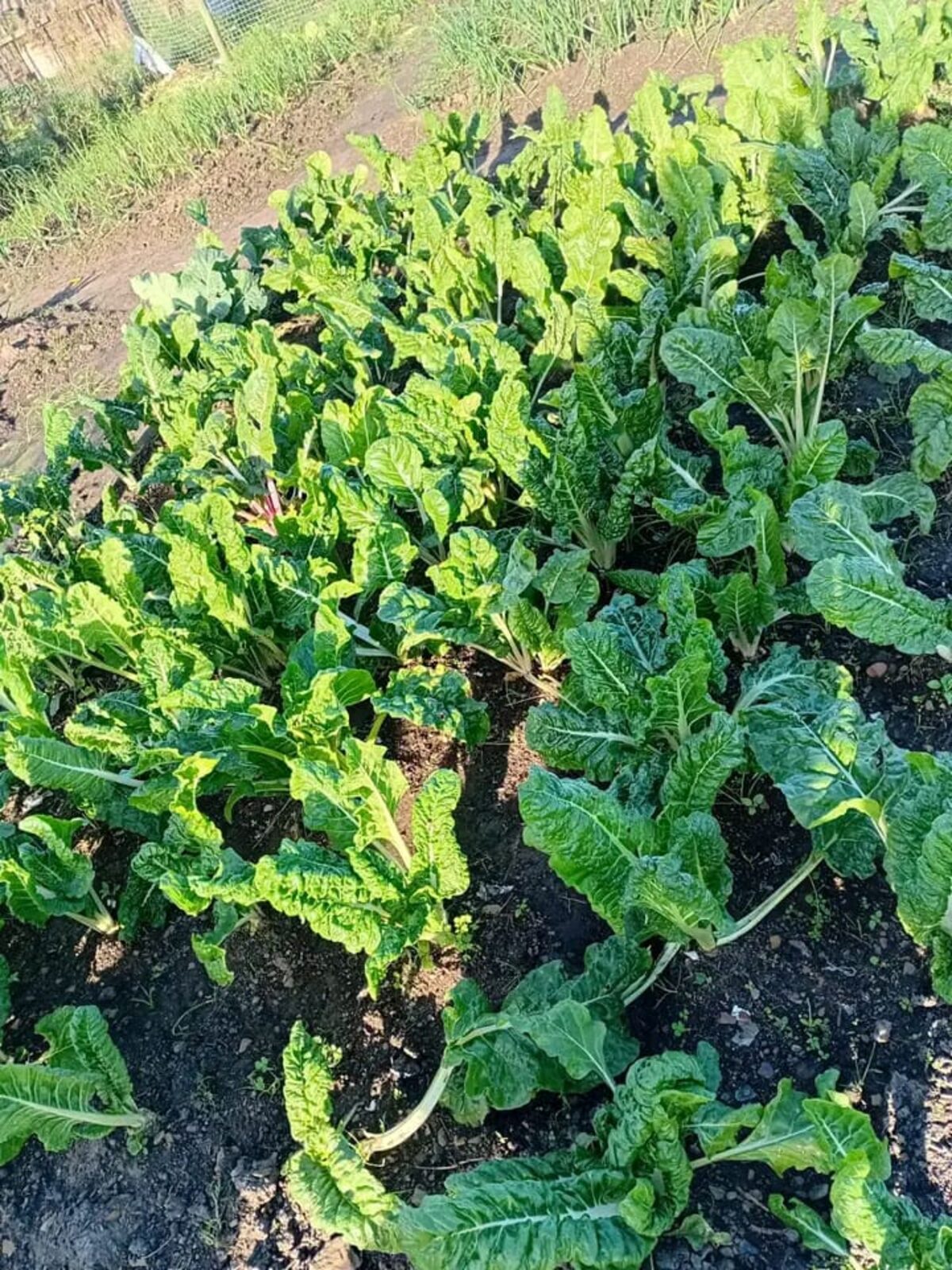
JEFFREYS BAY – A vegetable garden initiative in Ocean View is giving young people practical agricultural skills while promoting food security, economic empowerment and community development.
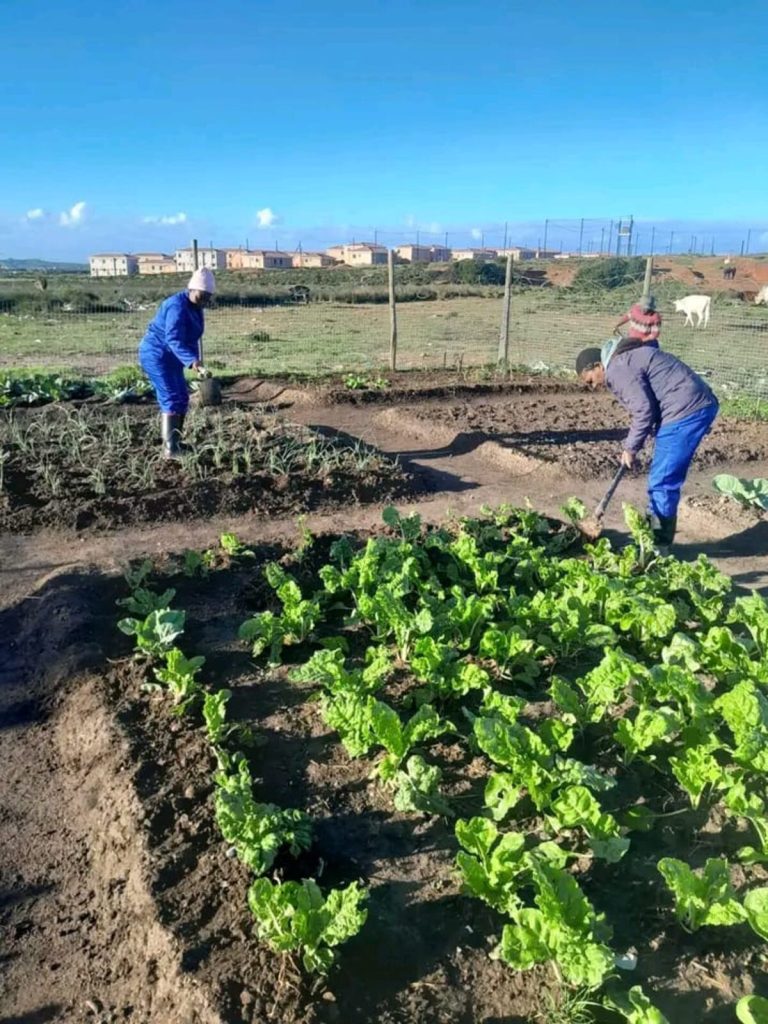
garden project. PHOTO: Supplied
The initiative, established by Abancedi Community Development Centre founder, Sakhekile Mbili, began in January 2024 after he noticed that land at Ebumnyameni Informal Settlement was being used as a dumping site.
Instead of allowing the situation to continue, Mbili approached Kouga Local Municipality for permission to transform the land into a productive vegetable garden.
“The vision was to create a space that could contribute to food security, fight poverty and inequality, and bring positive change to the community,” said Mbili.
Garden provides practical agricultural training
He said the garden forms part of the “God’s Farming” training programme, which aims to equip young people with agricultural knowledge and skills while encouraging them to view farming as an opportunity for personal development, food security and economic empowerment.
Mbili said “God’s Farming” forms part of the Abancedi Community Development Centre, while the training itself is offered through the Adopt-a-Village South Africa community transformation programme, which consists of four quarterly training modules focusing on discipleship, community development, and the care of orphaned and vulnerable children.
He said involving young people in the training was important because they represent the future of their communities.
“We wanted to give the participants from Adopt-a-Village an opportunity to gain practical skills that they can use in their own lives, and that could potentially lead to future livelihood opportunities,” said Mbili.
Youth learn vegetable production skills
He said participants were introduced to various aspects of vegetable production, including soil preparation, creating planting beds, planting seedlings, caring for crops, watering and garden maintenance.
The training also allowed participants to learn through hands-on participation rather than only receiving information in a classroom.
Mbili said the hope was that the skills would give young people the confidence and ability to grow their own food, start small gardens at home or participate in community agricultural projects.
“In the long term, these skills could also open doors to entrepreneurship, employment and other opportunities within the agricultural sector,” said Mbili.
Programme promotes sustainable agriculture
He said sustainable agriculture was also central to the programme, with participants encouraged to understand how to use land, water and other resources responsibly while producing healthy food.
“Sustainability is important because we are not only farming for today; we are building something that can benefit future generations,” said Mbili.
Further elaborating on the “God’s Farming” initiative, Abancedi Community Development Centre administrator, Mziyanda Resha, said it connects agriculture, faith and community development.
“The name ‘God’s Farming’ reflects our belief that farming can be both a practical activity and an opportunity to serve others,” said Resha.
He said land and resources available to the community should be used responsibly to help people.
Resha said through farming, they can produce food, support vulnerable community members, teach young people valuable skills and bring people together around a common purpose.
Farming supports food security and livelihoods
He said many young people face challenges, including limited access to training, equipment, land and economic opportunities.
“There is also a need for more programmes that expose young people to skills that can lead to self-employment and entrepreneurship,” said Resha.
He said vegetable gardening can also contribute to food security by increasing access to fresh and nutritious vegetables.
“It can help vulnerable households access affordable food and, where production allows, create opportunities for community members to buy fresh produce at reasonable prices,” said Resha.
He said the organisation’s vision was to continue expanding the garden and create more opportunities for agricultural training.
Resha said they would like to reach more young people and community members and introduce additional areas such as recycling, food production, entrepreneurship and other community-development activities.
He said they also hope to strengthen partnerships with organisations, businesses and government departments that can support the expansion of the programme.
Organisation plans to expand initiative
Resha said the response from young people had so far been positive, with participants showing interest and enthusiasm during the training.
He said seeing the young people engage directly with the soil, seedlings and crops was encouraging.
Resha said they believe that community development starts when people identify challenges and work together to create solutions.
“What started with the transformation of an informal dumping site into a vegetable garden has grown into a broader vision of food security, skills development, youth empowerment and community upliftment” said Resha.
He said they encourage young people and community members to view agriculture not only as a way of producing food, but also as an opportunity to create livelihoods, develop skills and make a positive difference in their communities.
ALSO READ: Thornhill’s Maria Pennacchini named StrongHer 2026 winner



You must be logged in to post a comment.