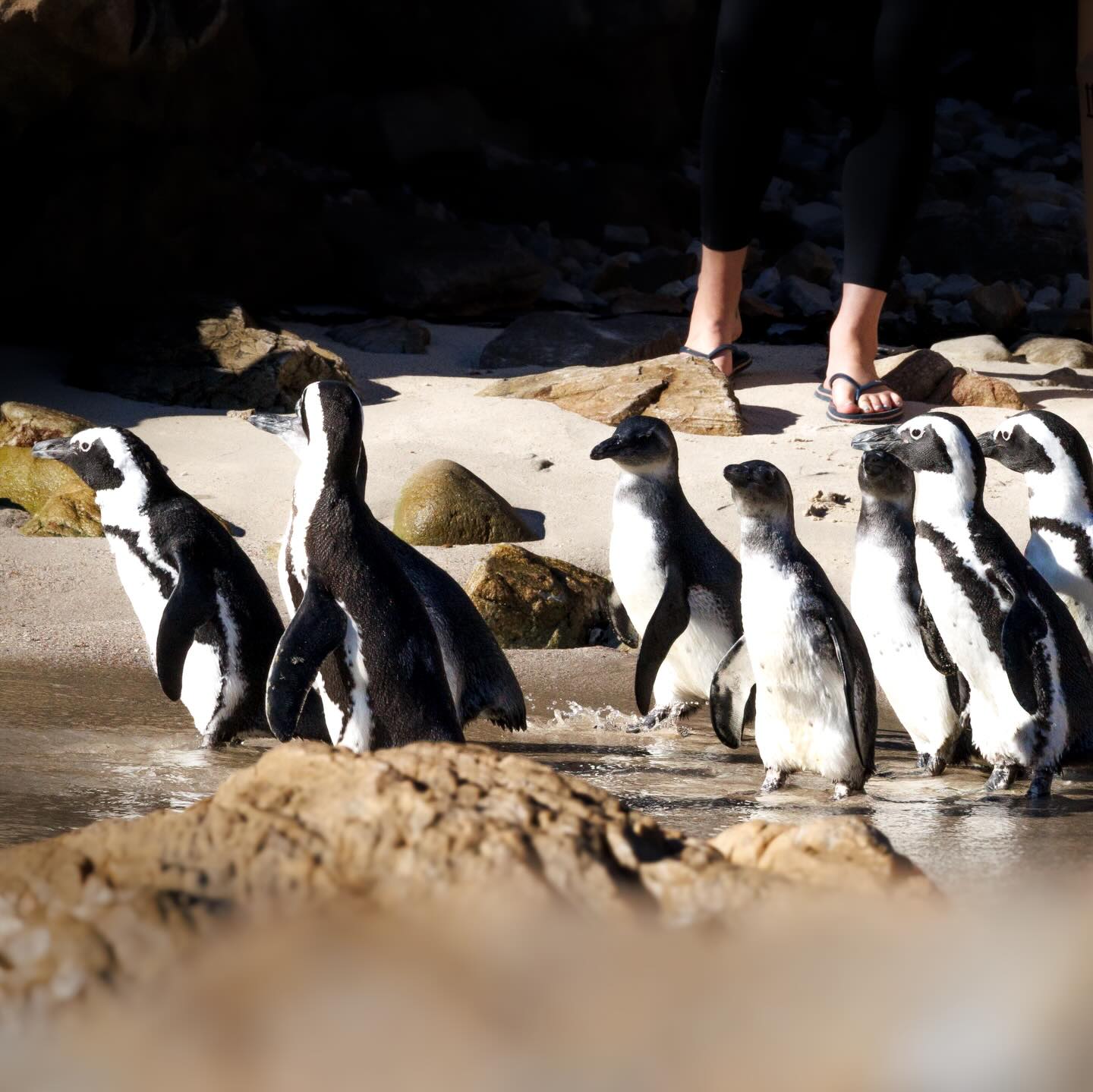

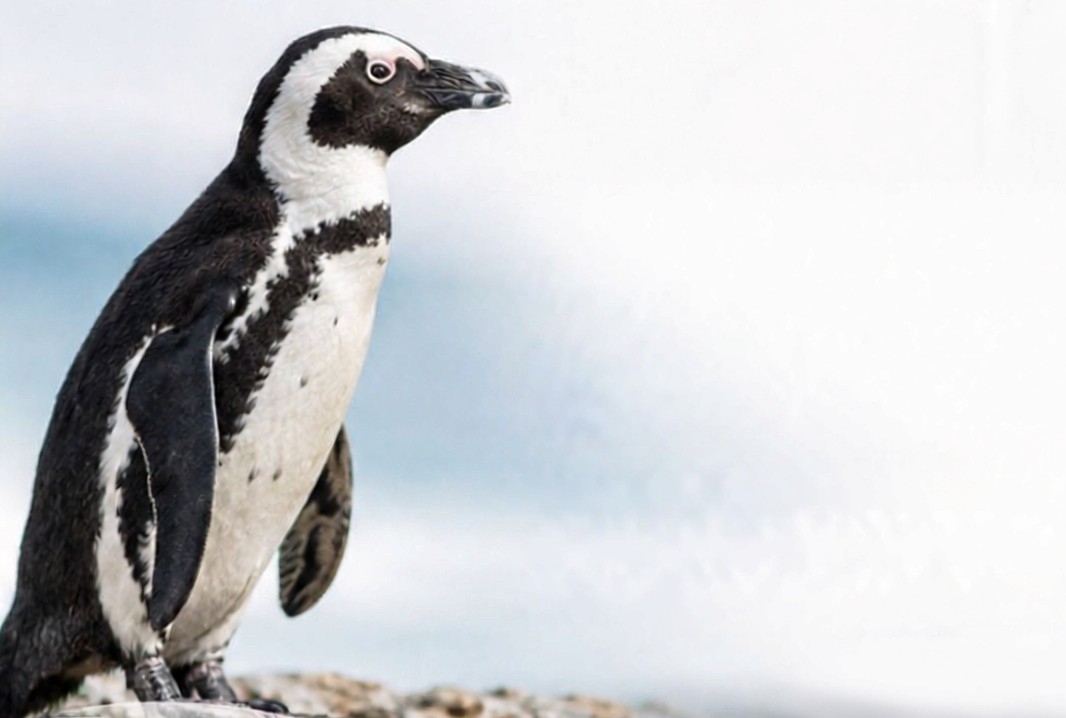
ST FRANCIS BAY – A presentation on saving seabirds and the vital role played by the Southern African Foundation for the Conservation of Coastal Birds (SANCCOB) in marine bird conservation was held at the Heritage Centre in St Francis Bay on 25 July.
The event featured two presentations: an Eco-Kids programme, where children explored African penguin conservation through interactive activities, and an adult presentation aimed at providing insight into the challenges seabirds face and how SANCCOB is working to make a difference.
The Eco-Kids programme was coordinated by Cheryl Douglas, co-ordinator of the Kromme River Enviro Trust’s Ecokids.
Douglas said the Kromme River Enviro Trust runs Ecokids for children aged between four and 10 years to encourage environmental awareness.
“We meet approximately six times per year and also take part in the beach clean-ups run by the Enviro Trust. This year, we have been on a beach walk to look for shells and explain their role in the environment, explored rock pools, and made muffins and planted seeds as part of healthy eating and understanding where our food comes from,” said Douglas.
On 25 July SANCCOB educator, Sinovuyo Molten, interacted with about 17 children during the Eco-Kids presentation.
Douglas said the children enjoyed Molten’s engaging manner as he shared information about seabird conservation in short, bite-sized pieces.
“He explained that African penguins are likely to become extinct within 9 years as there are only 8,000 remaining,” said Douglas.
She added that African penguins only eat sardines, anchovies and squid, and that changes affecting these food sources impact their chances of survival.
“Plastic pollution affects penguins and other seabirds, including oystercatchers and cormorants,” said Douglas.
Molten also brought stuffed birds for the children to touch and explained how seabirds preen themselves to make their feathers waterproof.
The adult presentation was coordinated by Chrissie Johnson from the Rotary Club of St Francis.
Johnson said the adult presentation had a poor attendance, with only 10 people attending.
“Fortunately, those who attended enjoyed the presentation given by Sinovuyo and were able to learn about the challenges faced by the African penguin population,” said Johnson.
She said greater awareness of the situation was needed because African penguins are under real threat.
“It is great that there were kids at the kids’ presentation, but it is equally important that adults learn about the penguins as well,” said Johnson.
Molten, an educator at SANCCOB in Gqeberha, said the children’s programme focused on teaching them about African penguins and their population decline.
He added that he provided information on how the children could help African penguins.
Molten said he shared information about the penguins cared for at SANCCOB, as well as other seabird species facing conservation challenges and the risk of endangerment.
He said the adult presentation was similar to the children’s programme but focused more on how people could assist the penguins at SANCCOB.
“The African penguin population is declining rapidly and could be extinct by 2035,” said Molten.
He said that in the 1930s, the African penguin population was over two million, while today there are fewer than 10,000 in South Africa and Namibia. Molten said more detailed information was available on the International Union for Conservation of Nature (IUCN) website.
He said one of the major reasons for the decline was a lack of food, as African penguins follow a specific diet, as well as pollution and predation by seals. “Research shows that in 2004 and 2011, over 60,000 African penguins died of starvation, which indicated that the lack of food is a major concern,” said Molten.
He said SANCCOB’s mission includes spreading awareness about African penguins through outreach programmes at schools and in communities.
“To assist African penguins, we encourage people to make good environmental choices, join beach clean-up campaigns and volunteer at SANCCOB’s centre in Gqeberha,” said Molten.
“There are small actions that people often overlook but could make a big difference.”
ALSO READ: Gqeberha SANCCOB responds to surge in abandoned penguin chicks