
KOUGA – Kouga farmers affected by the May floods and the ongoing foot-and-mouth disease (FMD) outbreak raised concerns directly with Agriculture Minister Willie Aucamp during his visit to Humansdorp and Patensie on 18 September.
The visit, hosted by Kouga Local Municipality, focused on the impact of the severe May weather and flooding on farmers in the area, as well as the national response to the FMD outbreak.
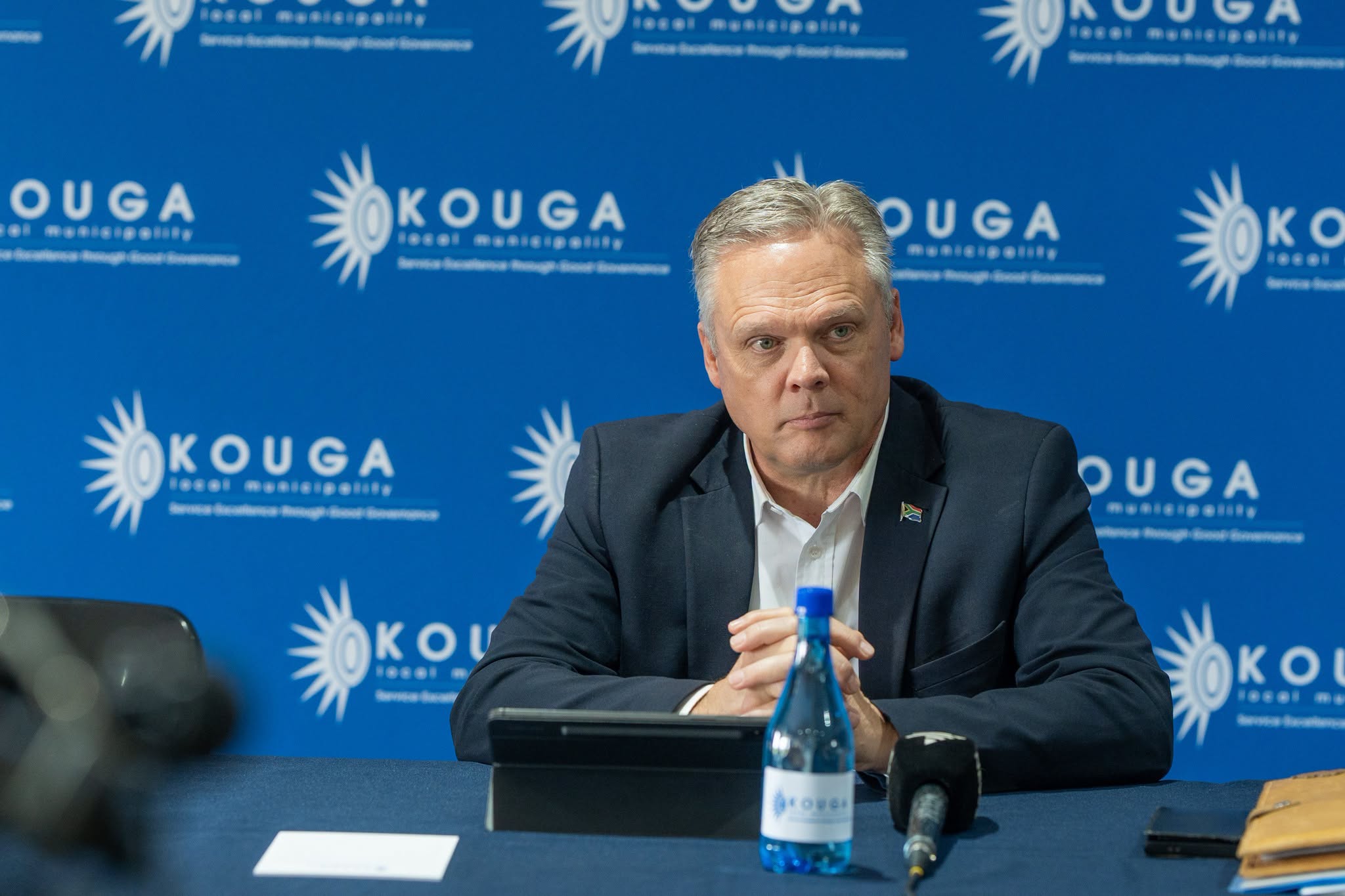
Aucamp engaged with farmers and local stakeholders on the challenges facing the agricultural sector, while Kouga Executive Mayor Hattingh Bornman welcomed the opportunity for farmers to engage directly with national government.
Farmers raise concerns with minister
According to a statement by the municipality, Bornman highlighted the vital contribution made by farmers to the local and regional economy, noting that agriculture was not only about production, but also about sustaining livelihoods, creating employment and contributing to the broader economic wellbeing of communities.
“Farmers play a key role in growing our economy. We want to thank all our farmers for the work they do, and for their continued contribution to the Kouga economy,” said Bornman.
He welcomed the opportunity for the municipality to host the minister and for farmers to raise their concerns directly with the national Department of Agriculture.
“We appreciate the minister taking the time to come to Kouga, to listen to our farmers and to see first-hand some of the challenges they are facing,” said Bornman.
Assessing the impact of May floods
The visit provided an opportunity to assess the damage caused by the severe weather experienced in May and to discuss the support required by affected farmers as they worked towards recovery and the new production season.
According to the statement, more than 10% of the citrus crop in the Gamtoos Valley was damaged in May after the Gamtoos River burst its banks.
The statement indicated that the Kouga area had subsequently been classified as part of the disaster following the severe weather and flooding.
The distinction between a disaster classification and a declaration of a state of disaster was highlighted during the engagement.
Calls for further disaster support
The statement said a classification formally recognises that a disaster exists and establishes responsibility for coordinating and managing the response.
It does not, however, amount to a declaration of a state of disaster.
Under South Africa’s disaster-management framework, a declaration can activate extraordinary measures and may facilitate the mobilisation of additional resources, including funding, where required.
The statement said Aucamp also indicated that he had met with the Eastern Cape Department of Agriculture to discuss the provincial assessment of the flood impact.
He undertook to engage with the Minister of Cooperative Governance and Traditional Affairs (CoGTA), Velenkosini Hlabisa, on the matter, with a view to having the situation in the affected area considered for a declaration of a state of disaster, rather than remaining only under disaster classification.
The statement said this was intended to strengthen the support mechanisms available to affected communities and farmers as they continued with recovery efforts.
Government response to FMD
Part of the engagements focused on the national foot-and-mouth disease outbreak.
The statement said Aucamp gave farmers and stakeholders an update on the government’s response to the FMD outbreak and discussed measures being taken to manage and curb the spread of the disease.
He emphasised that government could not manage the outbreak on its own.
“With regard to FMD, we have to work together. This is the largest outbreak of FMD ever. We learn as we go along and find solutions together,” said Aucamp.
Farmers urged to vaccinate cattle
The statement said South Africa’s FMD outbreak had been classified as a national disaster in February 2026, with the national response involving coordination across government and engagement with affected stakeholders.
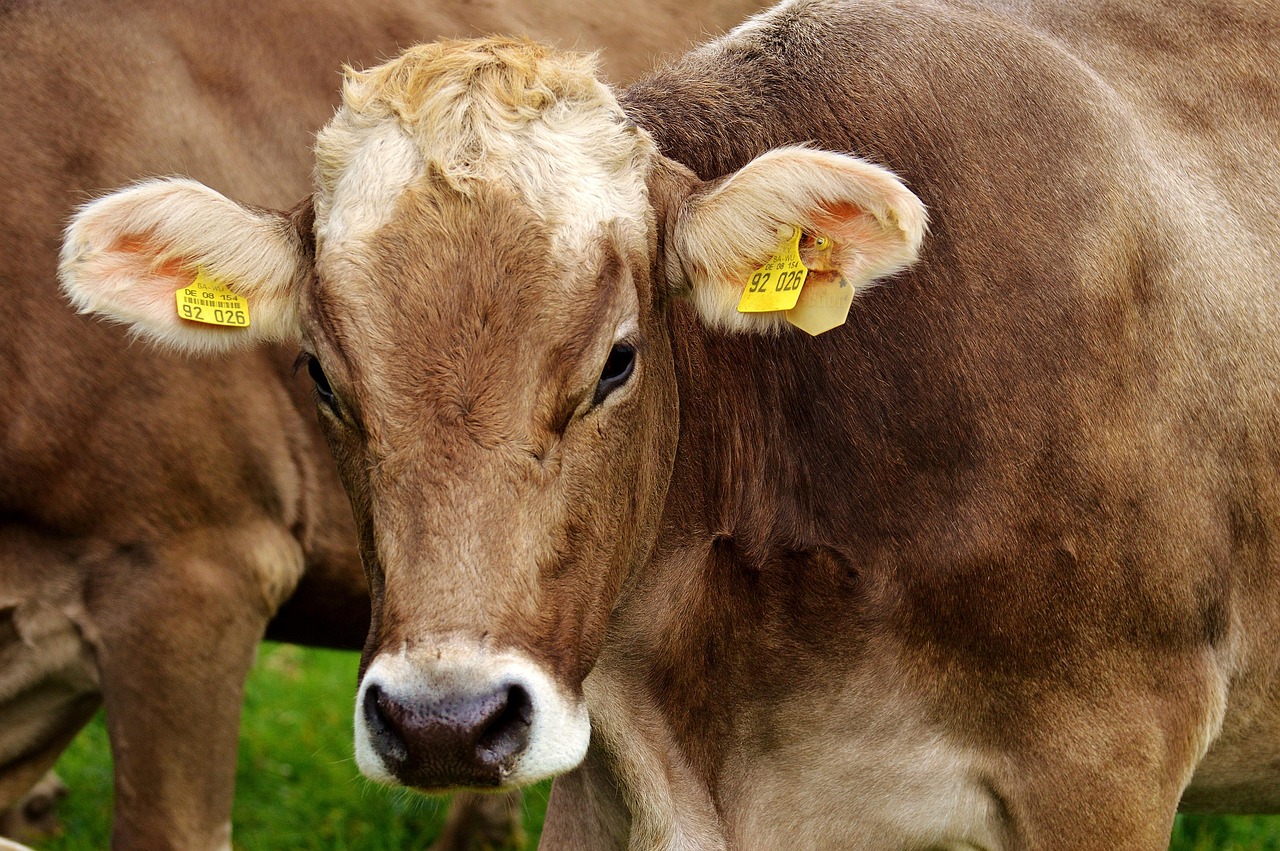
Aucamp encouraged farmers to vaccinate their cattle as part of measures to protect herds and assist in managing the spread of the disease.
“Vaccines are insurance for your herds. Government will keep on vaccinating where there are new outbreaks and help where it is not affordable for some farmers,” said Aucamp.
The statement said the minister’s message was that managing FMD required cooperation between government, farmers, industry and other stakeholders: “We are in it together.”
ALSO READ: Sardine mortality: precautionary fishing limits remain in place