

SHELL, shells and more shells.
One of the largest of its kind in South Africa, the Jeffreys Bay Shell Museum showcases more than 600 species of shells and fossils from around the world – attracting shell-lovers from all over.
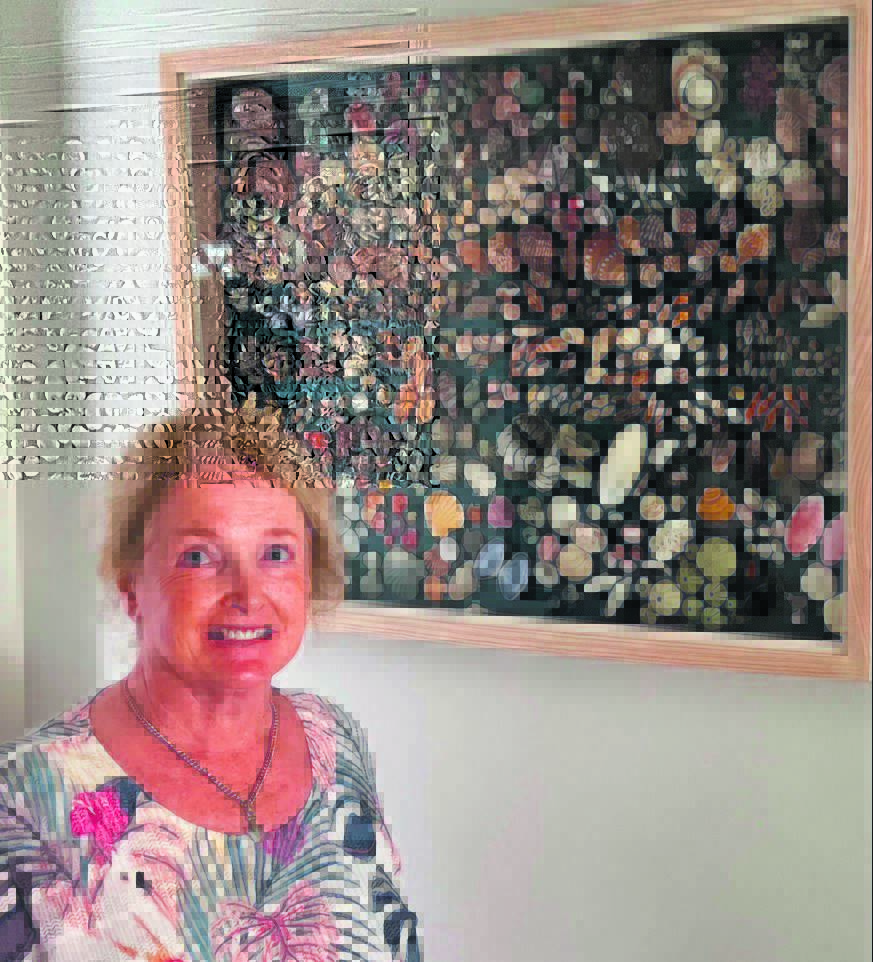
The specimens are part of the collection of local resident, Charlotte Kritzinger, who dedicated many years to collecting shells. Adding to the collection, is a donation of shells weighing almost 40kg by Bayworld’s Port Elizabeth Museum – expanding the aesthetic, educational and interest value for local residents, learners and tourists to the museum.
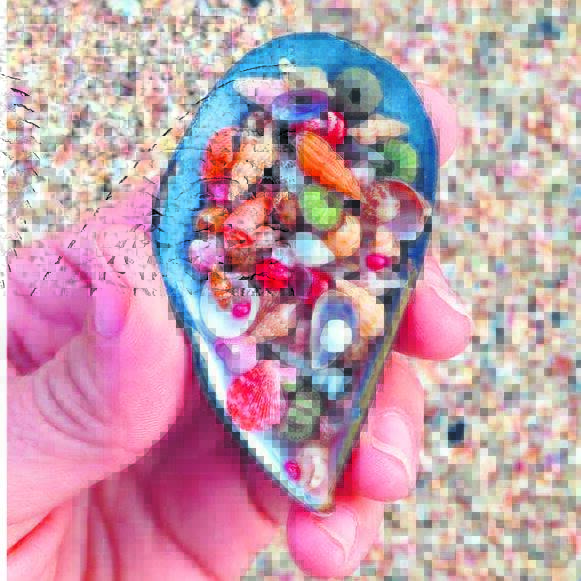
Add to this a unique collection of 80 Jeffreys Bay micro shells, donated by Philip Steenkamp and Tana Kruger in December 2019. Some 80 more will be added to the display in the near future.
Each of the displayed specimens is accompanied by information in English and Afrikaans about its family, habitat and feeding habit.
Another highlight of the museum, which is not a seashell, is a rare pearl found on the coast of Jeffreys Bay.
She sells sea shells
“There are spectacularly large amounts of shells here,” says Petro Meyer, the Treasurer of the Humansdorp Museum Association (HMA), under which the shell museum falls. “There is the legendary cowrie, the rare paper nautilus, tiny baby jam tarts, a new species of cone and the rare volute.”
Nestled in their glass box the cowries remind me of a child’s marble collection. Each oblong shell has the same basic shape: a rounded, impossibly smooth top and a flat bottom with a slit-like opening in the centre. The smallest is no bigger than my thumbnail, with brown speckles dotting its slick surface.


The largest is as big as my palm. It has a lovely orange hue edged with fine purple teeth. They are spectacular, like nature’s gems.
Meyer points to a small, spike-covered white shell that I had just learned is a bivalve – two halves hinged with a strong, flexible ligament.
“And here is the venus flower basket sponge, also known as the eternal marriage,” she says.
“When the sponge starts to grow, shrimp larvae are sucked inside where they grow and eventually kill each other until only one male and one female is left. When they breed, their larvae can escape, while they are trapped for life – a symbol of eternal marriage.”
And this beautiful shell?
Meyer smiles, “It is a pansy shell – the birth and death of Jesus can be found in this lovely shell.
“If you look closely, you can see four nail holes and a fifth one made by a Roman spear. On one side is the Easter lily; its centre is the star that appeared to the shepherds, while the Christmas poinsettia etched on the other side reminds us of His birthday.”
Also to be found at the museum are urchins, violet shells, guinea fowls, tulips, elephant tusks, wine tendrils, owls and scallops.
Not to forget about the plough shells coral, sea stars, sea horses and cuttlebones.
There is more
The museum also houses some other interesting artifacts: information about the local fishermen and history of the town, as well as KhoiSan artifacts (bow and arrow, fire sticks, spear, ostrich shell beads, apron made from animal skin, quiver and a loincloth made out of 3 000 ostrich eggshell beads).

It furthermore boasts artifacts from shipwrecks in the area: oriental porcelain shards, candles salvaged from the Lyngenfjord in 1938, a book with signatures of the crew members of the Lyngenfjord, a deer horn from the Queen of the West, marlin spikes and rope.
Visitors can also learn more about whales, sharks, turtles and the white gold of the sea.
Meyer says, “We are excited to welcome visitors in for an experience unlike ever before at the museum. People of all ages will be surprised, delighted and inspired by the more than 600 different species of shells – including diverse species not found near Jeffreys Bay.”
More information
Local shells and shell craft can be purchased at the museum.
For more information, contact Meyer at 082 852 4056.
Alternatively, send an email to petro.meyer@telkomsa.net or visit http://hdorpmuseum.blogspot.com.
) Established : The Jeffreys Bay Shell Museum was opened on September 15, 1998
) Where: The Jeffreys Bay Shell Museum is situated on the corner of Diaz Road and Drommedaris Street.
) When: Monday to Friday from 10:00 to 15:00 and Saturday from 09:00 to 14:00. Closed on Sundays and public holidays.
- Entry fee: A small entry fee is payable to help the Humansdorp Museum Association maintain the collection and displays.
) Contact: Contact the museum at 042 293 2923.