
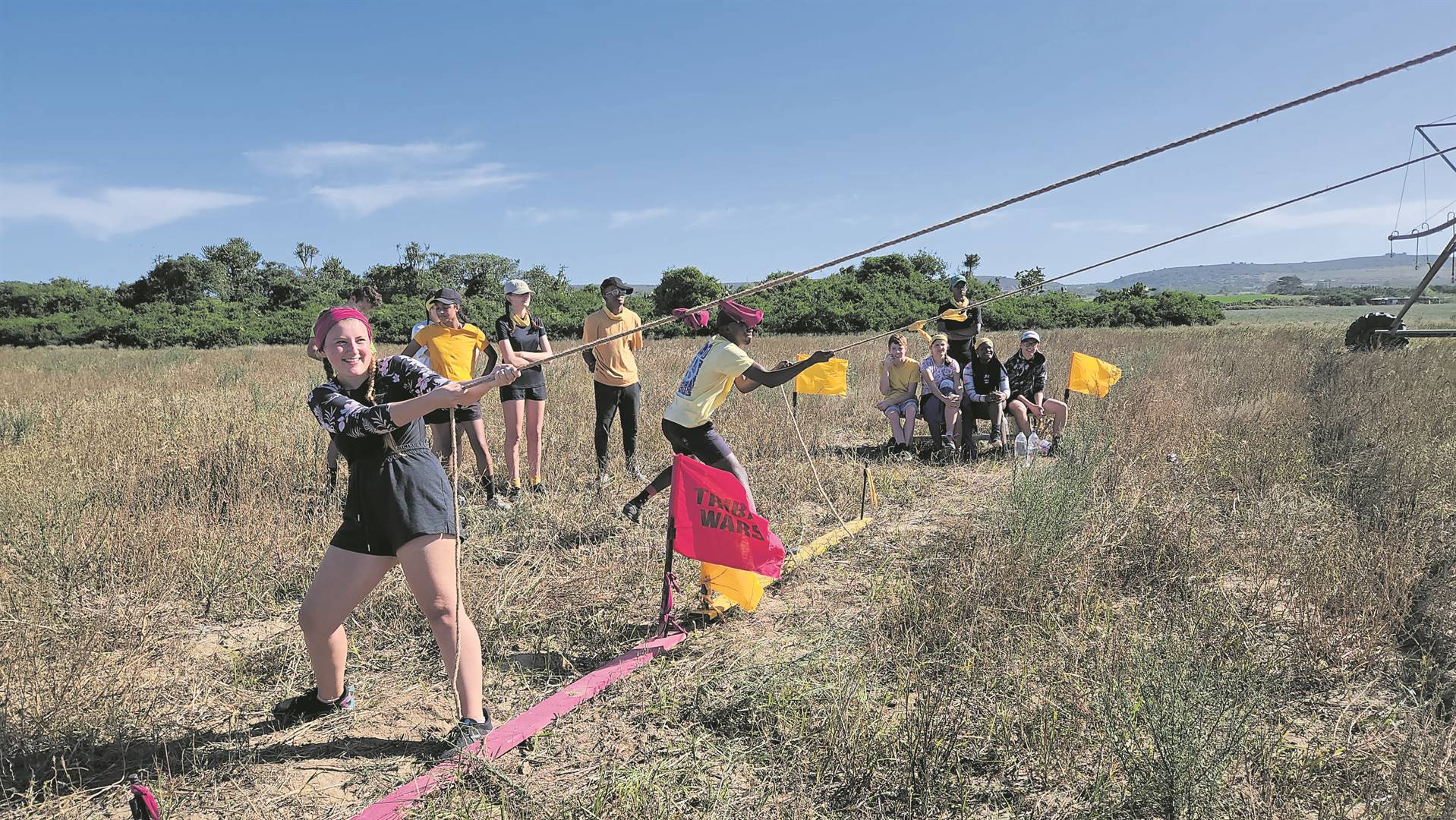
To strengthen teamwork and to promote leadership characteristics within their learner, Global Leadership Academy in Jeffreys Bay recently hosted their leadership programme at a remote location in the Kouga region, with an interesting twist.
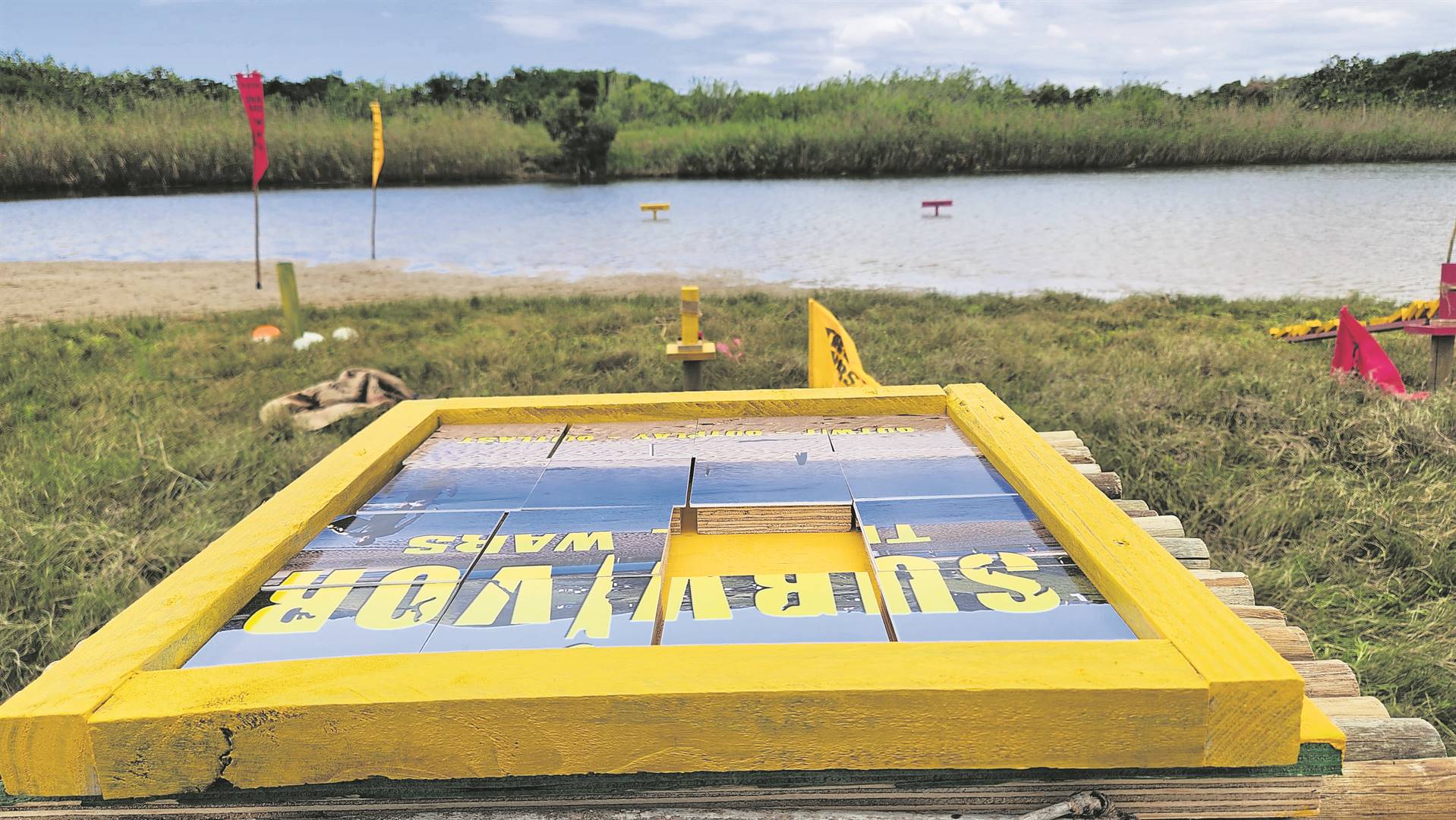
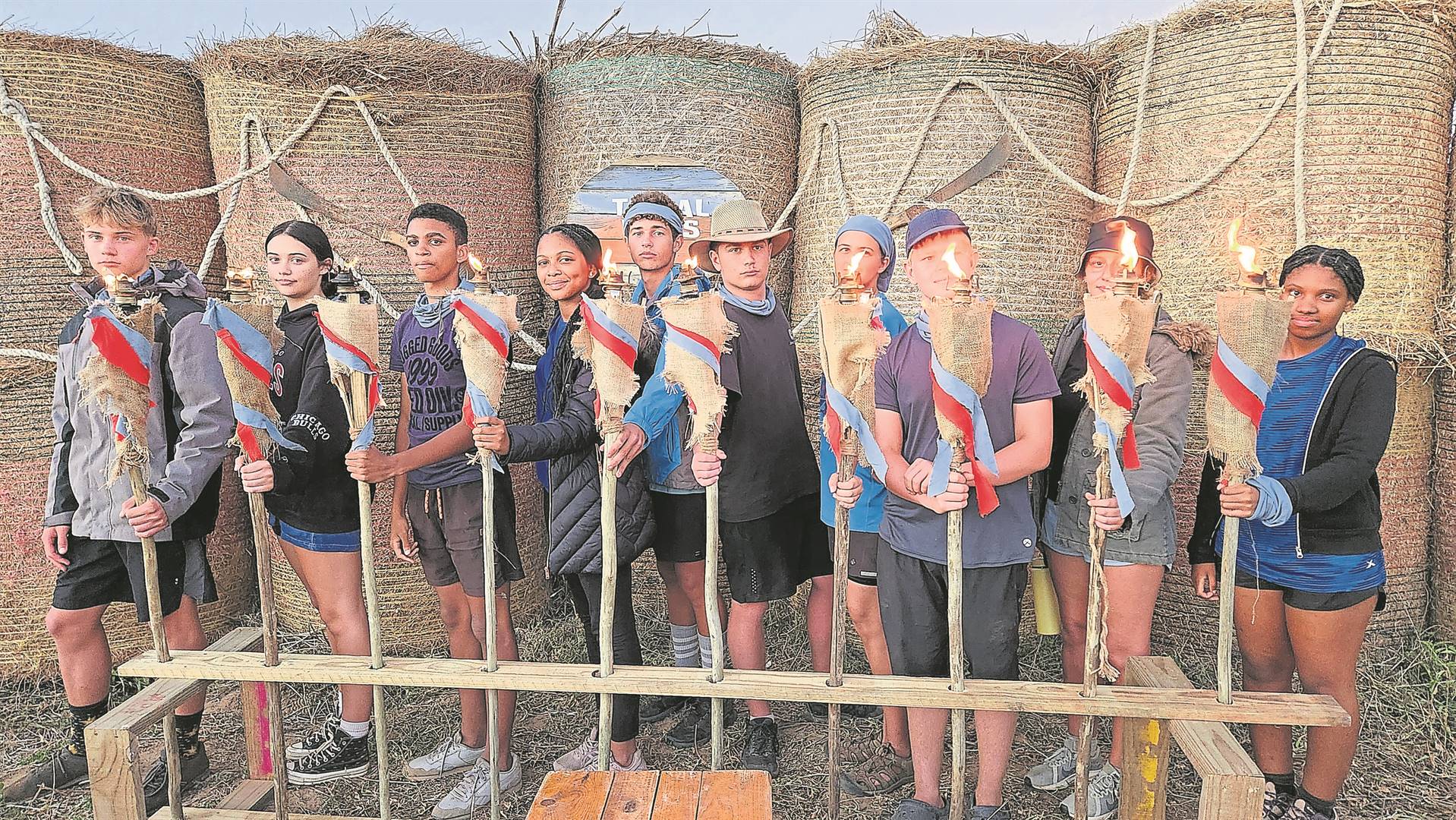
Like that of the popular Survivor television show, in March this year at least 22 grade 11 learners were “stranded” at a remote location and were required to “survive” by completing various team-building tasks to avoid being eliminated at the tribal council or being sent to redemption forest.
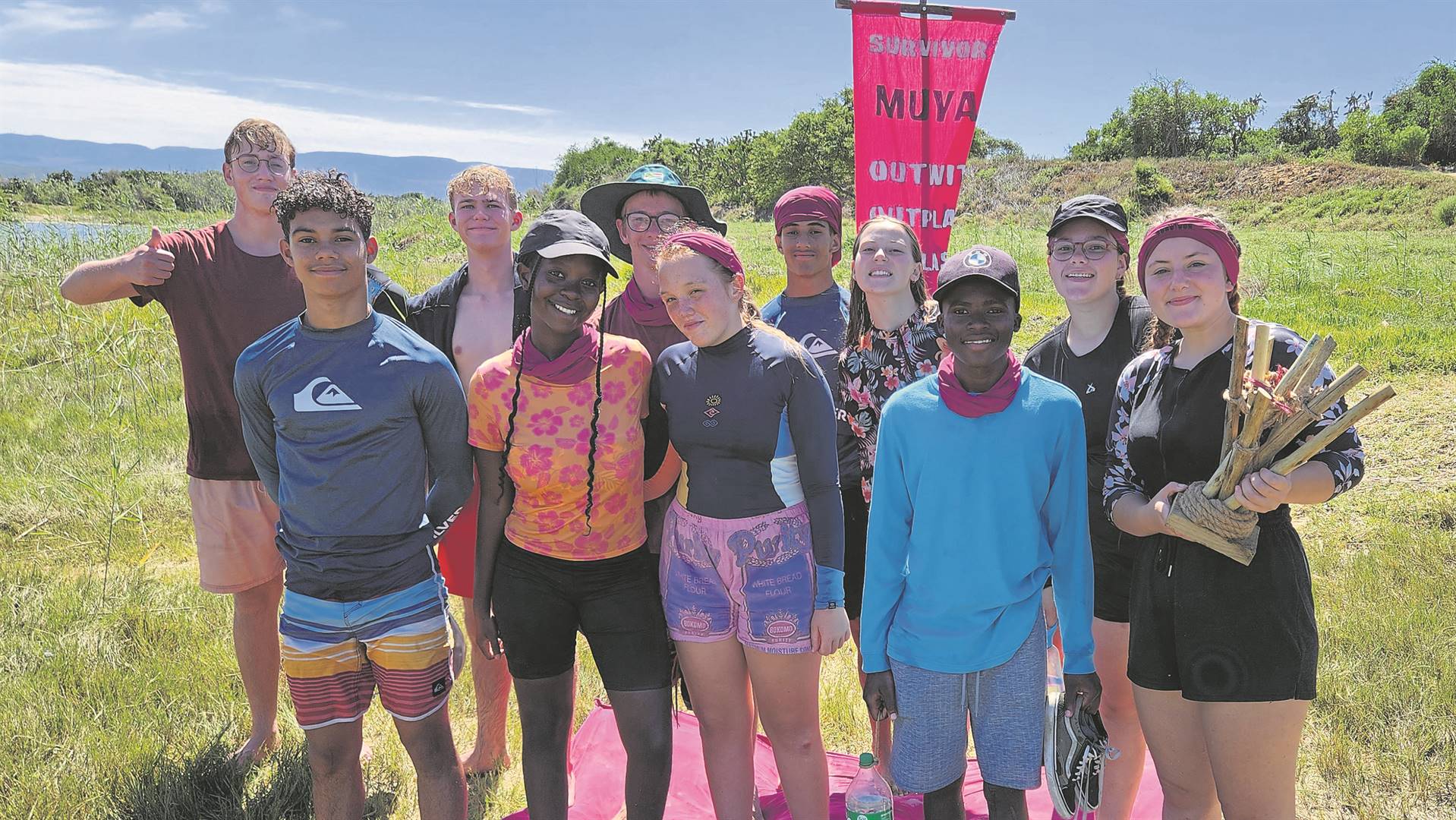
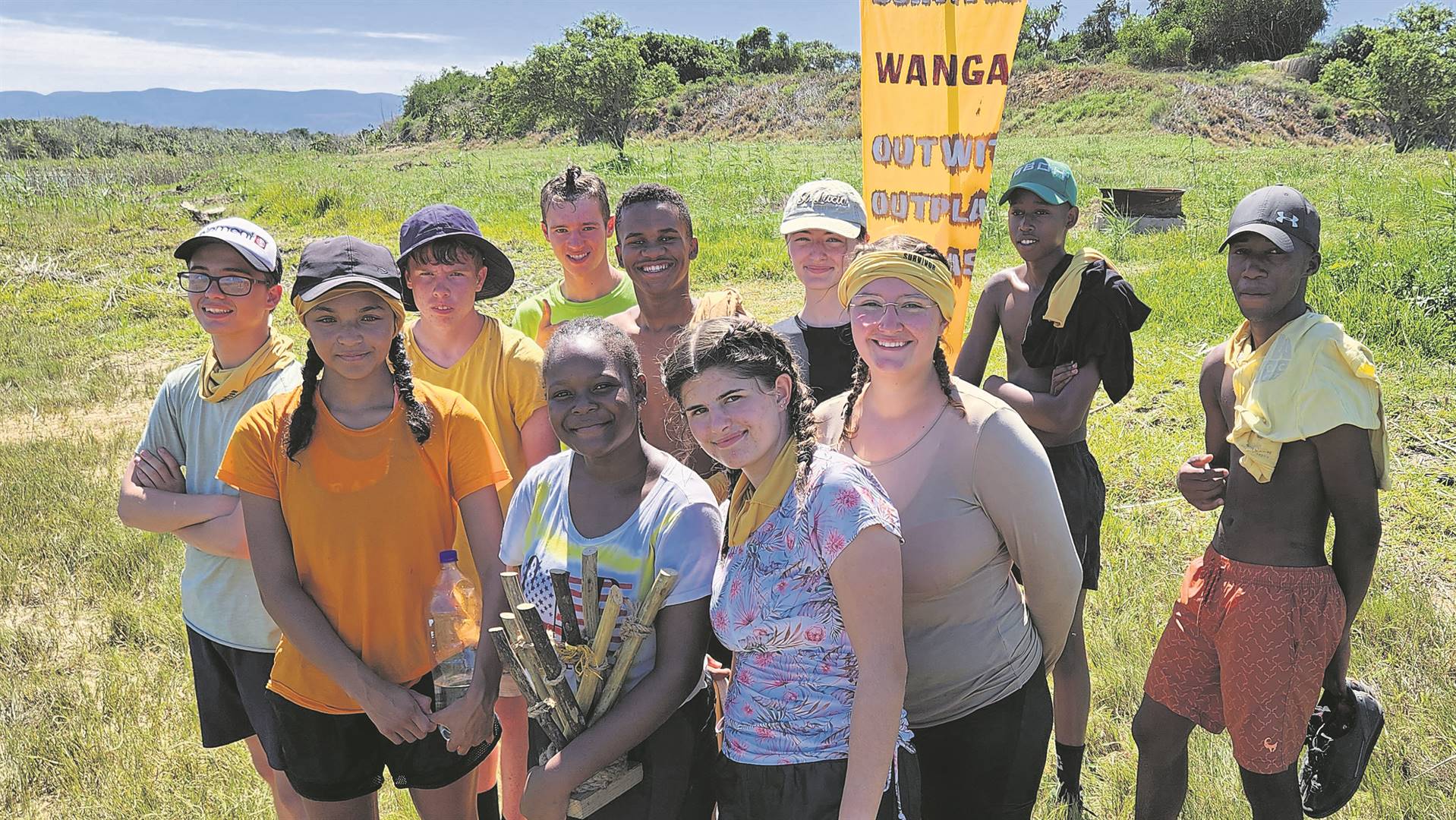
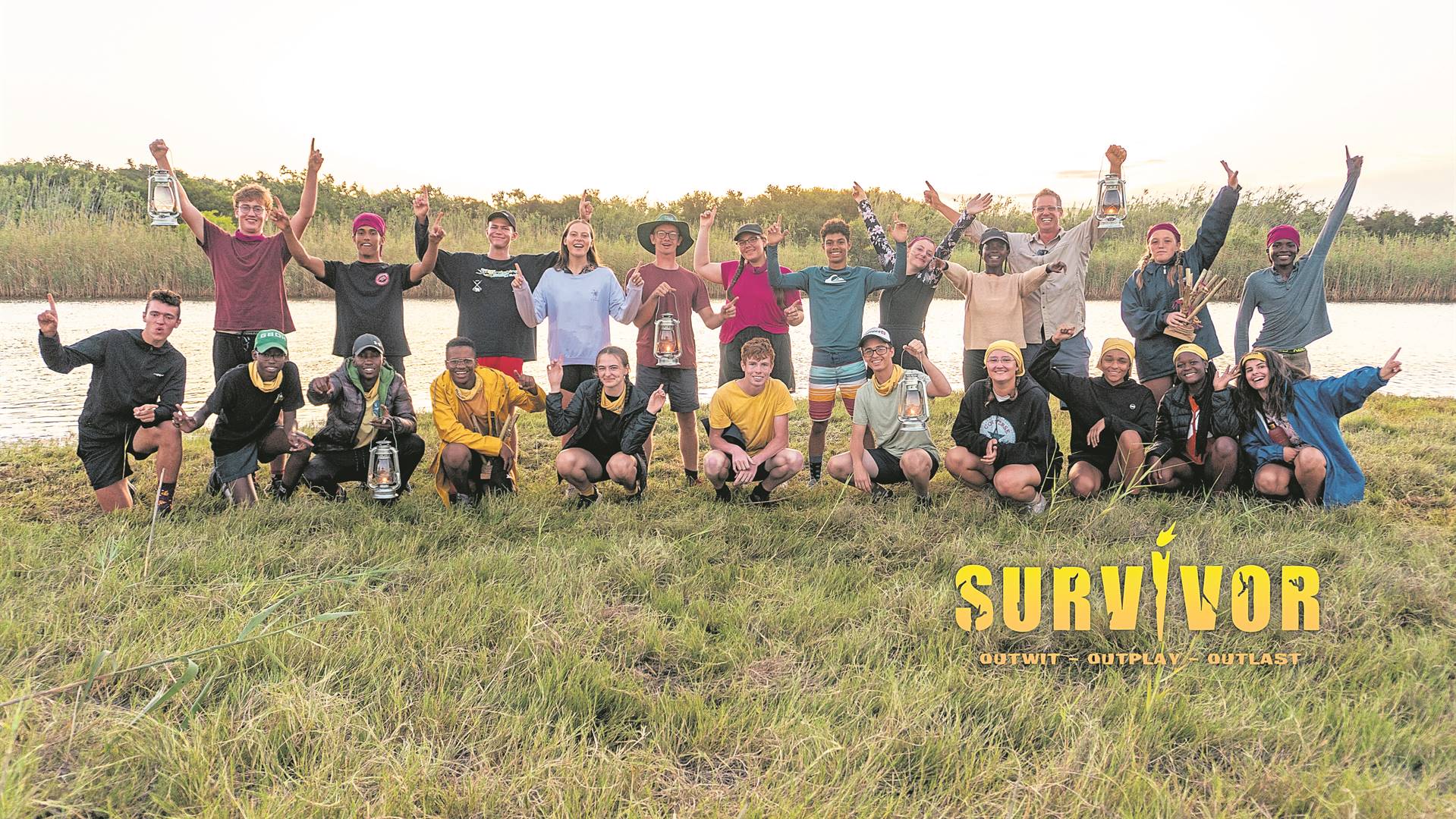
According to school principal, Stefan Kleyn, as part of the school’s leadership programme, the learners were “abandoned” at a remote location with limited supplies and no access to the outside world.
He said that they were separated into two tribes, Wanga Tribe and Muya Tribe who through classic Survivor game play and challenges had to fight it out for their survival over the course of five days, and in the end only one tribe “survived”.
Kleyn said the entire experience was filmed on location with numerous twists and story lines developing over their time together.
“Survivor forms part of GLA’s bigger leadership development programme and aims to shape and promote future leaders within simulated experiences where they are tested, developed and challenged to grow and work together as a team,” said Kleyn.
To allow access into their fun yet challenging experience, the school filmed a three-episode production titled Survivor – Tribal Wars which will be aired on the Global Leadership Academy’s YouTube channel in May.
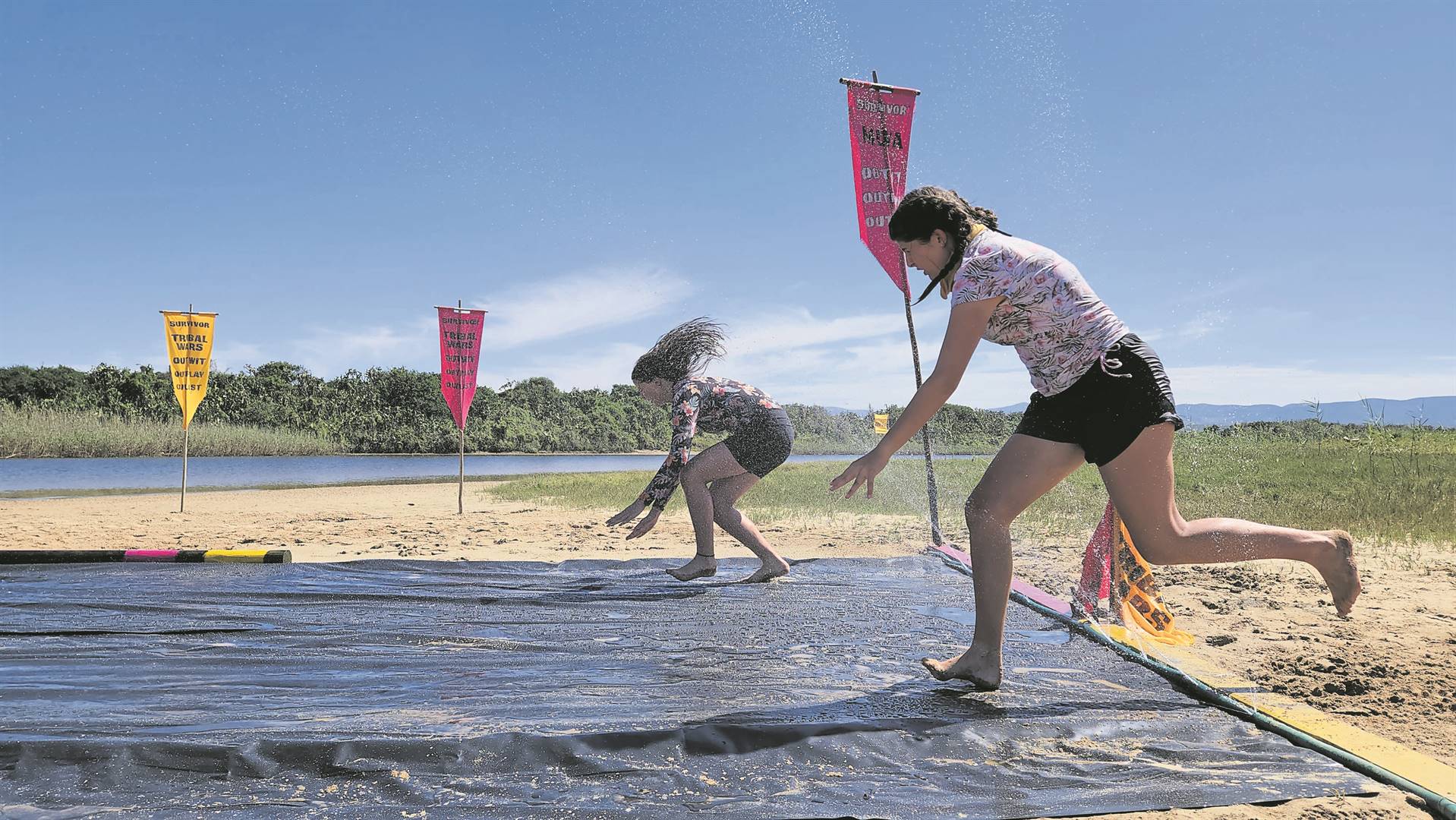
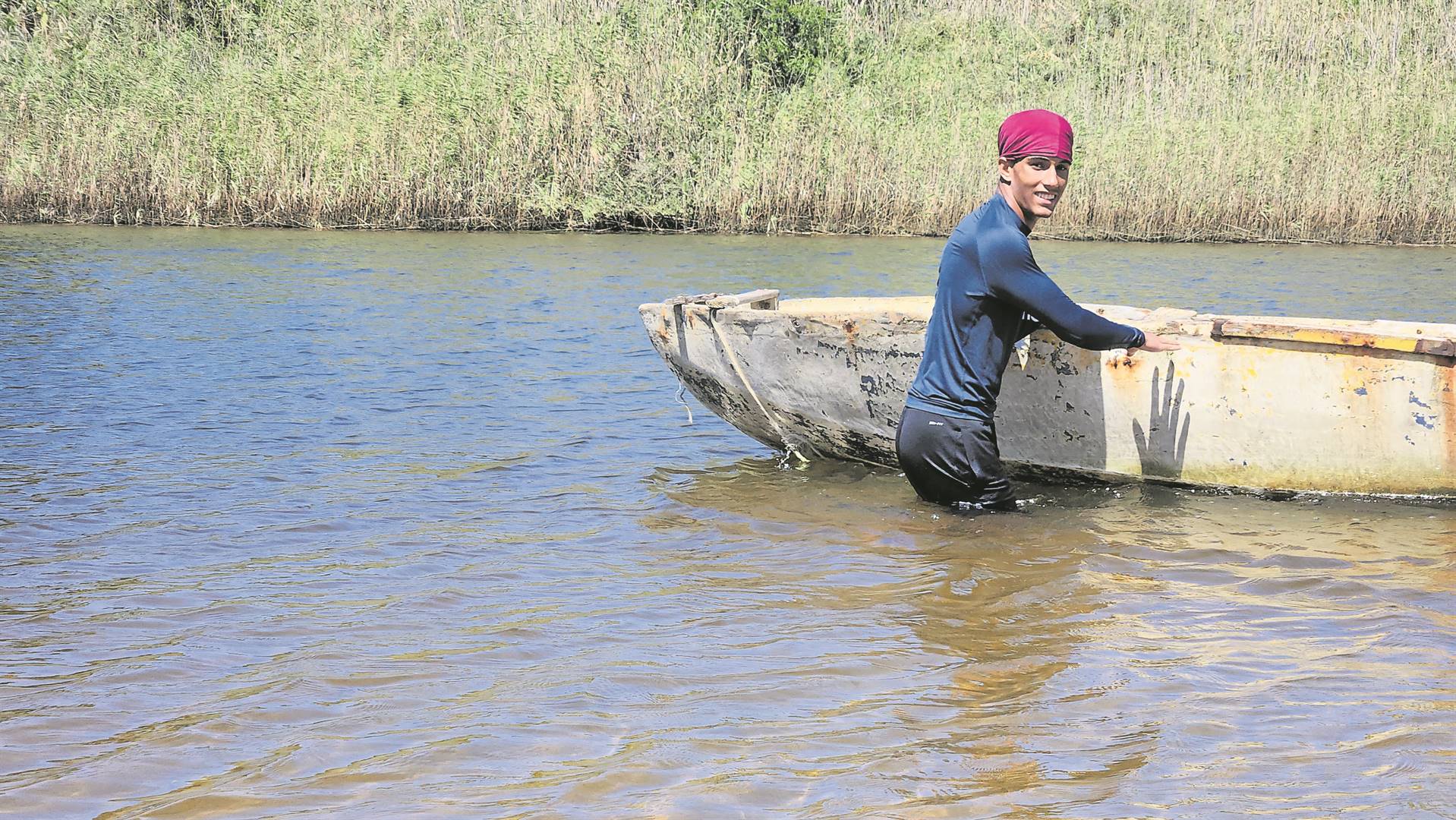
GLA’s Survivor programme initially began in 2021 but since noticing its great success the school has continued with the unique leadership camp as an annual event on their calendar.
Kleyn said that just another weekend course or input session with the learners did not have the excitement or impact that a real-life experience such as Survivor has had on the learners.
“Taking the learners outside of their daily comforts will force them to rely on each other, to share their skills, to work together as a team and to push through the difficulties,” said Kleyn.
In addition to promoting leadership qualities, he said that through well-planned and thoughtful “tribal councils” and “exile islands” experiences, the school hoped to facilitate an inward journey to allow the learners to discover who the Lord made them to be, how He made each one unique, and how He can use them, not only inside the game, but also outside.
Kleyn said the Survivor camp therefore formed part of their bigger leadership development programme to prepare Christian leaders to serve and impact society.
“The experience also gave us the opportunity to identify leaders and to gauge where the learners are in their leadership journey.”
He said that during the Survivor experience the learners had no access to any comforts, no toothbrushes, no towels, no second pair of clothing, no sleeping bags and no communication to the outside world. Instead, they had to focus on fully relying on each other to navigate themselves as a team through the various immunity and reward challenges.
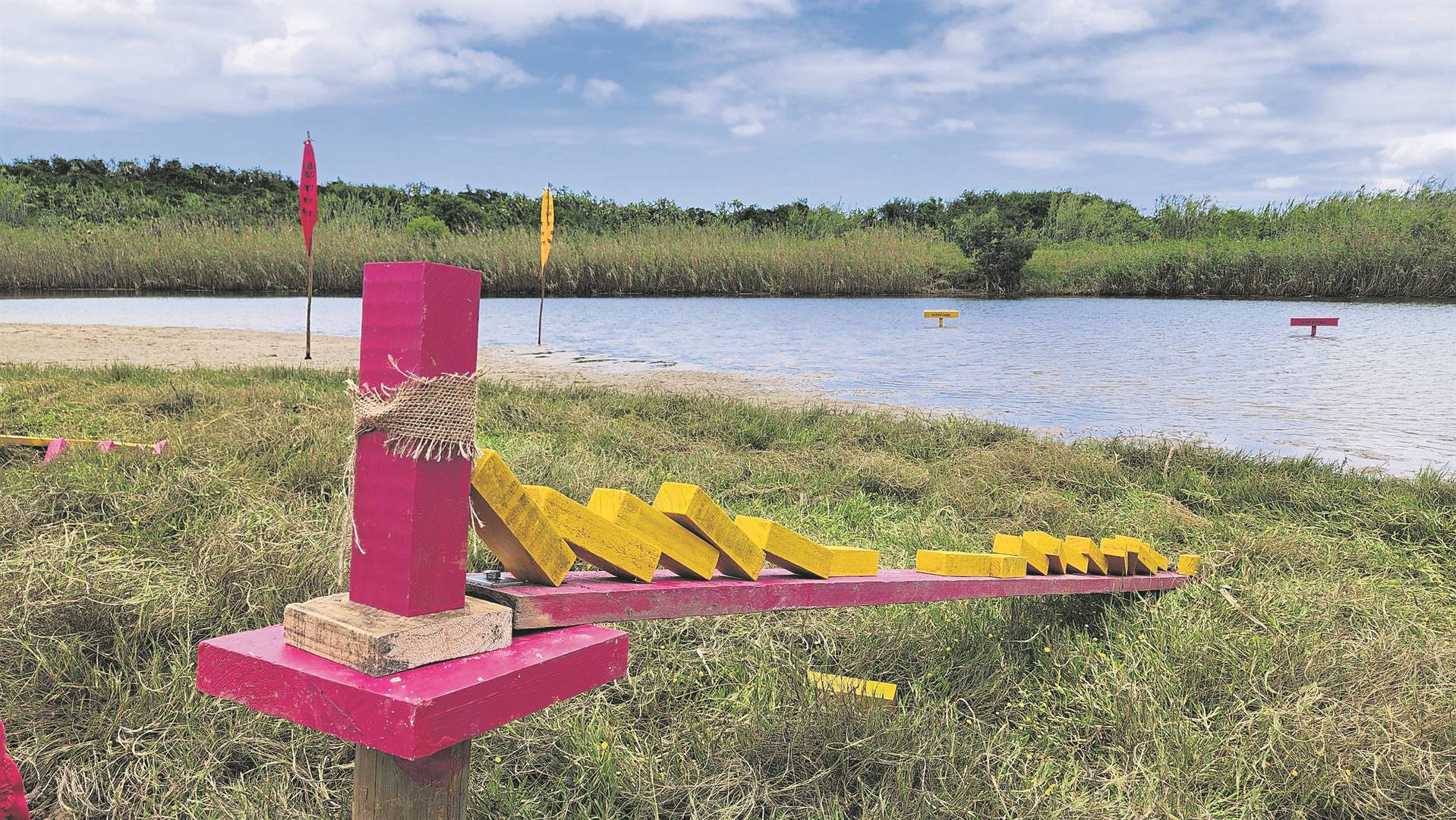
Kleyn said that the various challenges were designed to test the participants’ physical and mental abilities which relied on good communication, strategy and teamwork.
To ensure the best possible experience, they had done their best to get the look and feel of the original Survivor, with the only difference being that nobody was voted out, instead one of the two tribes won the overall game.
Kleyn said that he never thought the game would be so intense with personal stories from each learner’s growth being the most special part.
“There were genuine tears, real disappointments, but also awesome victories and we hope it gets shown in the episodes that will air in May. There were also a few twists and surprises, but for that viewers will have to wait for once the episodes have aired,” said Kleyn.