
In a bid to continue providing the community in Kouga with water that is distributed fairly, the Gamtoos Irrigation Board is in the process of transforming their business model to a Water User’s Association (WUA), which will see the Baviaans and Kabeljous catchments joining their water management services.
According to Rienette Colesky, CEO of Gamtoos Irrigation Board, as part of their business model established in 1991, they are an Irrigation Board, according to the National Water Act 36 of 1998.
Since the business model of the irrigation board is more stringent, she said that in 2013 they began the process of transforming the board into a WUA, but this was halted soon thereafter.
Fortunately, in 2021, Colesky said that they began the transformation process again and on May 26 finally submitted their proposal to transform the board to a WUA to the Department of Water and Sanitation.
“Submitting our proposal to the department and transforming our board is a historical moment in our history,” said Colesky.
As an Irrigation Board she said that they were responsible for the management of water at the Gamtoos catchment.
However, after negotiating with the owners of the Baviaans and Kabeljous catchments, and explaining in detail the benefits of joining their association, Colesky said that they will now manage the two additional catchments.
She said that welcoming the two catchments will widen their area of operation.
“As an association we manage every drop of water going to the municipality, farmers, and emerging farmers. We also handle licensing, among other issues, to ensure that our members have the correct licence to transfer water,” said Colesky.
As a result of transforming to a WUA, she said that they would be moving towards a more acceptable and less stringent business model which will enable them to work more closely with the community.
Despite only officially submitting their proposal less than a week ago, Colesky said that for many years they have been operating similarly to a WUA where they have involved the community and assisted with various community-related issues.
“For years we have worked on improving the community, and residents have always informed us when they are having water-related issues or even issues unrelated to water because we are willing to help them where we can,” said Colesky.
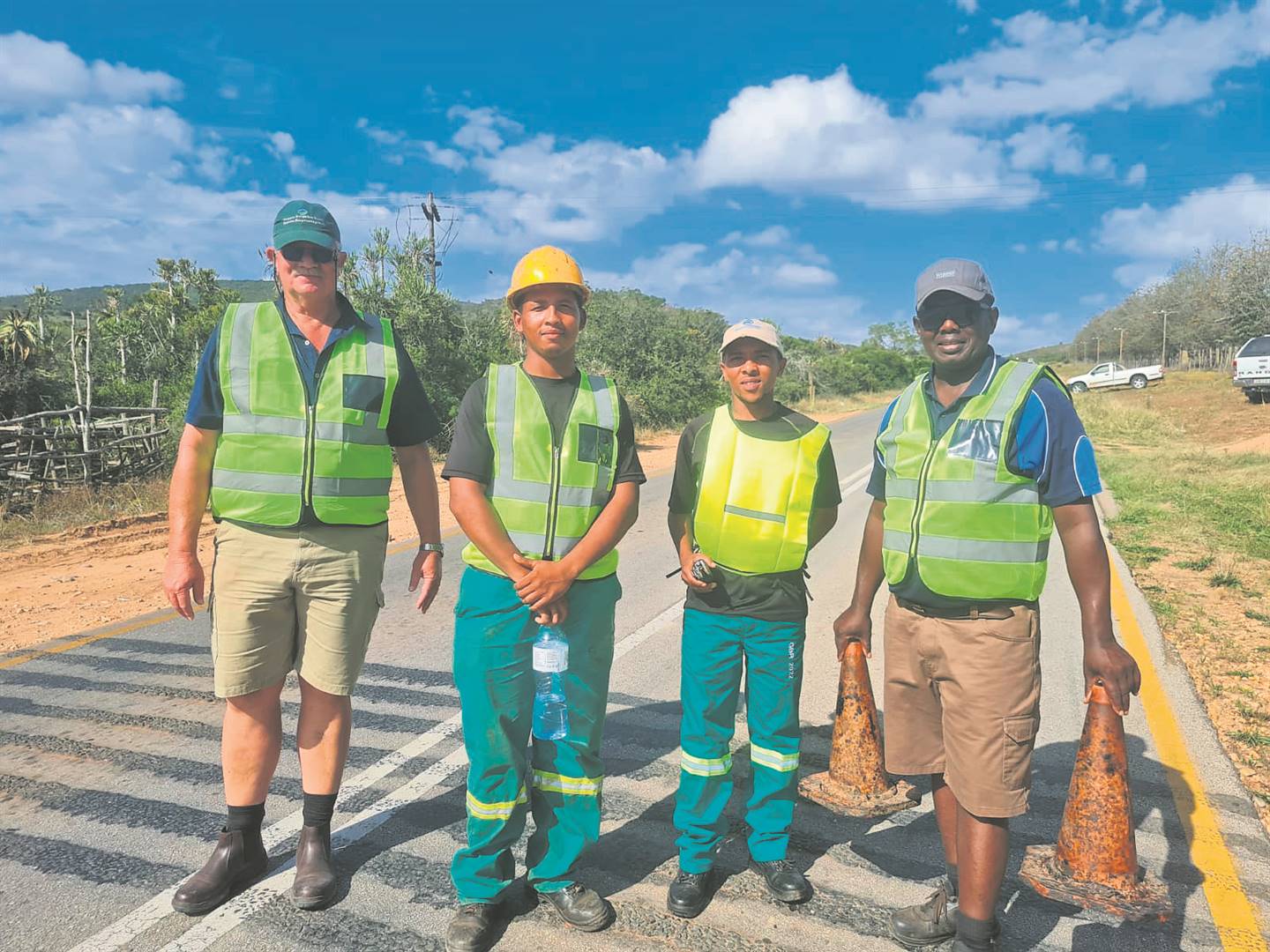
She said that some of the projects they have embarked on to improve the lives of the community have been to build a water station at a local farm to ensure the animals have clean drinking water, and they have cleared the R331 and various other roads to allow harvest farmers to easily deliver their goods and to make sure the roads are safe for all motorists.
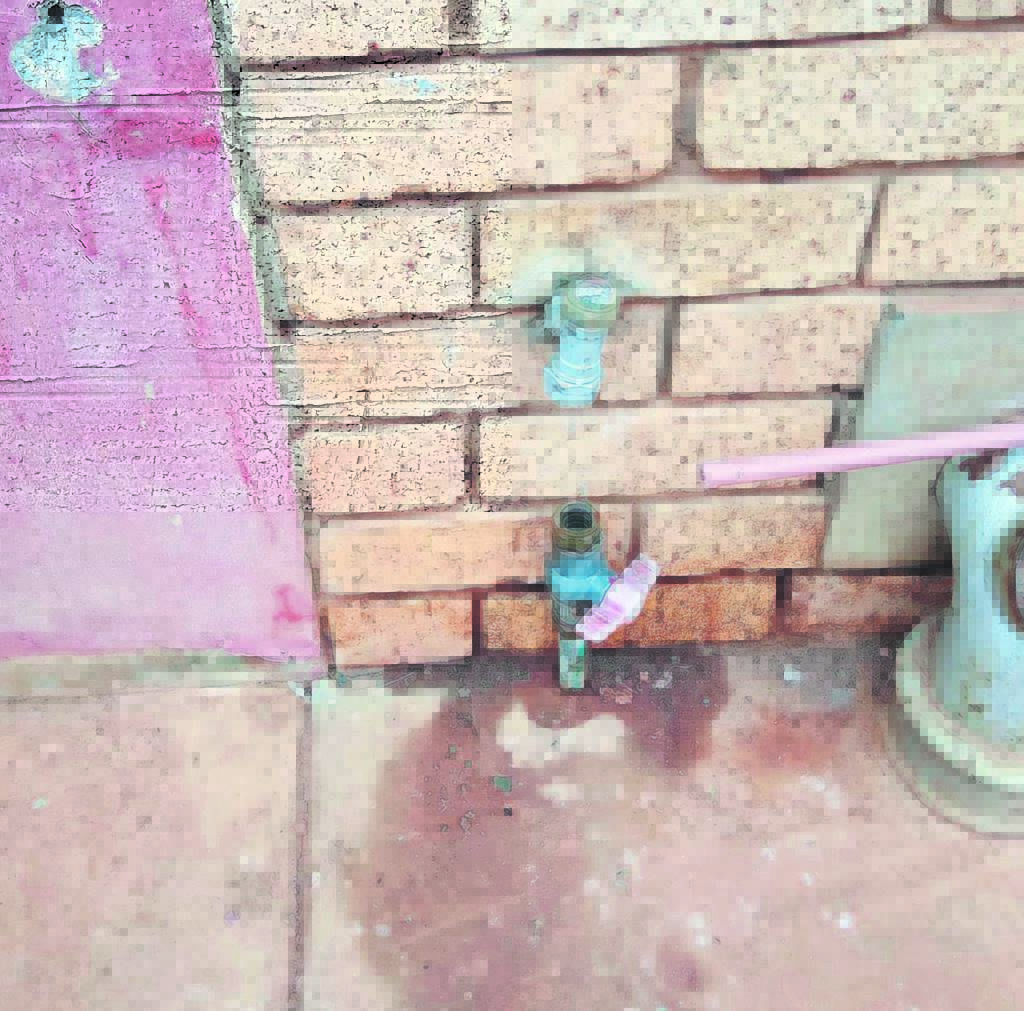
In addition, they have helped with the plumbing at local schools which had been vandalised.
Colesky said that as a WUA they will play a facilitating role among all stakeholders which includes farmers, emerging farmers, citrus and cash crop pack-houses, Department of Correctional Services, Department of Water and Sanitation, Nelson Mandela Bay Municipality, Eastern Cape Parks and Tourism Agency and the Department of Environmental Affairs.
“The WUA allows us to cross boundaries we could not cross as an irrigation board. Also, with diversified board members more voices will be heard,” said Colesky.
As an association she said that they will manage rivers, boreholes, and dams.
“We have a passion to provide clean and pure water which is distributed equally. We also believe that the three catchments, as well as the recipients of water, will benefit from our association’s management of their water,” said Colesky.
Wentzel Coetzer, who is involved in three environmental organisations, Conservation Outcomes (non-profit organisation), Greater Kromme Stewardship (conservation project) and Kabeljous Reserve Action Group (non-profit organisation and Public Benefit Organisation), serves as a representative of environmental matters on the temporary committee which oversees the transition process of the WUA.
He said that the WUA will be extremely useful and positive, especially since South Africa needs to improve water management on a local level to avoid unlawful and unregulated water usage which impacts the environment and water security.
“It is better to manage and regulate water affairs at a local level since the management entity is familiar with the catchment areas,” said Coetzer.