


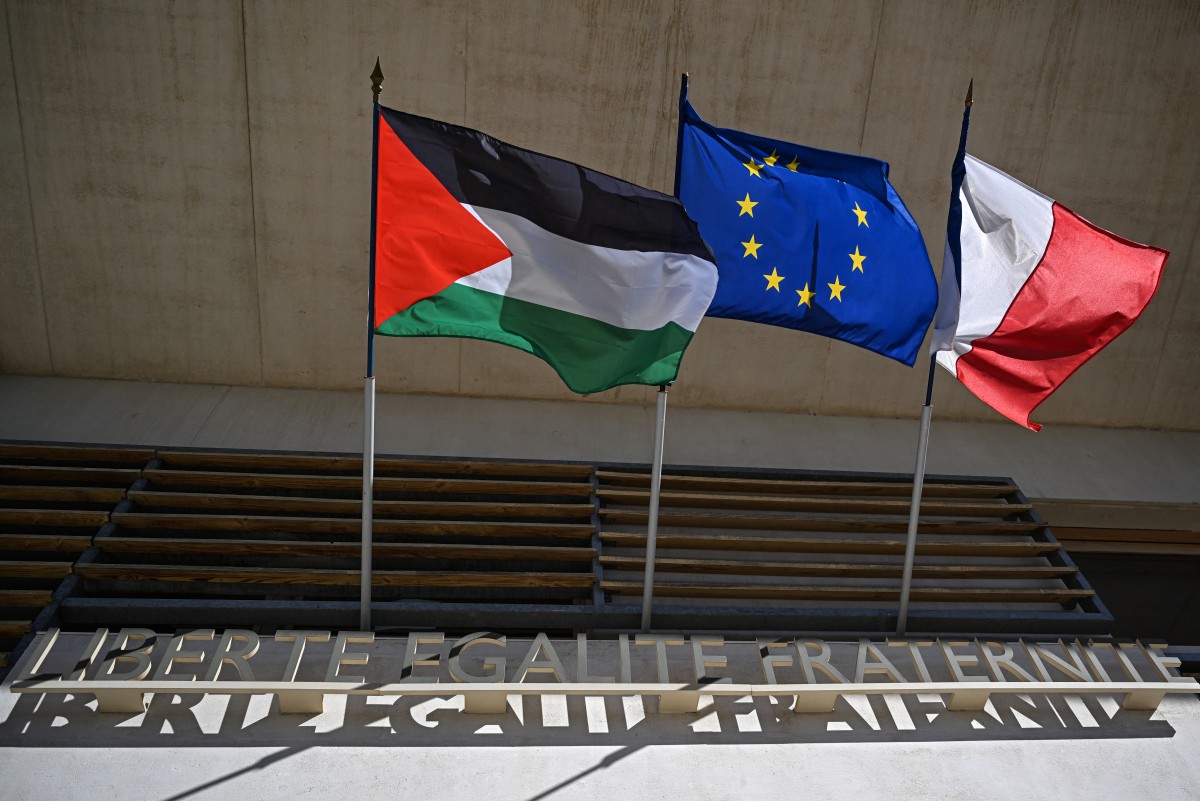
NEW YORK – French President Emmanuel Macron led a wave of Western nations in officially recognising a Palestinian state during a landmark United Nations summit Monday, defying Israel and its key ally the United States in a symbolic but unprecedented diplomatic move.
Speaking before the UN General Assembly at a summit boycotted by both Israel and the U.S., Macron declared that “the time for peace has come” while calling for an immediate end to the war in Gaza and the release of hostages held by Hamas.
“We are just moments away from no longer being able to seize it,” Macron warned delegates. “The time has come to free the 48 hostages held by Hamas. The time has come to stop the war, the bombings of Gaza, the massacres and the displacement.”
Domino effect of recognition
Following France’s announcement, Australia, Britain, Canada, and Portugal quickly followed suit, with Monaco, Belgium, Andorra, Malta, and Luxembourg also declaring recognition from the General Assembly podium. The cascade of recognitions brought the total number of UN member states acknowledging Palestinian statehood to three-quarters of the organization’s membership.
The Palestinian Authority delegation responded with a standing ovation, hailing France’s decision as “historic and courageous.”
Spain, Ireland, and Norway had previously recognized Palestinian statehood in May, while Sweden took the step in 2014.

Israel and U.S. push back
Israeli Prime Minister Benjamin Netanyahu, who has repeatedly vowed to prevent Palestinian statehood, faces mounting international pressure as far-right members of his cabinet threaten to annex the West Bank to make such recognition impossible.
Israel’s UN Ambassador Danny Danon issued a stark warning, saying his country “will take action” against the recognizing nations. “They are not promoting peace. They are supporting terrorism,” he declared.
The White House also rejected the diplomatic initiative, with Press Secretary Karoline Leavitt stating that President Donald Trump “believes [recognizing Palestine] is a reward to Hamas.”
Palestinian authority distances itself from Hamas
In an unusual virtual address after the U.S. blocked his in-person attendance, 89-year-old Palestinian Authority President Mahmud Abbas called on Hamas to surrender its weapons to his government, which exerts limited control in the West Bank.
“We also condemn the killing and detention of civilians, including Hamas actions on 7 October 2023,” Abbas said, attempting to distinguish his authority from the Gaza-based militant group.
The summit, co-hosted by France and Saudi Arabia, concluded late Monday with Saudi Foreign Minister Prince Faisal bin Farhan urging all countries to follow the recognition trend.
Limited immediate impact
Despite the historic nature of the recognitions, experts warn the moves may have little practical effect on the ground. Major U.S. allies including Germany, Italy, and Japan declined to recognize Palestinian statehood, with Germany’s Foreign Minister Johann Wadephul emphasizing that “a negotiated two-state solution” remains the preferred path.
Britain indicated it would reconsider recognition only if Israel agrees to a Gaza ceasefire – a prospect that appears unlikely as Israel has instead launched a new campaign targeting Gaza City.
“Unless backed up by concrete measures, recognizing Palestine as a state risks becoming a distraction from the reality, which is an accelerating erasure of Palestinian life in their homeland,” warned Max Rodenbeck, director of the International Crisis Group’s Israel-Palestine project.
Devastating toll continues
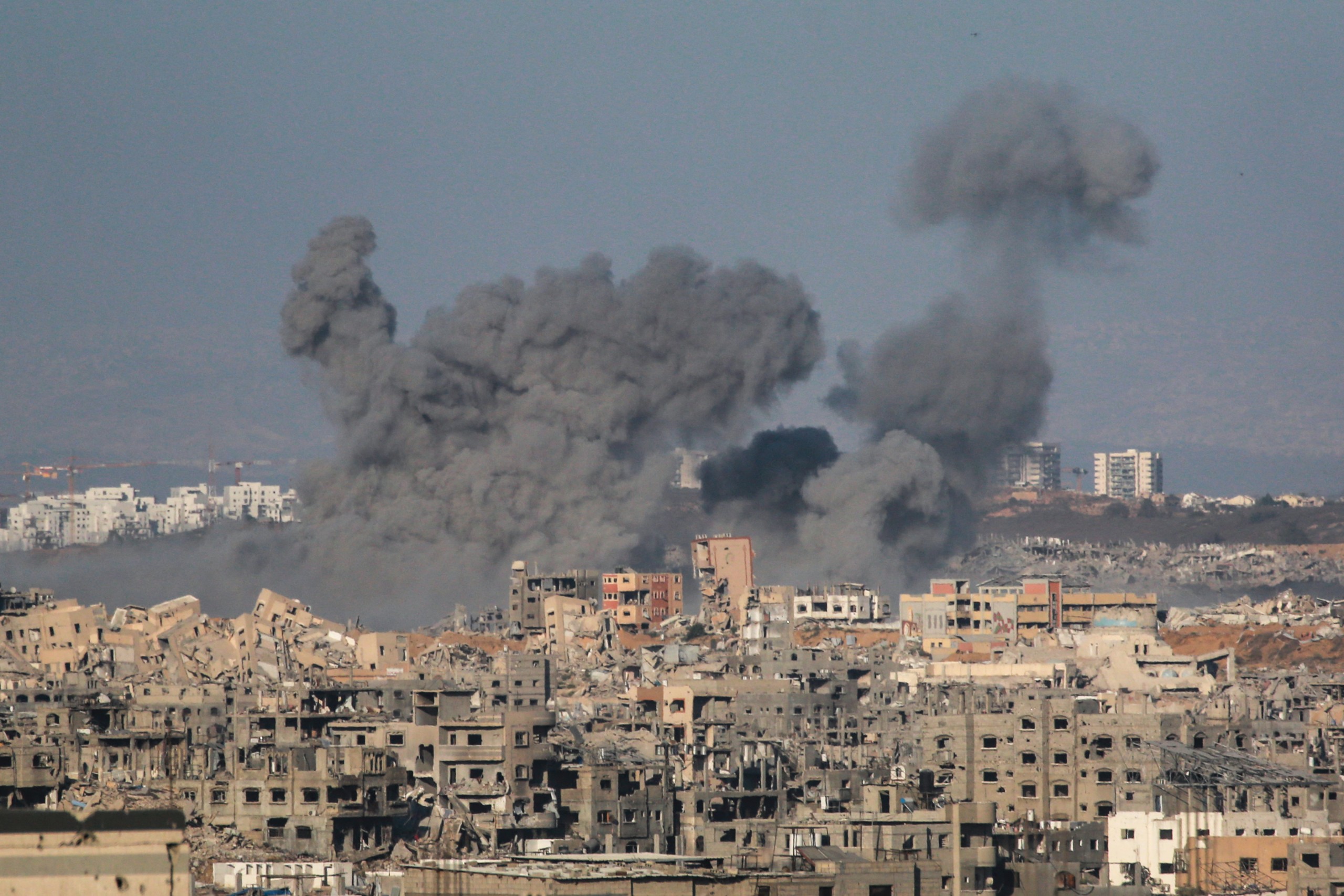
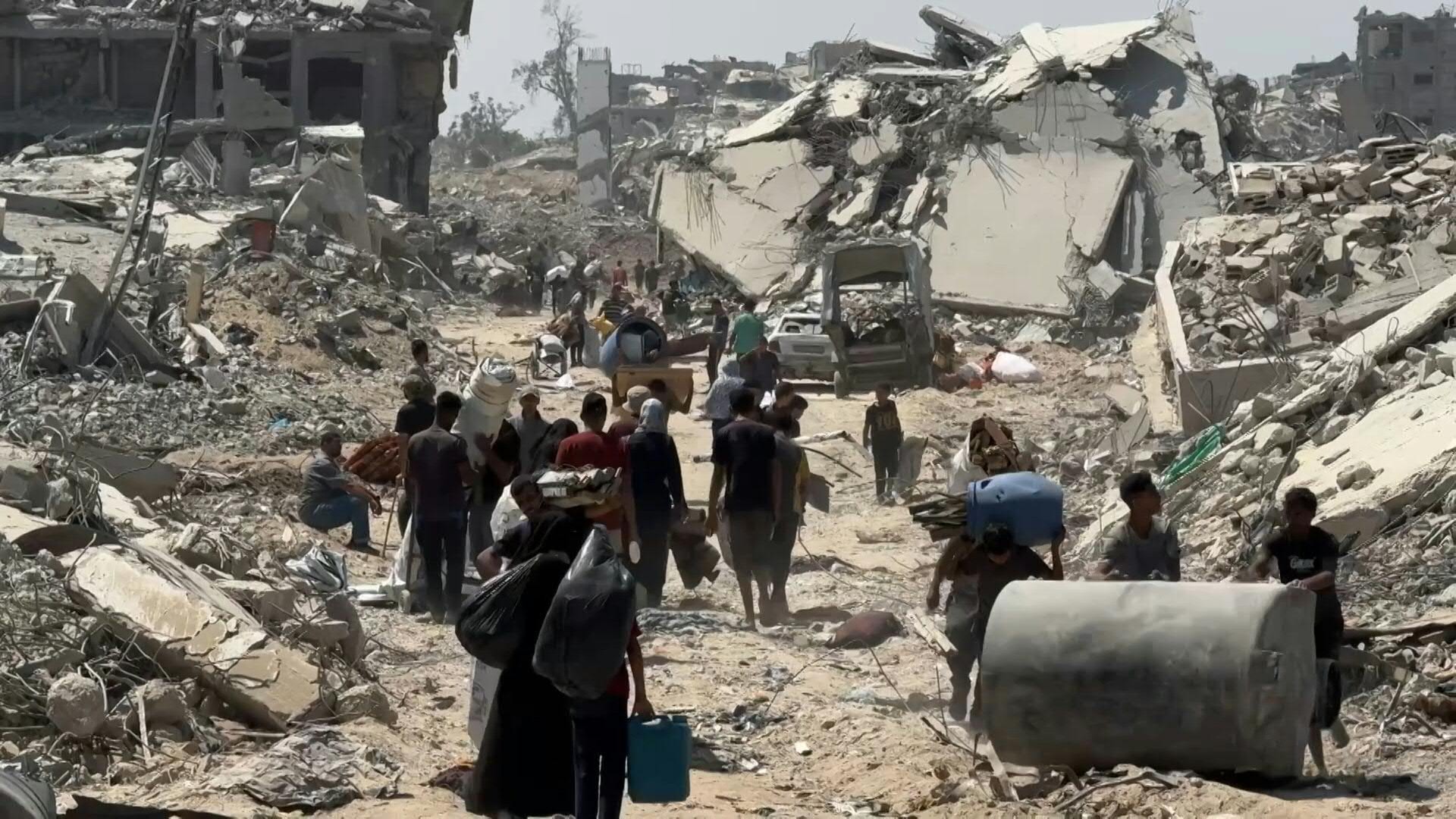
The diplomatic maneuvering comes as the human cost of the conflict continues to mount. The 7 October 2023, Hamas attack killed 1 219 Israelis, mostly civilians, according to official data. Israeli military operations since then have killed 65 344 Palestinians, mostly civilians, according to the Hamas-run health ministry – figures the UN considers reliable.
UN Secretary-General António Guterres, speaking to AFP before the summit, emphasised that the international community “should not feel intimidated by the risk of retaliation” in pursuing diplomatic solutions.


You must be logged in to post a comment.