

The Bateleurs have entrenched their status as Southern Africa’s “environmental air force” through a group of volunteer pilots giving aerial support to legitimate conservationists, with 2023 marking 25 years of this pioneering fleet.
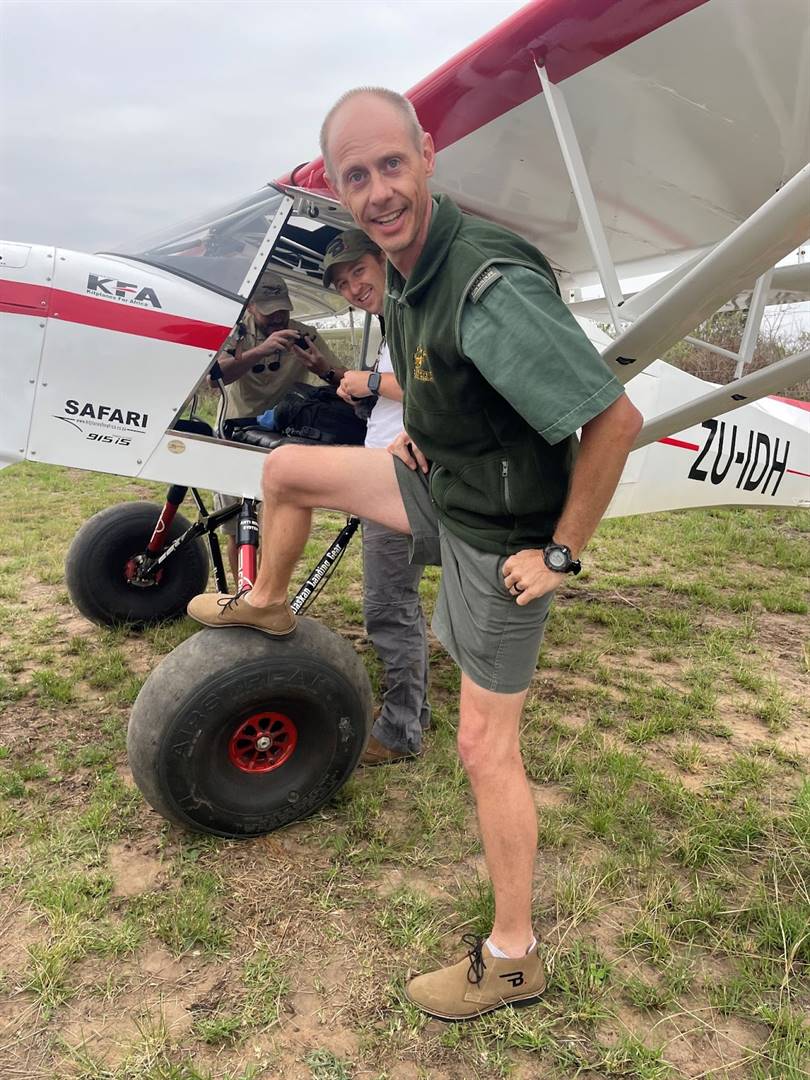
The Bateleurs, a group of volunteer pilots who crisscross Southern African skies, have dedicated their lives to assisting conservationists in the most critical of times.
Founded in 1998 by Nora Kreher, a woman with a passion for Africa’s wildlife and nature conservation, her vision was to have eyes in the sky, keeping watch over some of our most vulnerable and valuable wildlife.
The organisation’s most recent projects included flying penguins to Gqeberha and picking up a turtle, which is part of an incredible tracking project. This initiative was led by pilot Claude Parnell from KwaZulu-Natal.
Paying It Forward
The Bateleurs rely on volunteer pilots to do most of the flying. There are about 200 dedicated volunteers on standby to assist the conservationists on the ground with coordinated missions providing advice from an aerial perspective which is critical for anti-poaching teams.
These men and women not only donate their time and expertise but also contribute to the operating costs of the aircraft. Depending on the aircraft, this can be in the region of R1 750 per hour.
The constant monitoring is essential work, as it impacts hugely on our environmental safety, from the ocean, traversing the bushlands and all the way to the mountains and rivers.
Seasoned Bateleurs pilot, Donavan Bailey, said, “Flying for the environment is the most rewarding flying job you can have. Using your skills to improve conservation and people’s lives is a calling we all need.”
These skilled and dedicated volunteers offer their aircraft, time, and expertise at no cost to the Bateleurs, a registered NPO organisation, accounting for approximately 70% of the “value” of the Bateleurs.
Wildlife writer, James Clarke, once described the organisation as “An environmental air force, which has had a profound effect on conservation tactics in Southern Africa.”
Flying Missions
Their flying missions have varied from exposing illegal activities, monitoring proposed developments (mining, tolls, roads, informal housing), tracking animals with telemetry equipment, conducting surveys of animal populations, and at times having as many as 14 microlights in the sky at once, counting elephants in the Maputo Elephant Reserve, and a crocodile count in Josini.
They have transported endangered wildlife between conservation areas, as well as documenting vulnerable wetlands adjacent to urban sprawl.
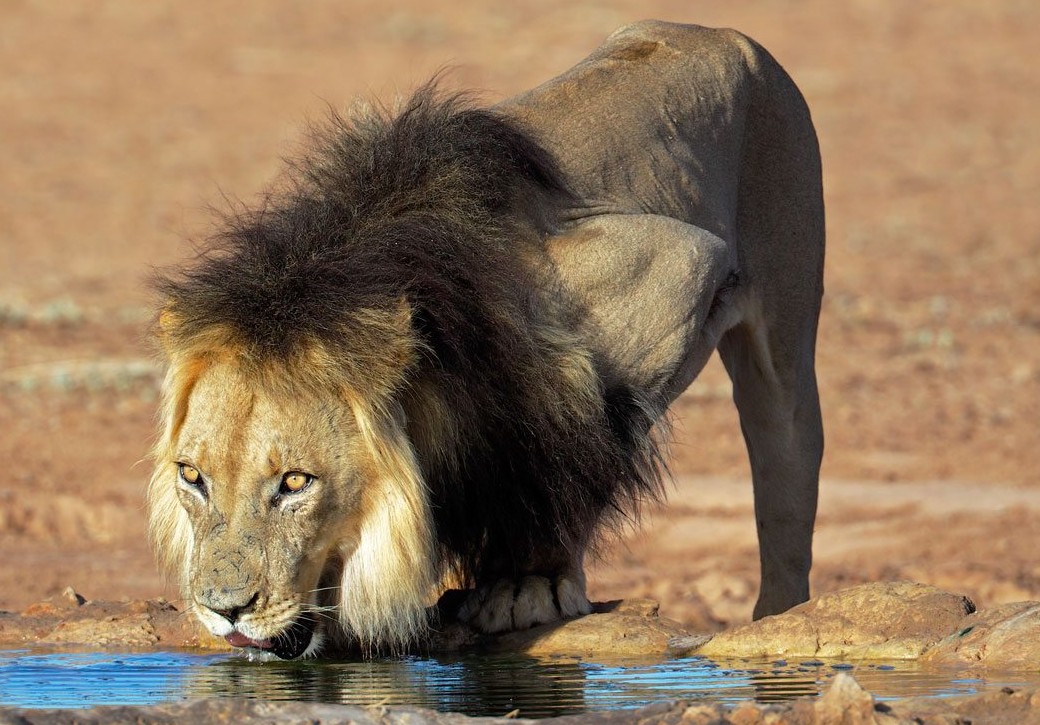
Other missions included the translocations of four African lions and 14 African wild dogs, aerial searches for a collared leopard and for a whale possibly entangled in fishing gear.
The reconnaissance and anti-poaching missions, aerial surveys of breeding sites of vultures and other large tree-nesting birds, as well as game censuses, transportation of four African penguins and a fur seal, as well as critically endangered estuarine pipefish and the aerial photography of destructive mining operations.
Missions flown often encompassed more than one objective, with multiple ‘sub-benefits’ emerging from most flights.
Raising Crucial Funds
A continuous effort in raising funds for this incredible group is paramount to its survival. There is no charge to beneficiaries for the missions flown by The Bateleurs.
The organisation relies solely on funding to cover its operational costs which include ad hoc payments to volunteer pilots for fuel and other mission-related expenses. Over 24 years, generous donors have provided funding to the value of more than R14 million.
In turn, The Bateleurs have delivered environmental services to the value of R41.8 million, after the deduction of all operating costs, thus giving back 300% of their donors’ funds directly to the environment.
The pilots are its biggest contributors as they use the financial support of their benefactors to offset only the pilots’ fuel burn. However, fuel represents only a quarter of the average running cost of an aircraft.
So, by encouraging the pilots with fuel support, coupled with their willingness to give up the balance for the greater good, the pilots make their very generous and committed contributions, and this is how R1 in financial support converts into R4 in value in aerial services in conservation. Add to this their recent SARS Section 18a authorisation and the supporters’ contribution is ‘deductible’ for them.
Volunteers and Veldskoen
Recognising unique ways for donors to support the cause has meant brand new partnerships for Bateleurs in the form of collaborations with footwear brand, Veldskoen Shoes.
The locally made and proudly South African company has produced a Bateleurs Veldskoen.
The black-soled Heritage Veldskoen with the Bateleurs logo embroidered on the leather upper can now be bought and worn by donors with proceeds of the sales going towards the movement.
The direct link to the online shop is https://www.veldskoen.com/products/heritage-the-bateleurs-safari-black-sole