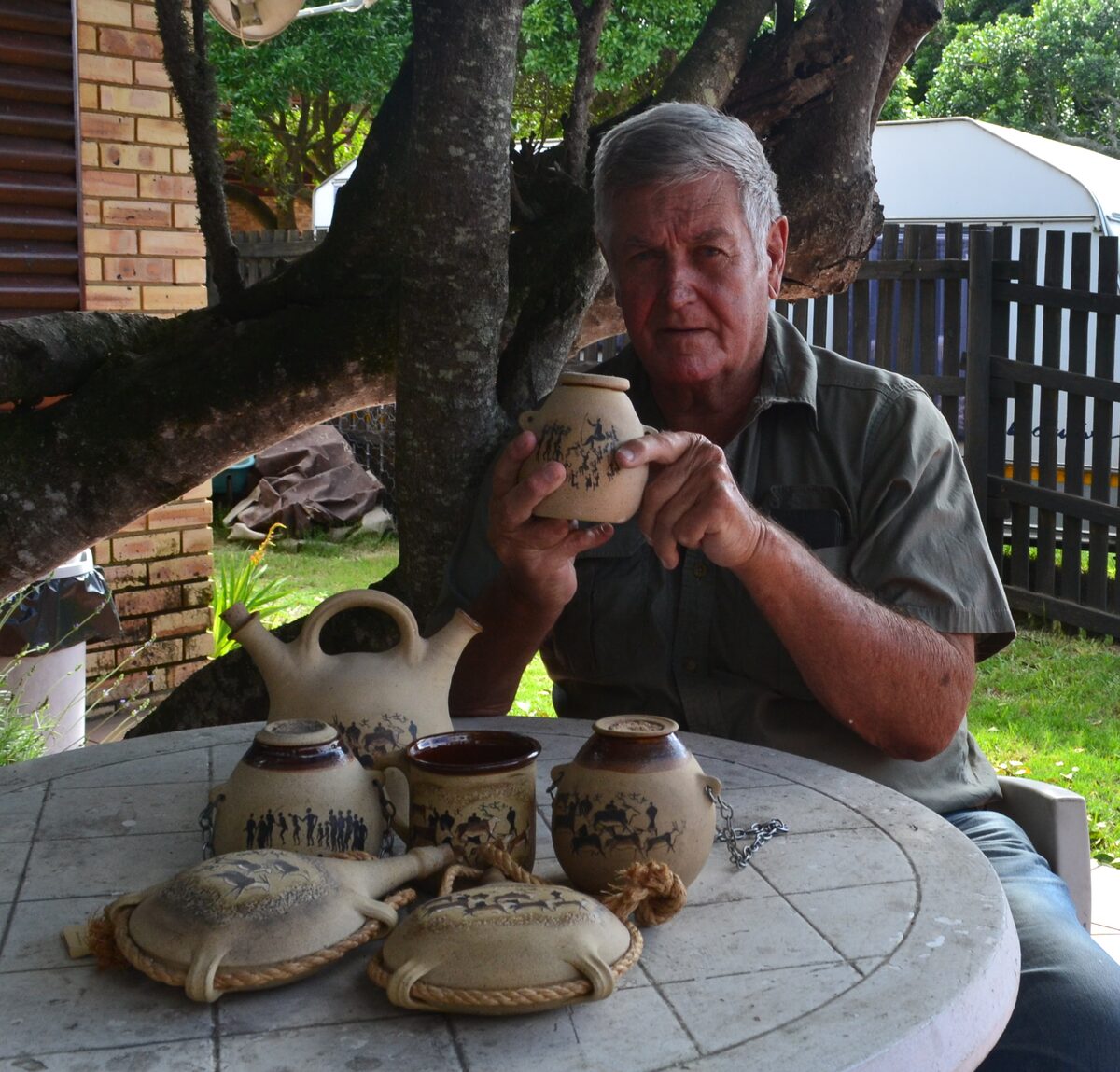


Gqeberha-based artist, Farook Mohammed, hopes to give the public more insight into investing in the art market and empower Kouga-based artists to use their location as an advantage to exhibit their work.
The importance of investing in local art
“As artists we have a duty to capture more than just the beauty around us, but we must preserve and capture history and important events, concepts, diversity, showcase our identity, who we are, and how far we have come as a people,” Mohammed said.
“Apart from the money factor, local art is important and by investing therein you get to share in the story of its preservation. Buying local art is not just about making money from it but also about self-preservation and it protects us from cultural hegemony.
“Let’s face it, original artworks can be expensive and not every South African has R500 million spare change in their pocket, especially when it comes to buying old masters’ works, but you don’t have to be a billionaire to be an art collector or investor.
“Spotting new upcoming artists early in their trade can be quite fun and financially rewarding,” Mohammed added.
Art collectors and investors
No matter what your situation, investing in art can prove to be lucrative, if you do your research. It is therefore vital that you have all your paperwork in order.
“Make sure you receive a certificate of authenticity, if you purchased directly from the artist. If you purchase from a gallery or auction house, make sure you receive a certificate of authenticity, if possible, a list of who previously owned the artwork and the appraisal history,” Mohammed said.
“Investors must independently evaluate artwork, artwork investments and strategies, and should seek the advice of an appropriate third-party advisor for assistance in that regard.”
The average person wanting to invest in art
Mohammed recommended that potential investors go to art exhibitions, art fairs and art auctions, where they can get a feel of the environment, enjoy the works that are available and search for local artists.
“Alternatively watch some videos in the comfort of your home. When wanting to purchase artwork you need to look at your budget and can approach artists directly and negotiate on a price. Many local artists can be found online on a variety of social media platforms and sites.
“If the average person wants to invest but not buy old masters’ works that have some extra guarantees behind them, they can purchase shares at a financial firm’s art fund, which will be invested in the art market while the investment firm will keep its shareholders informed of its progress,” Mohammed suggested.
Lack of information about valuable collectables
“The local art market as an alternative investment should be more active since South Africa is a culturally rich nation with a diversity of people yet there is little trade in this area,” Mohammed said.
“It boils down to lack of information. As an example, you could perhaps have valuable collectables in your possession such as a rare Irma Stern painting or a sculpture, ceramic work, woodwork antique or a religious relic, without even knowing its worth due to inheritance or a gift without much information or explanation behind the item or items.
“It is therefore very important for people to let their children know about valuable collectibles they have as part of their estate. To find out you need to do some research, check if it’s an original, search up the name of the artist or artwork and get an appraisal on the value of the work in your possession.
“Once you have all the provenance documents behind the work, you’re all set for easy trade should you wish to sell via galleries, auction houses or privately,” Mohammed explained.
Kouga artists
Local artists can make use of local galleries and take advantage of local events to exhibit their work, ramp up efforts during holiday seasons when tourism increases and collaborate with each other to hold joint exhibitions, organise art fairs, and involve local businesses and the municipality, to put greater emphasis on local artists to preserve the beauty and cultural diversity housed within Kouga.
Mohammed said that it was important for upcoming artists to build an artist profile with information about who they were and detailing their journey, as well as the focus area of their work with examples, be it paintings, drawings, pottery, sculptures, woodturning, and the like.
“All artists need to work on a marketing strategy suited for the kind of work they produce as this will help with getting the public to know them, their work and unique style,” Mohammed concluded.