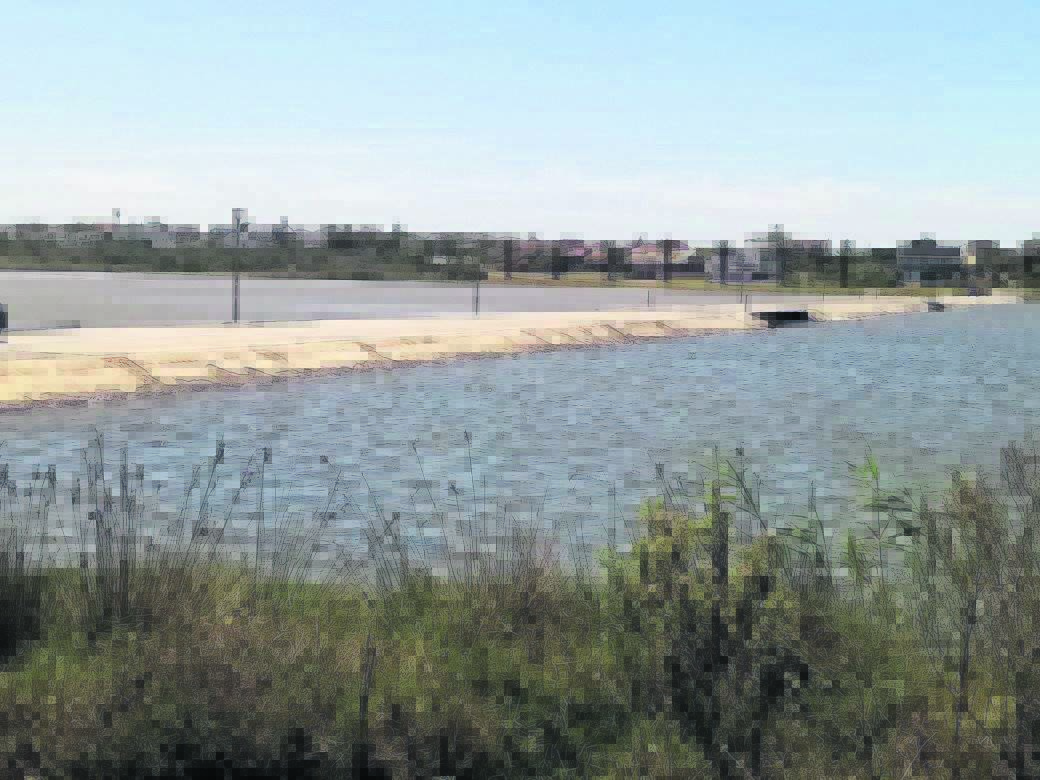

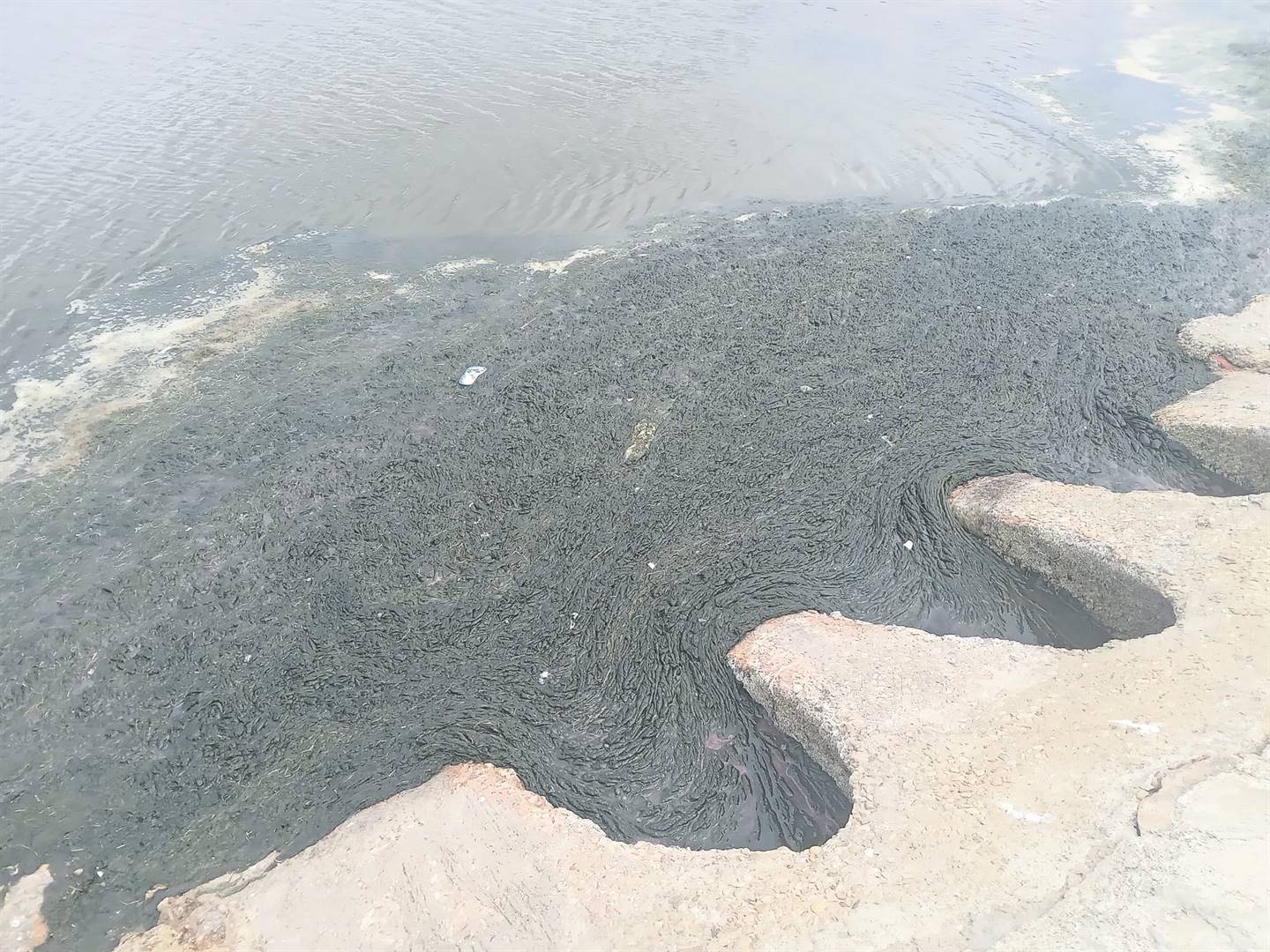
Residents in Aston Bay and Paradise Beach are frustrated with the disgusting stench from the Seekoei Estuary that continues to linger in the area, leaving many feeling ill.
The residents are now demanding answers and solutions from the Kouga Municipality.
David du Plessis, who has lived in Paradise Beach for at least 23 years, said that the stench from the Seekoei Estuary – which has an odour detectable from some distance – has been a problem for many years.
“The stench is so intense that it stays in the air, and you can smell it, see it, and even taste it. The smell makes me feel nauseous when I drive past the lagoon,” said Du Plessis.
He said that residents have been informed that the stench is caused by rotten plants, which he believes to be untrue; instead he suspects that sewage is present in the estuary.
“I do not believe that plants can smell this bad – and that it can smell like sewage,” said Du Plessis.
“I am not a biologist, but I can see that something is wrong with the estuary, and I want to get to the bottom of the problem.”
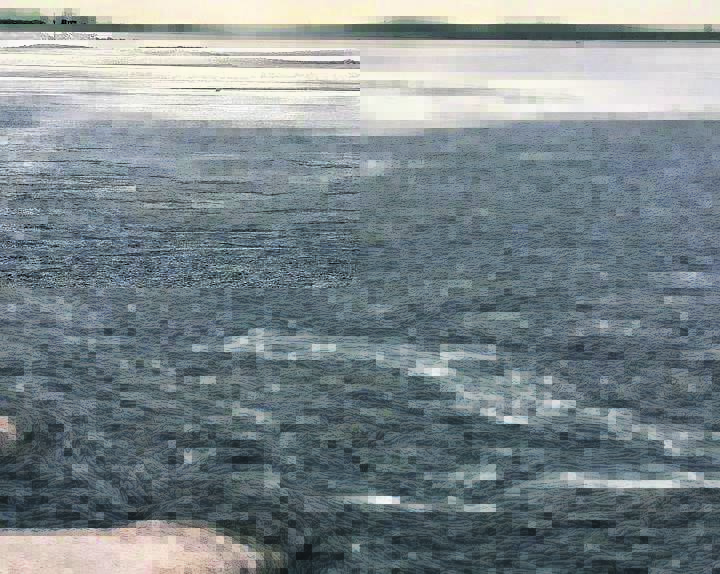
Du Plessis said he was in disbelief when he saw people swimming in the Estuary during the December holiday season.
As previously reported by the Kouga Express, community leader and founding director of non-profit organisation Masikhathalelaneni, Freddie van Rooyen, alleged that untreated wastewater from the Jeffreys Bay Wastewater Treatment Plant had been allowed to travel through the Swart River to the Seekoei Estuary and into the Aston Bay Beach.
Van Rooyen said that the untreated water has continued to travel from the water treatment plant, and the water levels at the estuary continue to rise due to the influx of wastewater.
He said that the community is well-informed about the situation and more people have begun complaining about the stench.
Van Rooyen has also confirmed that he was shocked to see people swimming in the estuary during the month of December.
“The community wants their concerns to be heard and they want to see change,” said Van Rooyen.
He further said that he would like the municipality to release the E.Coli results of the Estuary.
To help people learn more about the untreated wastewater travelling from the water treatment plant, from the end of January, Van Rooyen has taken groups of people on what he calls, “Follow the stream – Trip to the truth”, where they travel from the water treatment plant to Swart River, Seekoei Estuary and then finally to the Aston Bay Beach.
On February 7 Kouga executive mayor, Horatio Hendricks, released a statement denying all allegations of deliberately dumping raw sewage into the Seekoei Estuary.
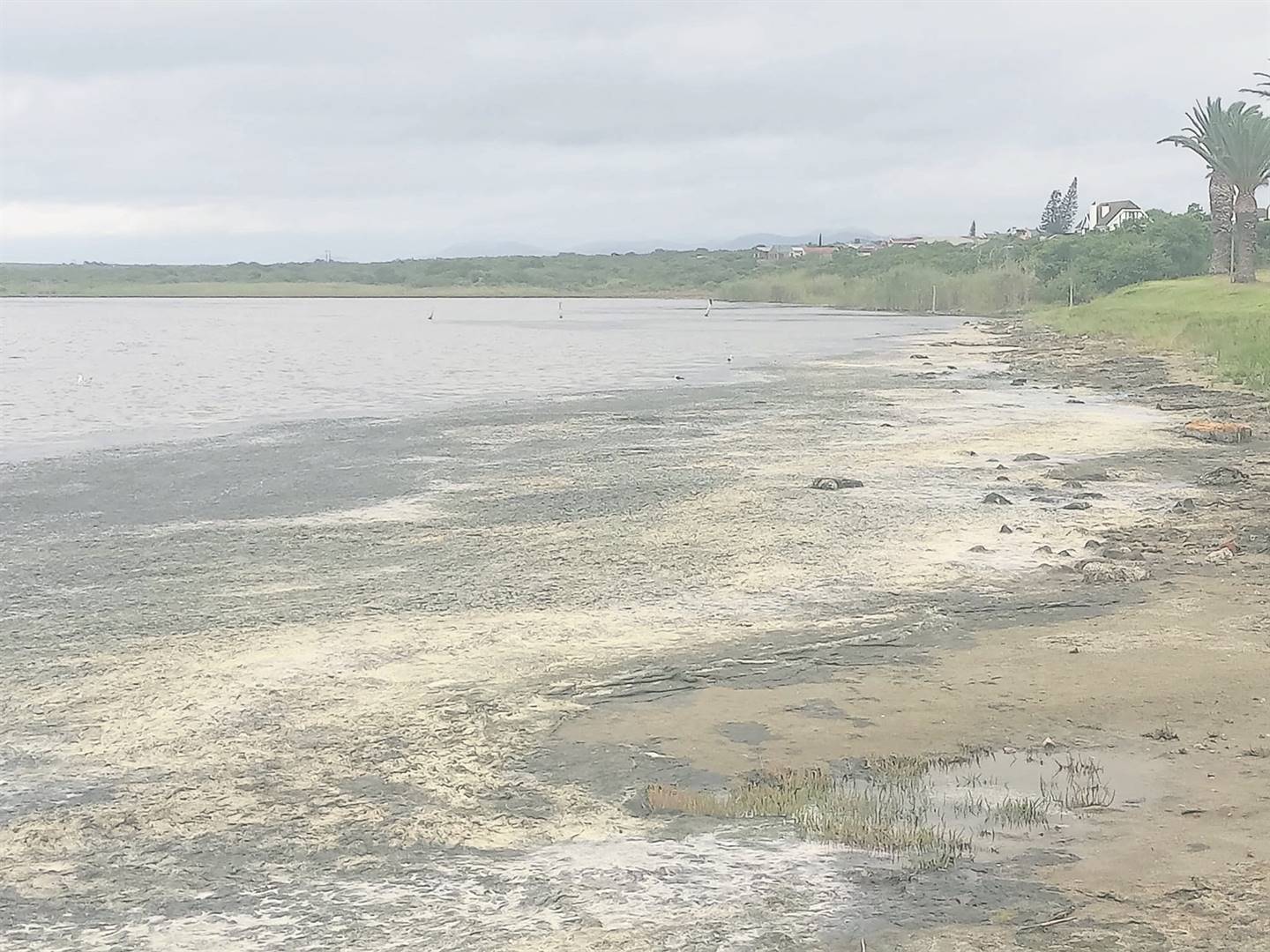
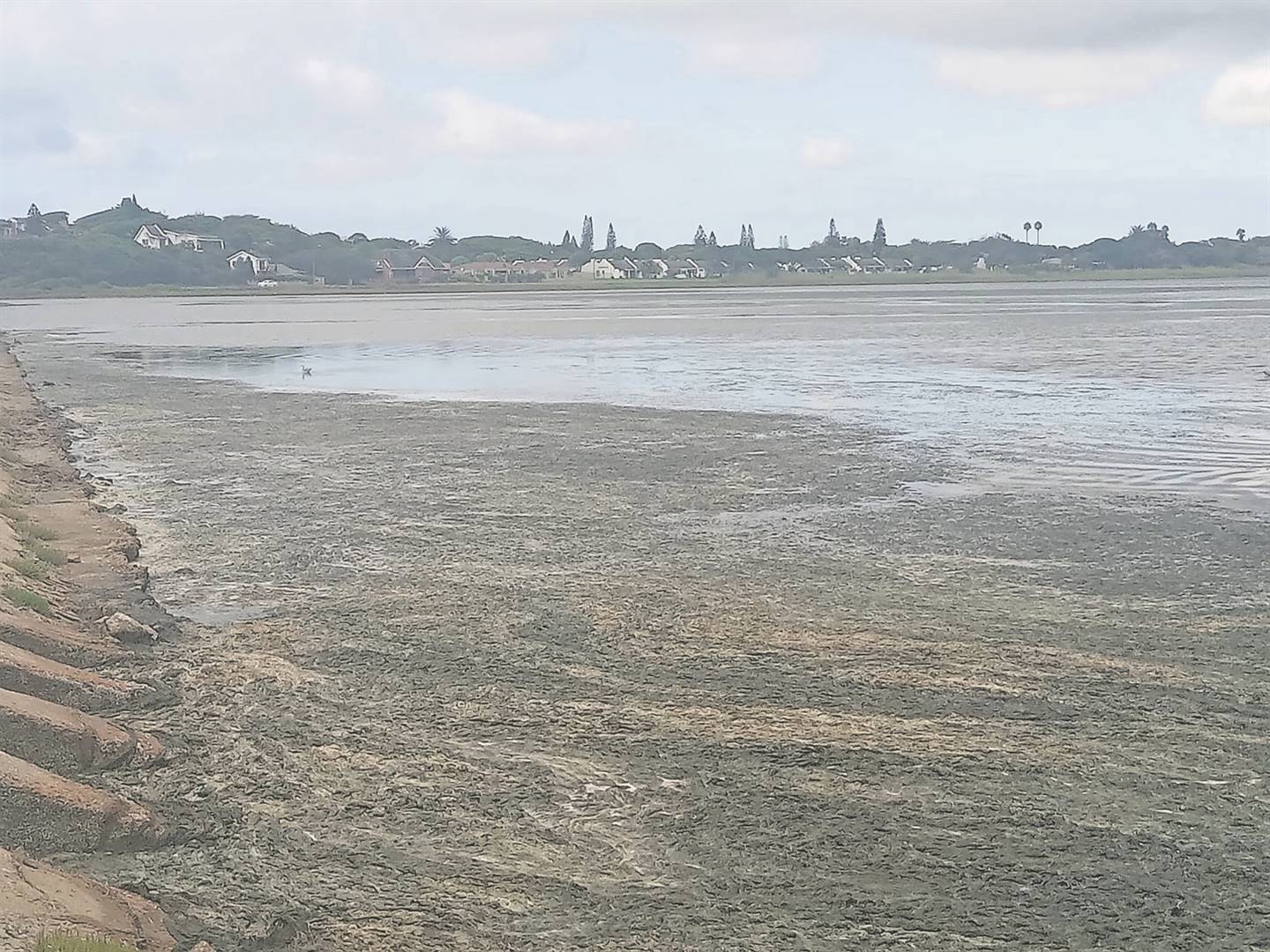
He said that the offensive smell in the area around the estuary was not from raw sewage, but from a natural process called eutrophication which resulted in dead zones, fish kill and algae bloom, with its characteristic extremely unpleasant smell.
Hendricks said that the municipality measured the water quality monthly, and the latest results of the measurements at the inflow into the estuary, taken on January 12, are within required standards.
“More recent measurements have been taken, and we are awaiting updated results,” said Hendricks.
He further said that in December there was a sewage spill due to a blockage which caused a manhole to overflow and the spill entered the stormwater system – eventually entering the Seekoei. However, the spillage was resolved the same morning.
“This would have added to the eutrophication that was already taking place in the estuary,” said Hendricks.
He indicated that the ongoing drought, since 2016, combined with hot temperatures and the lack of fresh water flowing into the estuary – as well as other unidentified factors – continued to contribute to the algae bloom.
Hendricks said that to try to reduce the impact on the environment and the community the municipality removed the dead matter from time to time, using their super-sucker trucks which have been incorrectly reported by residents as being trucks used to discharge raw sewage, which was not the case.
“We assure residents that the Kouga Municipality takes its responsibility towards our natural environment seriously. We abide by our Seekoei Estuary Management Plan which was gazetted on February 11, 2019 (No. 4184), and approved on June 18, 2019, by the MEC Economic Development Environmental Affairs and Tourism,” said Hendricks.
He further said that the municipality had established an Estuary Management Committee to address issues in the catchment area, and they will continue to try to identify the direct causes of eutrophication in the See-koei Estuary, and will take steps to ensure these are contained.
“We would like to urge residents to be our partners in taking care of our environmental assets, to take photographs if they believe any person is doing anything detrimental to the estuary, and to report this to our call centre for investigation.
“The municipality is committed to maintain and update our systems to mitigate against any breakdowns and sewage spills,” said Hendricks.

According to the Provincial Economic Development, Environmental Affairs and Tourism spokesperson, Ncedo Lisani, officials from his department have been to the estuary and have found that the stench was due to extremely low inflow of fresh water, owing to the drought in the region.
“Estuarine systems have large portions of mudflats which are anaerobic. These mudflats produce and release hydrogen sulphate gas in nature which is the rotten egg odour,” said Lisani.
“With the limited inflows of water, flora and aquatic fauna usually succumb to extreme environmental variables such as temperature and over-exposure and the decaying process, whilst normal in a system is not the most pleasant to humans.”
Lisani said that in October last year the allegations of untreated waste material travelling to the estuary were investigated by the National Department of Ocean and Coast and the Department of Economic Development, Environmental Affairs, and the findings were directed to the Kouga Municipality.
Wisane Mavasa, the spokesperson for the Department of Water and Sanitation, said that there had been no case of pollution reported or complaint lodged to her department about the Seekoei Estuary and they had therefore not undertaken any evaluations.