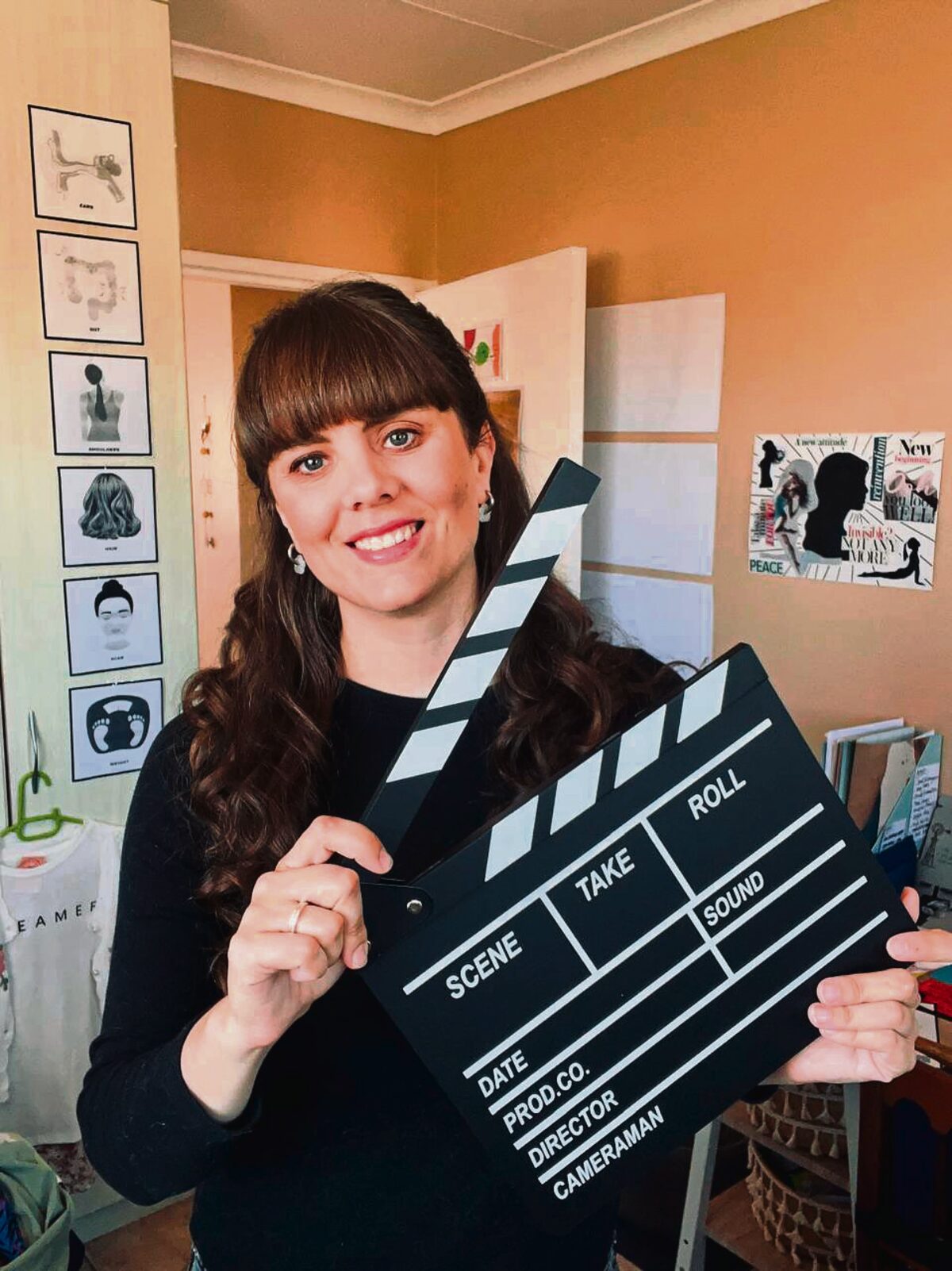

JEFFREYS BAY – Jeffreys Bay filmmaker, Vicki Fourie, is preparing to take her short crime thriller ThisAbility to local and international film festivals following the release of the film’s official trailer, which has already generated strong public interest and support from members of the d/Deaf community.
The film, which was shot in Jeffreys Bay after Fourie secured a prestigious National Film and Video Foundation (NFVF) grant in 2025, follows the story of Abongile, a Deaf teenager who witnesses a murder inside South Africa’s violent taxi underworld and is forced to fight for survival.
Fourie said the reaction to the trailer has been overwhelmingly positive.
“The response so far has been incredibly encouraging. I’ve received messages of excitement, support and pride from friends, industry colleagues, fellow creatives and members of the d/Deaf and disability communities, with many saying they cannot wait to see the full film,” said Fourie.
“It has been very humbling and exciting to witness the enthusiasm already building around the film in such a short time.”
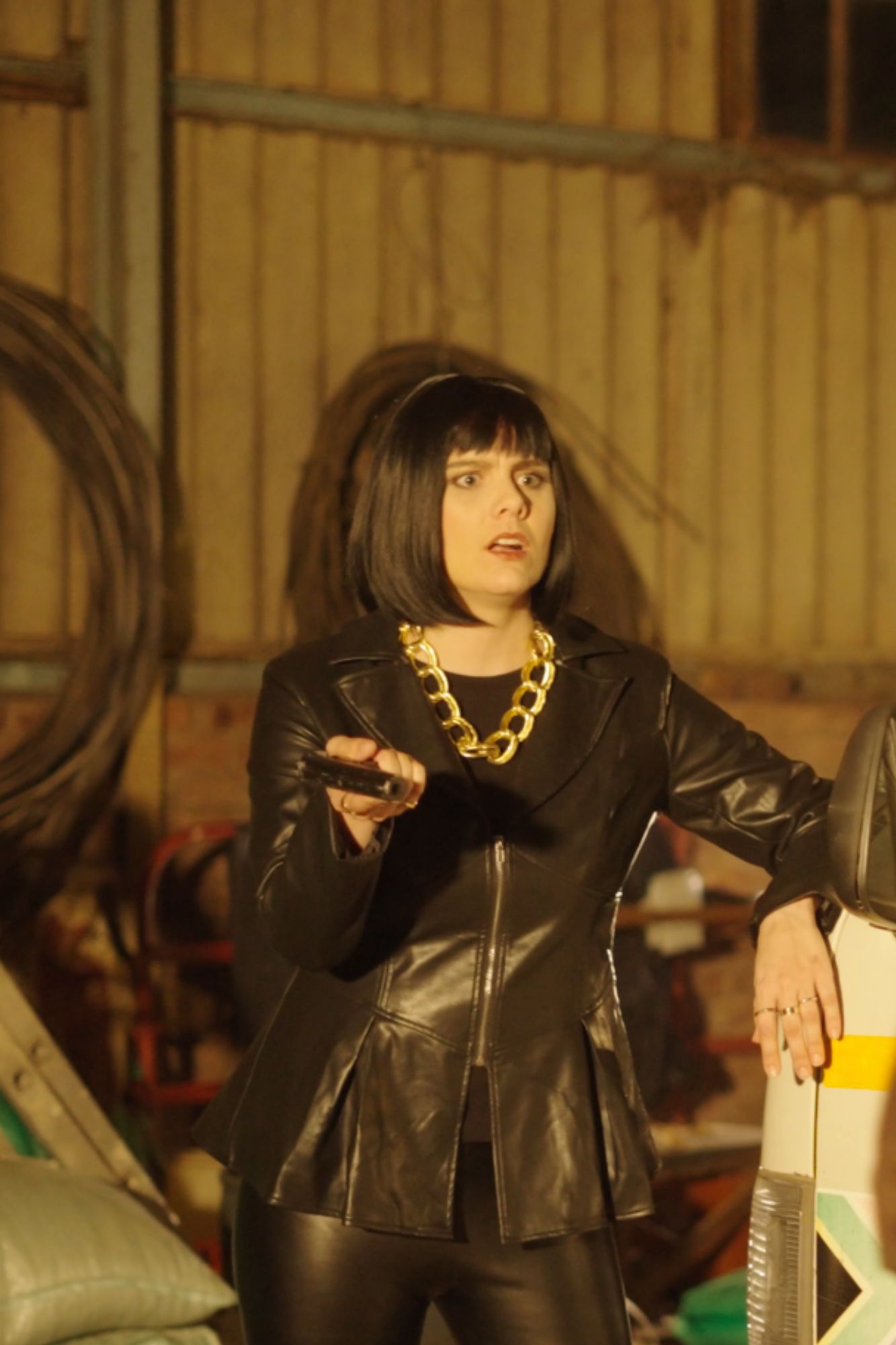
Filming took place in Jeffreys Bay over four days in October last year, with locations including local taxi ranks and a warehouse on Vlakteplaas.
The film stars Xabi Ndodana, as Abongile, and Fiks Mahola, as Mandla, while Fourie herself portrays Patricia, the leader of the taxi syndicate featured in the film.
According to Fourie, one of the main aims of ThisAbility was to challenge traditional portrayals of Deaf characters on screen.
“I believe that the film’s message is resonating with audiences already. Even from the early reactions to the trailer, many people have responded not only to the suspense and emotion of the story, but also to the fact that the Deaf protagonist is portrayed as strong, capable and central to the narrative rather than being defined by limitation,” said Fourie.
She further said the film seeks to move away from narratives centred on pity.
“ThisAbility is not about asking audiences to feel pity; it is about shifting perspective and showing that Deafness can exist alongside strength, intelligence, resilience and power,” said Fourie.
She added that she hopes the film will encourage broader conversations within the South African film industry around representation and inclusive casting.
“I hope ThisAbility will encourage the South African film industry to think more broadly and more inclusively about casting, representation and the kinds of roles d/Deaf performers are allowed to inhabit,” said Fourie.
“Too often, d/Deaf characters are either absent from mainstream storytelling or portrayed only through narratives centred on struggle or pity.”
Although Fourie had originally hoped to cast a Deaf actress in the lead role, she said the production was unable to find the right performer during the casting process.
She said that the team worked carefully to ensure the portrayal remained respectful and authentic.
At the same time, Fourie also appears in the film as a Deaf performer, with her character not framed around her Deafness.
She said that she was simply “part of the world of the story”.
“That balance was important to me because true inclusion means allowing d/Deaf performers to play complex, human roles beyond stereotypes or limitations,” said Fourie.
She further confirmed that submissions to film festivals are currently underway both locally and internationally.
“In South Africa, I am targeting prominent local film festivals and industry platforms that celebrate independent cinema and diverse storytelling. In the United States, the focus is on major international festivals, respected independent film showcases, genre festivals, and disability-focused festivals that highlight inclusive storytelling and representation,” said Fourie.
She added that the film would also be submitted to festivals in Europe, Canada, Australia and South America.
Fourie said that the goal is to position ThisAbility on platforms that not only appreciate cinematic quality, but also embrace accessibility, diversity and authentic representation.
While earlier plans included the possibility of a local premiere in Jeffreys Bay, she said that this would no longer be possible following her relocation to the United States before the completion of the film.
However, she said the Kouga community remained an important part of her creative journey.
“Jeffreys Bay and the Kouga community will always remain a meaningful part of my journey as both a writer and filmmaker,” said Fourie.
“I filmed and built so much of my creative career there, so even from abroad, it means a great deal to share this milestone with the community that supported me for many years.”
Looking ahead, Fourie said she hoped to secure larger-scale financing for future film and documentary projects exploring identity, culture, migration and social issues affecting South Africans.
“I want to continue creating work that is emotionally honest, visually powerful and able to spark meaningful conversations both locally and internationally,” said Fourie.
She also encouraged other d/Deaf and hard-of-hearing creatives to continue pursuing opportunities within the film industry.
“Do not allow society to define your limits for you. Being d/Deaf or hard of hearing does not make your stories less valuable. In many ways, it gives you a unique way of seeing and experiencing the world that can bring something powerful and original to film, writing and storytelling,” said Fourie.
ALSO READ: Welkom pageant queen crowned Little Miss Universe 2026 in Turkey