

US and Iranian officials are due this week to hold their first talks since Iran launched a deadly crackdown on protests, in a meeting likely to be crucial in determining if the US carries out renewed military action against the Islamic republic.
Iranian Foreign Minister Abbas Araghchi confirmed on Wednesday that “nuclear talks with the United States are scheduled to be held in Muscat” on Friday morning, thanking Oman “for making all the necessary arrangements”.
The negotiations represent a high-stakes diplomatic moment between two nations with no diplomatic relations, coming against a backdrop of heightened military tensions and mass killings during Iran’s recent protest crackdown.
Scope of discussions disputed
Tehran has repeatedly stressed that negotiations should remain focused solely on the nuclear issue, but Washington’s top diplomat, Secretary of State Marco Rubio, said they must encompass many other areas of concern.
“In order for talks to actually lead to something meaningful, they will have to include certain things, and that includes the range of their ballistic missiles, that includes their sponsorship of terrorist organisations across the region, that includes their nuclear program and that includes the treatment of their own people,” he said.
The American side has confirmed neither the timing nor the agenda of the negotiations.
Iran is to be represented at the talks by Araghchi and the US by Trump’s Middle East envoy Steve Witkoff, the White House and Iranian presidency have said.
Witkoff, a former real estate mogul, wears multiple hats in foreign policy under Trump and is also actively involved in efforts to end Russia’s war against Ukraine.
Araghchi is a veteran diplomat who has spent his career in the Iranian foreign ministry, gaining a reputation as a skilled and patient negotiator. A fluent English speaker, he studied for his PhD on Islamic political thought at England’s University of Kent.
Military action remains on the table
Trump has not ruled out fresh military action against Iran should the talks fail, to follow the US attacks on Iranian nuclear sites during Israel’s June war against the Islamic republic.
“I would say he should be very worried, yeah, he should be,” Trump said of supreme leader Ayatollah Ali Khamenei on Wednesday in an interview with NBC News. “As you know, they are negotiating with us.”
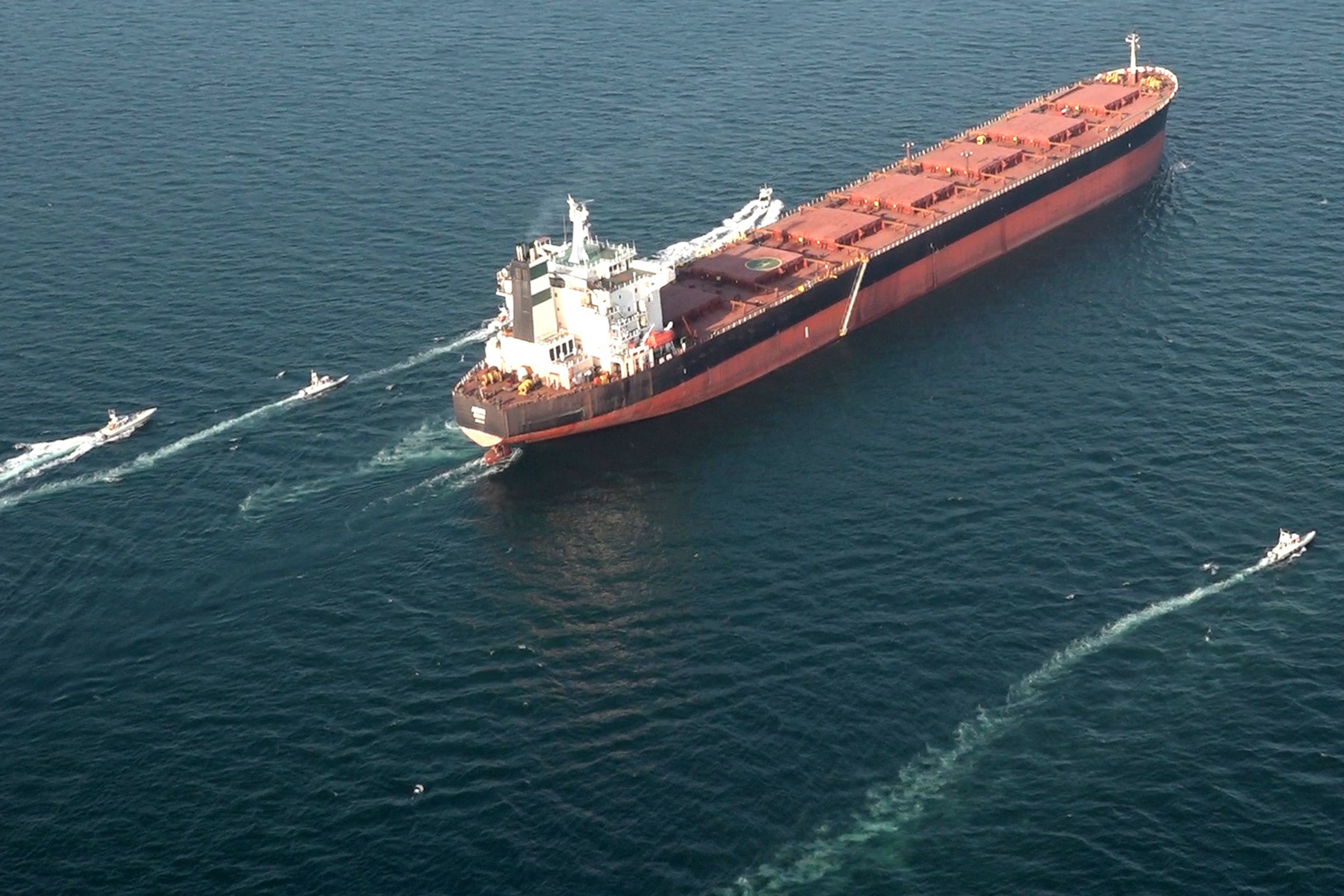
The US has sent a battlegroup led by the aircraft carrier USS Abraham Lincoln to the region, while Iran has threatened retaliation against US bases and vessels in the Middle East if it is attacked.
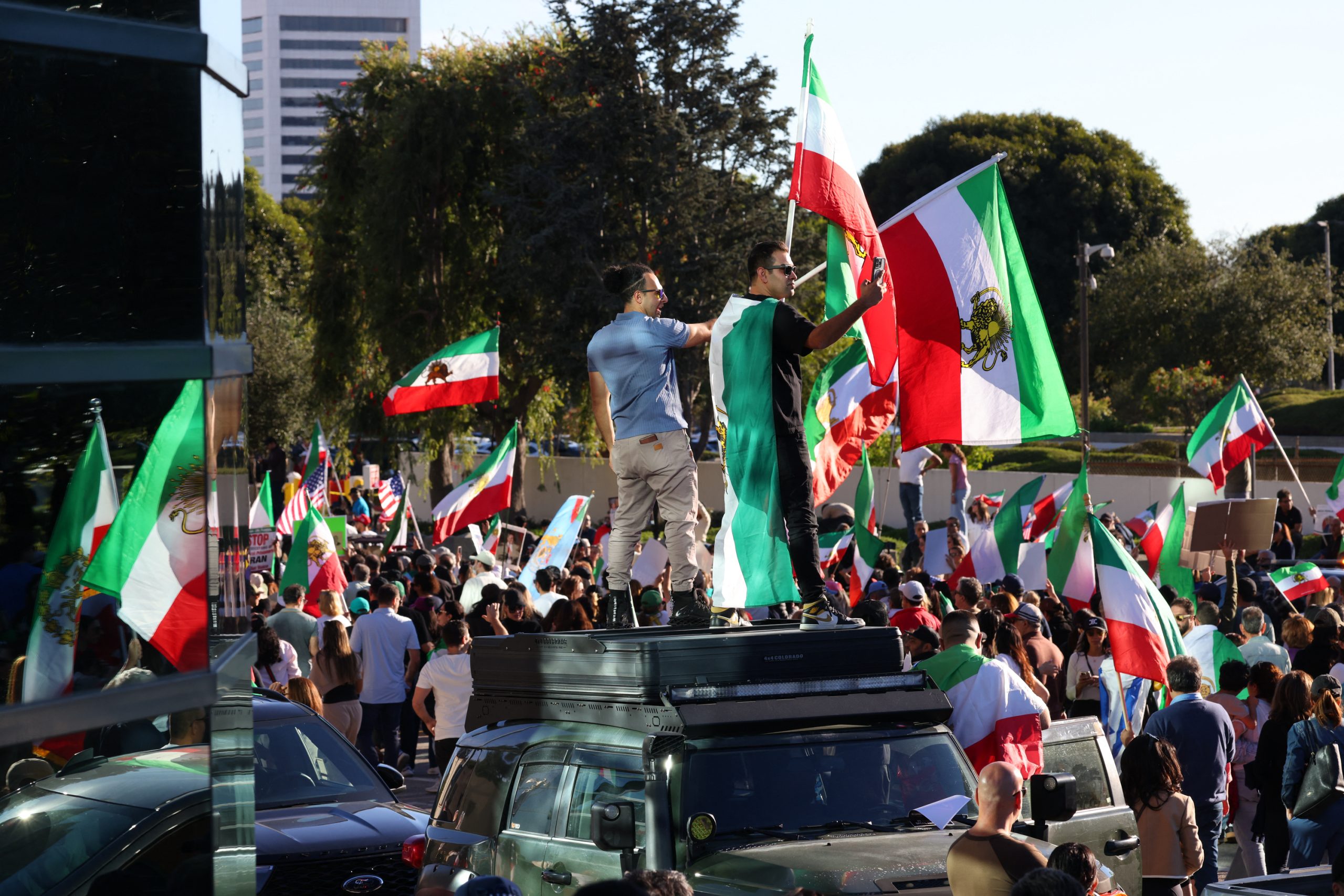
Tensions between the two foes rose in the wake of the crackdown on a wave of protests by Iranian security forces, which has left thousands dead according to rights groups.
But it remains unclear what form any American military intervention would take, ranging from targeted strikes against military infrastructure to a bid to uproot the clerical system under Khamenei that has ruled Iran since the 1979 Islamic revolution.
Competing objectives
Trump’s initial calls on Tehran last month were focused on telling the leadership to “stop killing” protesters and warning the authorities not to execute those arrested.
But his focus has shifted to agreeing a new deal on the Iranian nuclear programme, which the US and its allies believe is aimed at making an atomic bomb.
Washington also wants to curtail Iran’s support for proxy forces in the region and cut its vast arsenal of ballistic missiles.
Iran has repeatedly stressed that any talks should focus solely on the nuclear issue and not its missile programme or defence capabilities.
Venue shift
Initial indications suggested the meeting would be held on Friday in NATO member Turkey, whose President Recep Tayyip Erdogan, a pious Sunni Muslim, has on occasion had testy relations with the Shiite theocracy in Tehran but was eager to mediate.
Talks are now expected to take place in Oman, as subsequently confirmed by Araghchi, but the scope of the discussions needs to be agreed upon, an Arab diplomat told AFP on Wednesday.
Another regional source with knowledge of the talks said Iran wanted the talks to be “exclusively” with the United States without the involvement of regional powers and to deal only with the nuclear question.
“If the Iranians want to meet, we’re ready,” Rubio told reporters. “They’ve expressed an interest in meeting and talking. If they change their mind, we’re fine with that too.”
Tense atmosphere in Iran
Iran is recovering from what rights groups have described as unprecedented mass killing during the crackdown, under the cover of a weeks-long internet blackout.
In a sign of the tense atmosphere, the Tehran municipality issued a statement on Wednesday saying loud sounds in the city centre were due to a religious holiday and not any other cause.
A new billboard appeared in Tehran showing American planes crashed into a hillside with Iranians flying the flag of the Islamic republic above.
Prominent Iranian news agency Fars, seen as close to the security forces, has in recent days published images of US bases in the Middle East without comment.
ALSO READ: Iran declares readiness for war amid growing protest crisis