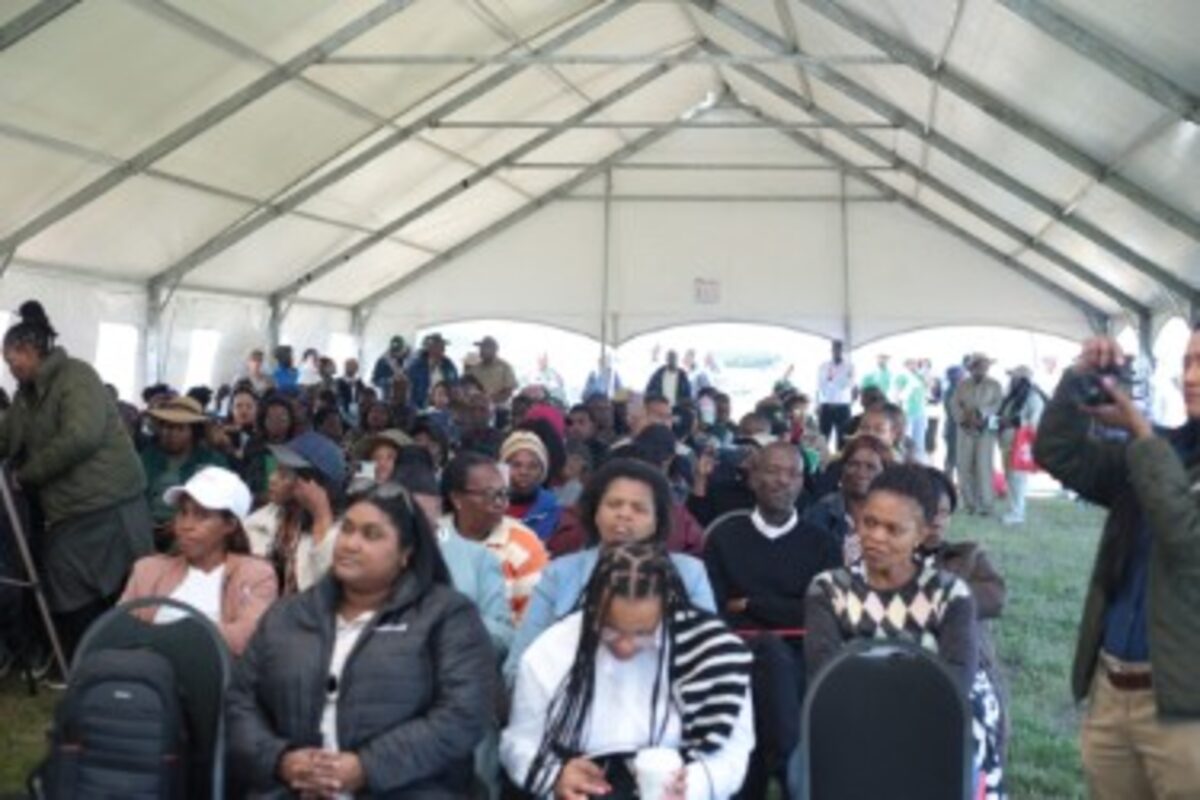


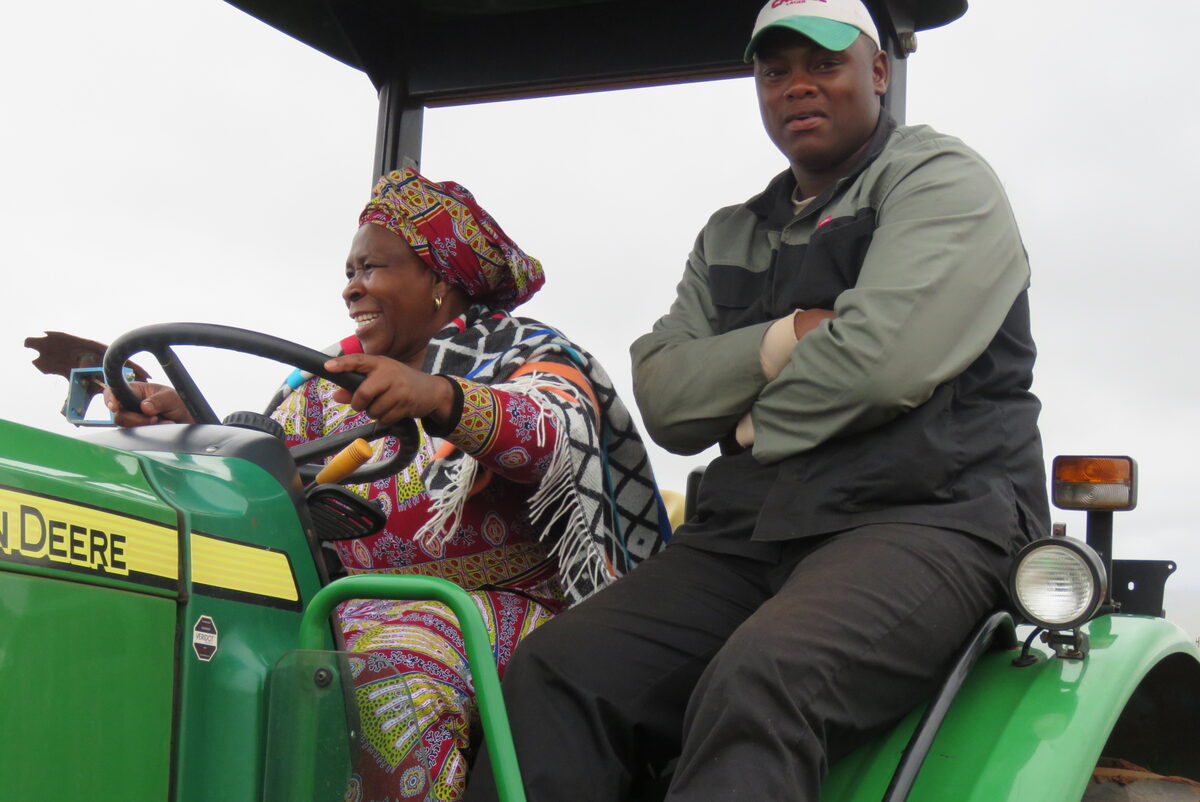
The MEC for the Department of Agriculture in the Eastern Cape, Nonceba Kontsiwe, officially launched the R100 million 2025/26 Cropping Season in Bhaziya Village, outside Mthatha, last week. The event, held during World Food Security Month, served as a platform for MEC Kontsiwe to champion the role of youth in agriculture and to outline the provincial government’s multi-pronged approach to tackling food insecurity and poverty.
Kontsiwe IS committed to encouraging and supporting young people to join the agricultural sector. She deliberately used the youth-owned agribusiness, Jay Jay Farming, based in Mputi Village near Mthatha, to showcase excellence and the opportunities available in the sector. “We are here to show farmers that if they start something, the Department is here to support them. We are using these young farmers, who have achieved so much, to showcase excellence. I am glad to see young men and women working so hard,” she said.
She further stated that agriculture is the only way forward and that young people should view the sector as the province’s key economic driver.
Addressing the perception that agriculture is only for the uneducated, Kontsiwe urged young people to change their mindset. She highlighted mentorship programmes designed to assist new entrants in producing high-quality yields for a better income.
She noted that the owners of Jay Jay Farming have not relied solely on the Department, although it supports them significantly, but have also sought assistance from the private sector for mentorship and other resources. “The key priority of the Department is to fight and eradicate poverty, and farmers like these are helping us achieve that.”
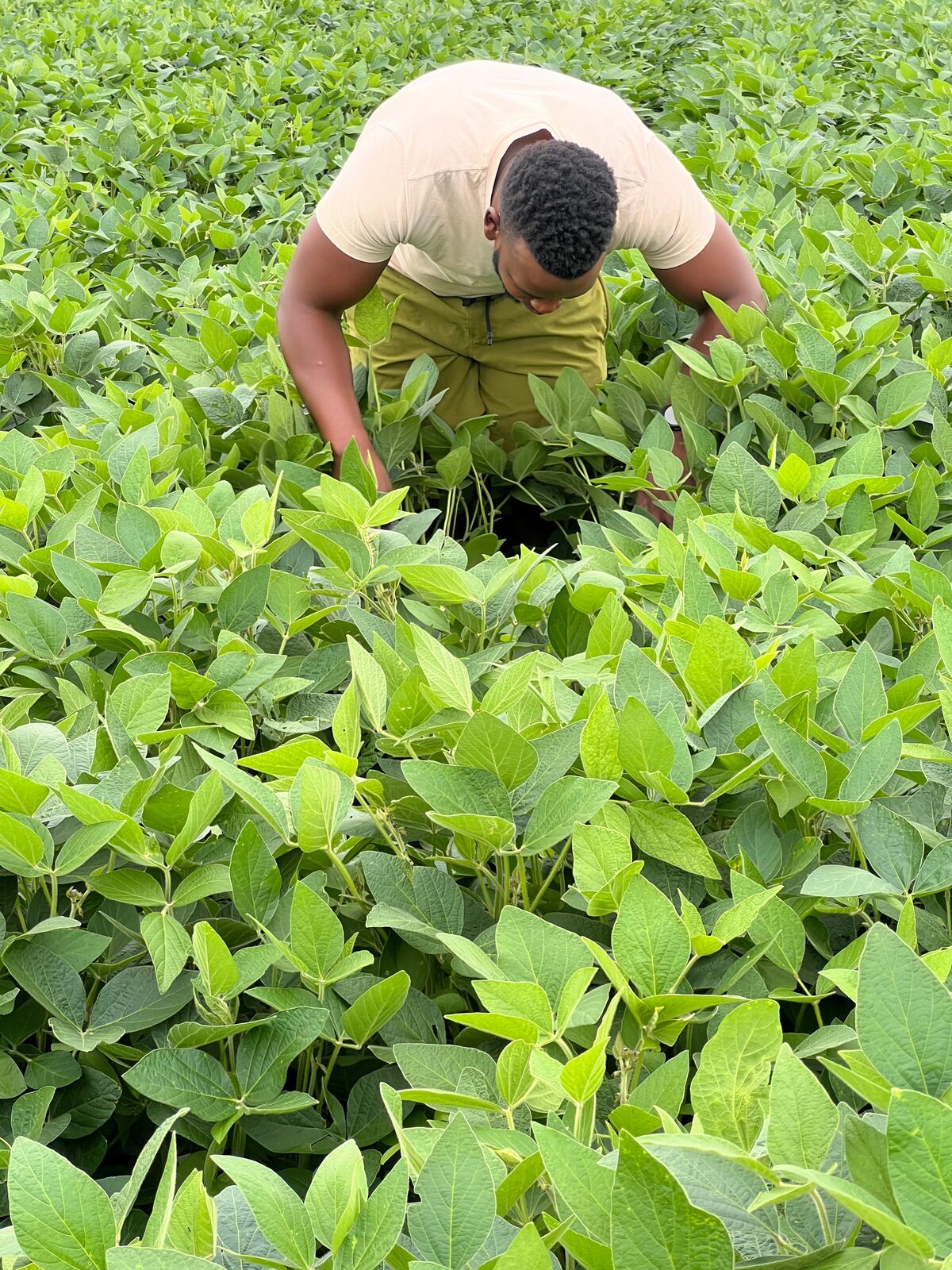
Jay Jay Farming co-owner, Sipho Joyi, shared their success story, explaining that the enterprise produces grains such as yellow and white maize and soybeans, as well as vegetables including potatoes, cabbages, spinach, and green mealies. “It has been seven years since we started farming. We have faced many challenges, but we stood firm and continued. Today, we are proud that we can put food on the table for ourselves and for the families of those we employ,” said Joyi.
The farm currently employs 12 permanent workers and up to 50 seasonal workers during planting and harvesting seasons, and it leases ploughing fields from the local community.
For the current season, Jay Jay Farming plans to plant 130 hectares of soybeans (supported by Land Bank and DoA partner, Ukhanyo Development Farmer), 500 hectares of maize (supported by the Department), and 2 hectares of potatoes (through a partnership with the DoA and Potato SA).
“It has not been an easy journey, but we are happy that many families benefit from this. We lease land from community members. At first, there were challenges when livestock damaged our crops. We expected compensation, which caused tensions. But after engaging with the landowners, we have built good working relationships.”
Chairperson of the Community Development Committee under Chief Minenkulu Joy’s Great Place, Mbuzeli Ngoloti, said traditional leaders play an active role in supporting agricultural initiatives. “As you have seen, our fields are supported by our Great Place. Our farmers do not always have their own land, so they lease fields from community members through agreements that promote cooperation. This also helps fight hunger, as farmers employ many young people. We are happy because this shows progress,” said Ngoloti.
He added that fencing the fields would be a great help, as many community members do not have children to look after their livestock.
Provincial representative of the African Farmers’ Association of South Africa (AFASA) in the Eastern Cape, Joe Mnyengo, said the organisation represents farmers at both national and provincial levels as an umbrella body for various commodity groups. “Farmers often raise concerns about a lack of support, but we understand that the Eastern Cape’s funding comes from the national allocation. Even though the budget is small, they make sure that farmers benefit. We continue engaging with the national office to increase the budget so it can meet farmers’ needs,” said Mnyengo.
He added that he had attended this event to applaud the Department. “We represent more than 15 commodities, and when you check our WhatsApp groups, almost 99% of farmers speak positively about the service delivery happening here in our province.”