

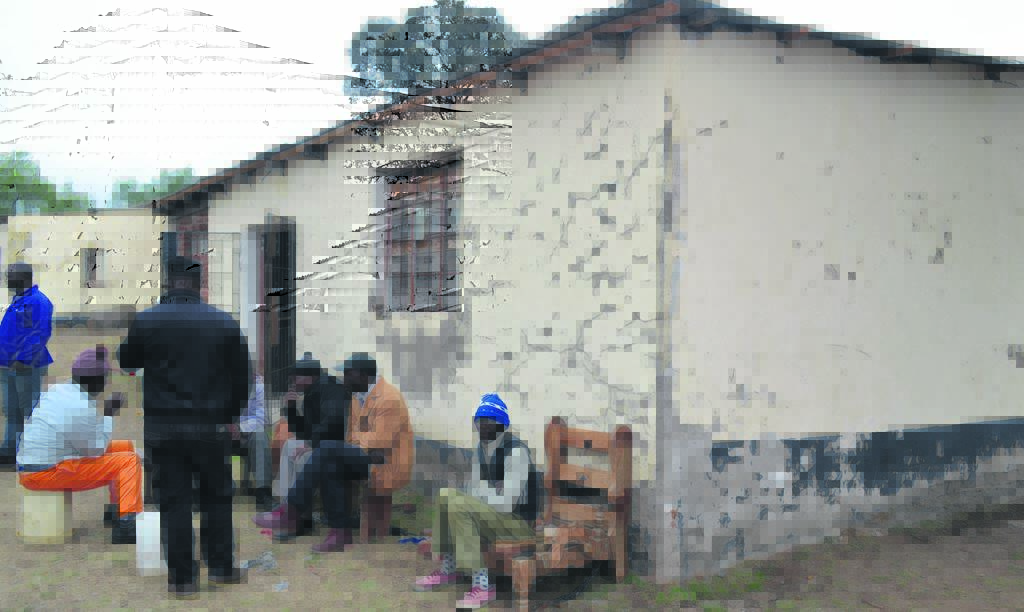
AN initiation school in Machibini Village, in the Chris Hani region, which has been operating for more than 15 years without a single death, faces closure for “undermining the custom”.
With seven initiates having died in the Chris Hani district this season (the highest of any district), Eastern Cape MEC for Cooperative Governance and Traditional Affairs, Xolile Nqatha, visited the region on Monday, accompanied by traditional leaders and the district’s initiation forum.
They visited the Embo Madoda initiation school, before going to Cofimvaba and the Frontier Hospital, where five young initiates had been admitted.
Nqatha said he expected Embo Madoda to have closed its doors by June next year if it continued operating in a brick house instead of a grass hut.
“Seeing an old custom undermined this way is unacceptable. Initiation schools should be built from grass, far from residential areas, where upon completion of initiation, the grass structure is burned to the ground, symbolising a state of leaving boyhood behind and entering into manhood; not this,” said Nqatha.
He also expressed his concerns about health hazards caused by overcrowding. Embo Madoda has 28 initiates, being looked after by four traditional nurses.
“This place is too small. It poses a health risk. When the June initiation season starts, this place must have closed,” he said.
But the school operator, Sithembele Yamaphi, who has 22 years’ experience as a traditional surgeon, without a single death, said Nqatha and his group didn’t know what they were talking about.
He produced documents signed by a Chris Hani District Municipality’s health and community services unit official, giving him the green light to conduct his business.
Other organisations that had endorsed the school, which is registered with the Companies and Intellectual Property Commission (CIPC), included the Eastern Cape NGO Coalition, ANC Chris Hani region, Enoch Mgijima Local Municipality and Amafa Ethu Consultants.
“Embo Madoda circumcision school has the permission to treat initiates or hold a circumcision school in terms of section 5 of the Application of Health Standards in Traditional Circumcision Act, 2001,” read an Eastern Cape NGO Coalition certificate.
A court order of March 2014, issued by the Ezibeleni Magistrate’s Court, had prevented community leaders from closing the school down.
“The initiates’ parents are happy. I have all the necessary documents. This school isn’t going to close.
“What kills initiates is depriving them from water and food. My initiates eat three times a day and we have eight caregivers – four look after the initiates and four in the kitchen. When the need arises, everyone attends to the initiates,” he said.
“I have five doctors from Komani who come here regularly. If a boy runs out of medication, the doctors supply it for free,” he said.
Nqatha said irregularities in the initiation processes would result in his department deducting money from traditional leaders’ salaries, as they had failed to safeguard the custom.
But Chief Siviwe Hebe said preliminary investigations suggested that the initiates’ deaths weren’t related to circumcision, but to historical medical complications.


