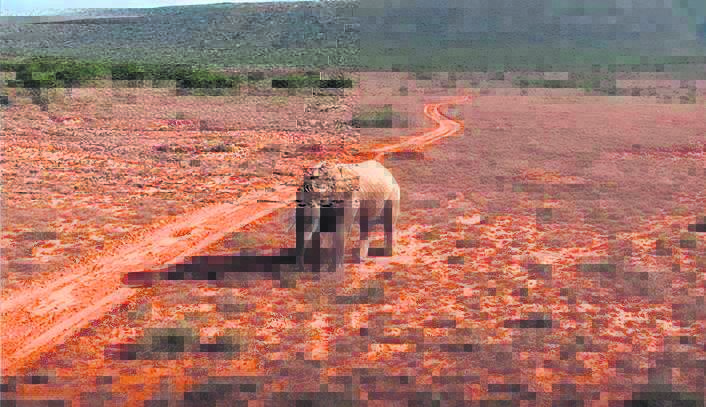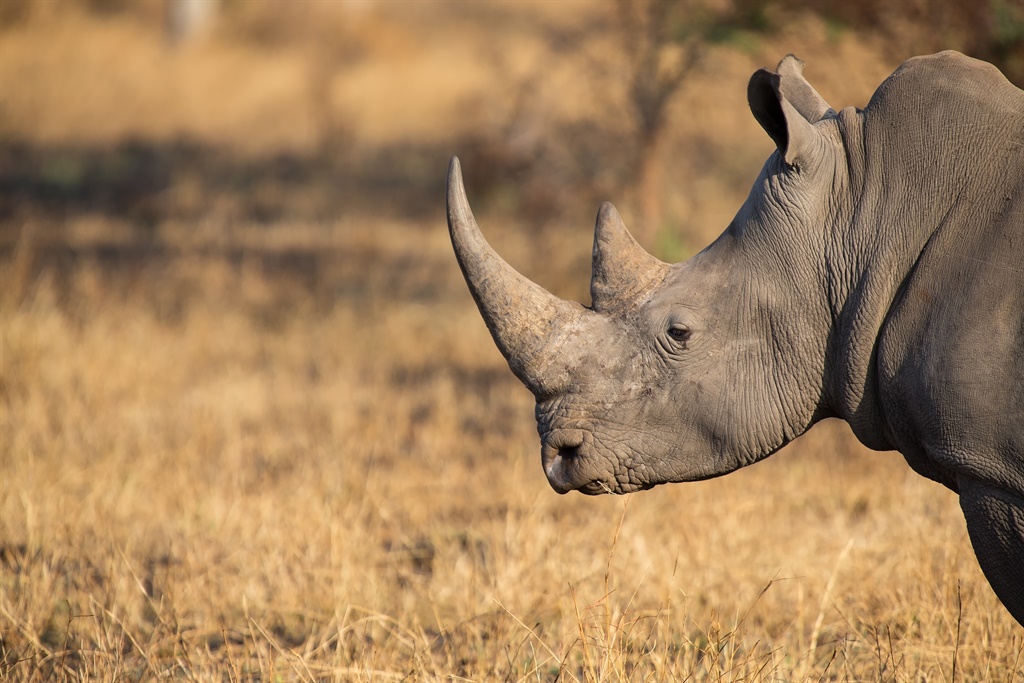

LOCATED in South Africa’s remote Great Karoo region, the 14 000 ha game reserve, Mount Camdeboo, offers a natural habitat where wildlife, including rhinos, roam freely.
Sadly, these formidable African creatures are not always free from poachers.
Mount Camdeboo Private Game Reserve, managed by Newmark Hotels, recently embarked on a project to dehorn its rhinos. Built on the pillars of conservation to fiercely protect its wildlife and surrounding ecosystem, reserve owner, Iain Buchanan said, “Rhino poaching is one of the most pressing conservation issues we’re facing. Dehorning is a sad intervention but poaching is a reality, and, we need to make every effort as part of a multifaceted wildlife management approach to save the much-loved and iconic rhino.”
Any rhino killed due to poaching has far-reaching consequences, often resulting in the loss of an unborn foetus, or a dependent calf, as well as having a direct impact on their social structure and breeding. The result is a weakening of their natural genetic refinement, thereby endangering the species even further.
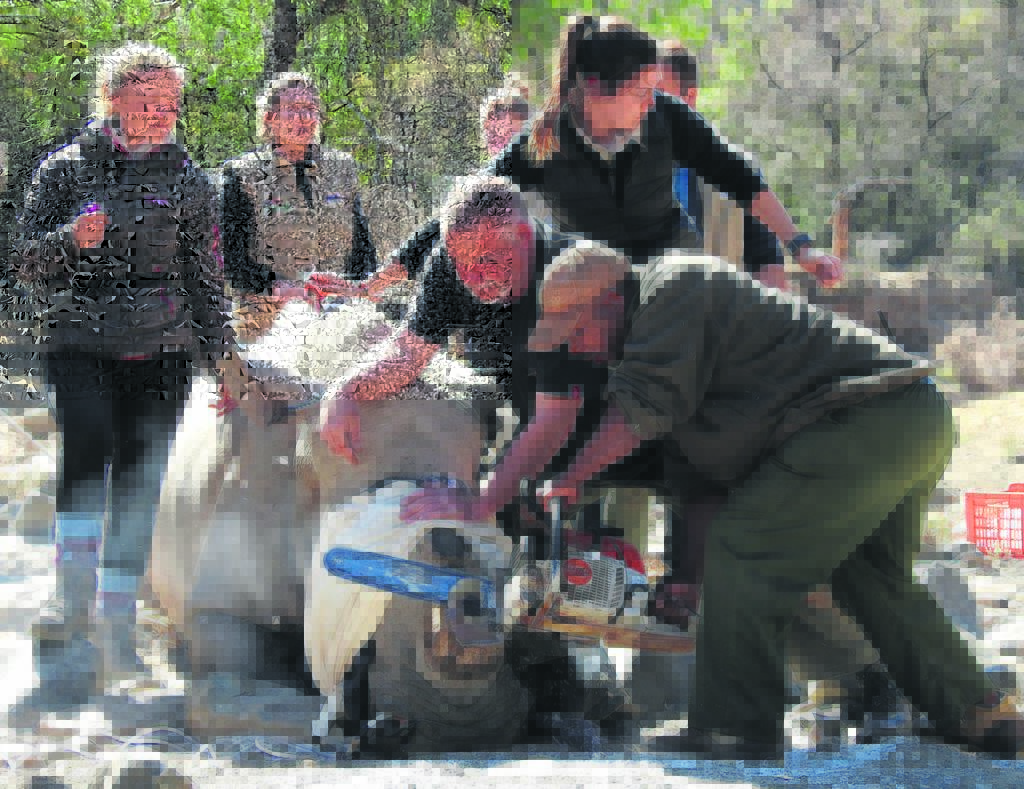
The selective dehorning of the rhinos entailed a highly specialised operation led by veterinarian, Dr William Fowlds.
He said that rhinos at Mount Camdeboo had been hit hard by poachers in 2014/2015 and that, despite the reserve’s remote location, poachers were still placing these animals under severe threat.
While it is heartbreaking for them to remove the horns, knowing the consequences, it does deter poachers from killing rhino and helps with broader conservation practices.
During the dehorning procedure, every effort was taken to ensure minimal distress and discomfort to the rhinos, who were, while immobilised, also tagged with new tracking devices to monitor them. DNA and blood samples were also taken to assist with the team’s research.
Peter Chadwick, Mount Camdeboo’s conservation reserve manager, facilitated and oversaw the successful dehorning operation and reiterated the emotive sentiment felt by everyone who was part of this intervention.
“I have mixed feelings – while the dehorning reduces the poaching pressure on the rhinos and gives us time to set-up longer-term anti-poaching initiatives, I think it’s a conservation tragedy, in that it necessitates these steps to protect these innocent animals. The rhino epitomises Africa; it’s part of our soul. If we lose the rhino, we lose a part of ourselves.”
Mount Camdeboo Private Game Reserve is committed to keeping its rhino protected and the dehorning is an essential part of the holistic approach to anti-poaching and rhino management. The reserve’s employees – some of who also participated in the dehorning operation – have also felt the disruptive effect of poaching.
“Being part of this dehorning experience was a monumental moment in our lives – we are doing something to protect nature. It was amazing for us to witness, first hand, that there are people like the vet, his team and the veterinary students, who care about saving our rhinos.
“We need to protect the rhino, because if we don’t, who will,” Chadwick said.