


KAROO – The deadline for public comment on the proposed regulations governing hydraulic fracturing closed on Friday, 13 February, marking a significant moment in South Africa’s ongoing debate over shale gas development in the Karoo.
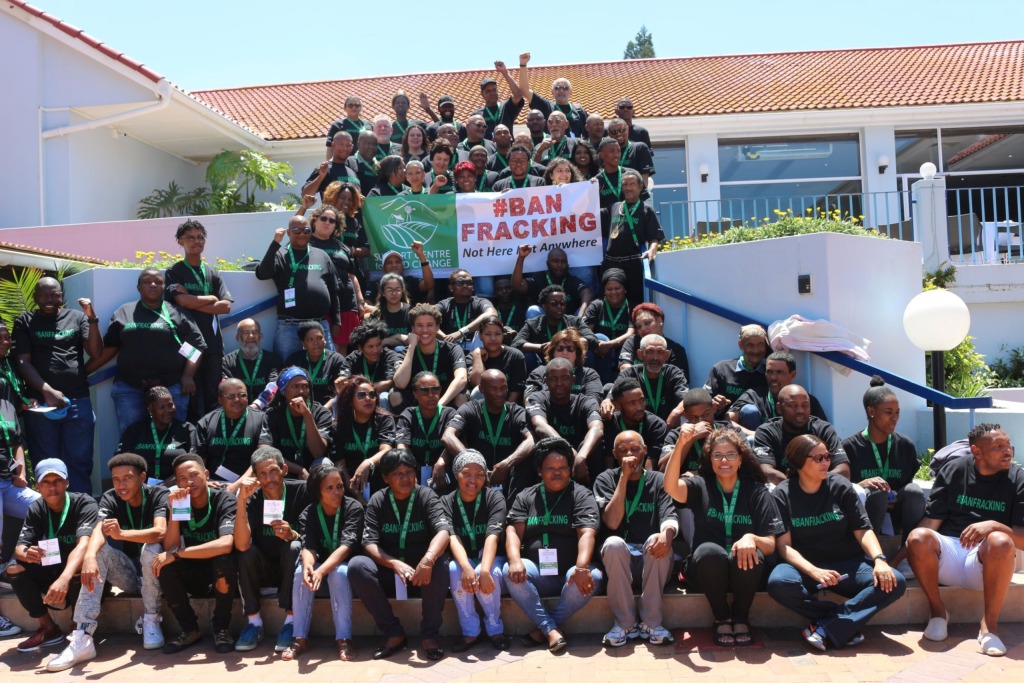
The regulations, published by the Department of Forestry, Fisheries and the Environment, seek to establish the legal and technical framework for the exploration and production of onshore petroleum resources requiring hydraulic fracturing, commonly known as fracking.
The stated purpose of the regulations is to regulate shale gas exploration and extraction by prescribing standards for well design and integrity, chemical disclosure, wastewater management, environmental monitoring and compliance enforcement. Government has framed the regulations as an attempt to allow energy development while mitigating environmental risks associated with the high-pressure injection of large volumes of water mixed with sand and chemical additives into underground rock formations.
READ MORE: WATCH | Stormwater management crisis in Dr Beyers Naude Municipality
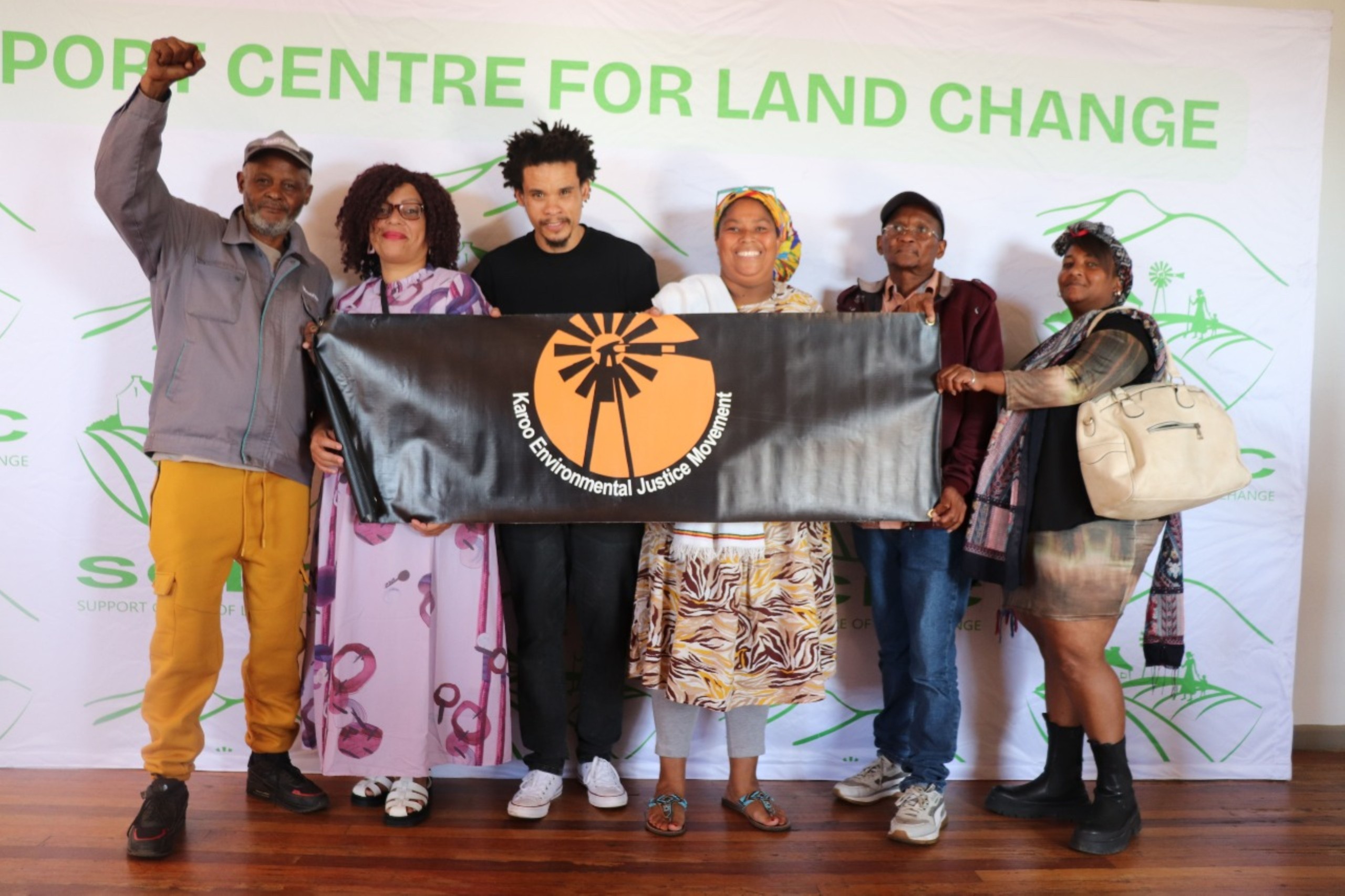
The Support Centre for Land Change (SCLC) – a Graaff-Reinet-based NGO that has been opposing fracking in the Karoo since 2012 – and the Karoo Environmental Justice Movement (KEJM) have formally objected to the proposed fracking regulations, arguing that the draft framework fails to meet constitutional and environmental safeguards.
They contend that the Karoo is a fragile, water-scarce region almost entirely dependent on groundwater accessed through boreholes and complex fracture-dependent aquifer systems that are insufficiently mapped and highly vulnerable to contamination.
In their submission to the department, the organisations warn that hydraulic fracturing poses serious risks including well casing failure, methane migration, induced seismicity and long-term aquifer contamination.
Even a low-probability contamination event, they argue, could cause irreversible harm in a region where groundwater is often the only reliable source of water for domestic use, agriculture and ecological sustainability.
SCLC and KEJM ground their objection in Section 24 of the Constitution, which guarantees the right to an environment not harmful to health or wellbeing and requires environmental protection for present and future generations.
They argue that the regulations do not adequately apply the precautionary principle contained in the National Environmental Management Act, nor do they sufficiently address cumulative groundwater impacts, long-term liability, socio-economic vulnerability or intergenerational risk.
The organisations have indicated that promulgating the regulations without addressing these concerns could render them susceptible to judicial review under the Promotion of Administrative Justice Act.
Beyond groundwater risks, SCLC and KEJM argue that the Karoo’s agricultural economy depends on secure and uncontaminated water supplies, and that any degradation would undermine livestock production, crop cultivation and rural employment.
They further raise concerns regarding indigenous and cultural rights, noting that for indigenous communities, water is closely tied to identity, spirituality and heritage.
The organisations argue that the regulations do not sufficiently guarantee meaningful consultation or the integration of indigenous knowledge systems into decision-making processes.
Climate considerations also feature prominently in their submission.
They argue that the expansion of shale gas extraction is inconsistent with South Africa’s commitments under the Paris Agreement.
They point out that methane, the primary component of natural gas, has a significantly higher short-term global warming potential than carbon dioxide, raising concerns about fugitive emissions and long-term climate impacts in a region already affected by recurring drought.
The debate over the new regulations takes place against the backdrop of a landmark 2017 High Court judgment in favour of the Treasure the Karoo Action Group (TKAG) and AfriForum.
In this case, the court set aside earlier fracking regulations on the basis that they had been promulgated by the incorrect minister and were therefore invalid.
The ruling clarified that environmental regulation of hydraulic fracturing falls within the mandate of the environmental authorities, not solely the mineral resources department.
The judgment reinforced the principle that fracking cannot proceed without a lawful, properly authorised regulatory framework that complies with constitutional and environmental legislation.
The newly proposed regulations are, in part, an attempt to cure the procedural defect identified in that judgment by placing the regulatory framework within the environmental portfolio.
However, critics argue that while the jurisdictional issue may have been addressed, substantive constitutional and environmental concerns remain unresolved.
They contend that compliance with the court ruling requires not only correct ministerial authority but also full alignment with constitutional environmental rights, precautionary principles and meaningful public participation.
AfriForum reiterated the warning that fracking in the Karoo could place communities at serious risk since the process requires considerable volumes of water and carries a significant risk of contaminating groundwater and surface water.
They argue that, in a country ranked 22nd globally on the World Resources Institute’s water stress index, exposing limited water supplies to such risks is unacceptable.
They also dispute assertions of significant economic gains, maintaining that the potential consequences of water loss and pollution outweigh the promised benefits of growth and job creation.
AfriForum further cautioned that the draft regulations assume the government can ensure safe and responsible fracking – an assumption they question in light of repeated regulatory failures in the mining and industrial sectors.
With the public comment period now closed, the future of fracking in the Karoo once again hinges on whether the final regulations can withstand constitutional scrutiny. The issue remains not only an energy policy question, but a broader test of environmental governance, water security and the balance between economic development and constitutional environmental rights in South Africa.
READ MORE: The Free State is being engulfed by collapsing road infrastructure




You must be logged in to post a comment.