
VULTURE populations are faced with overwhelming threats and populations are declining at alarming rates.
Fewer than 4 200 Cape vulture breeding pairs remain, with colonies in Namibia, Zimbabwe and Swaziland having already become extinct. African White–backed Vultures have declined by more than 96% over the last few decades.
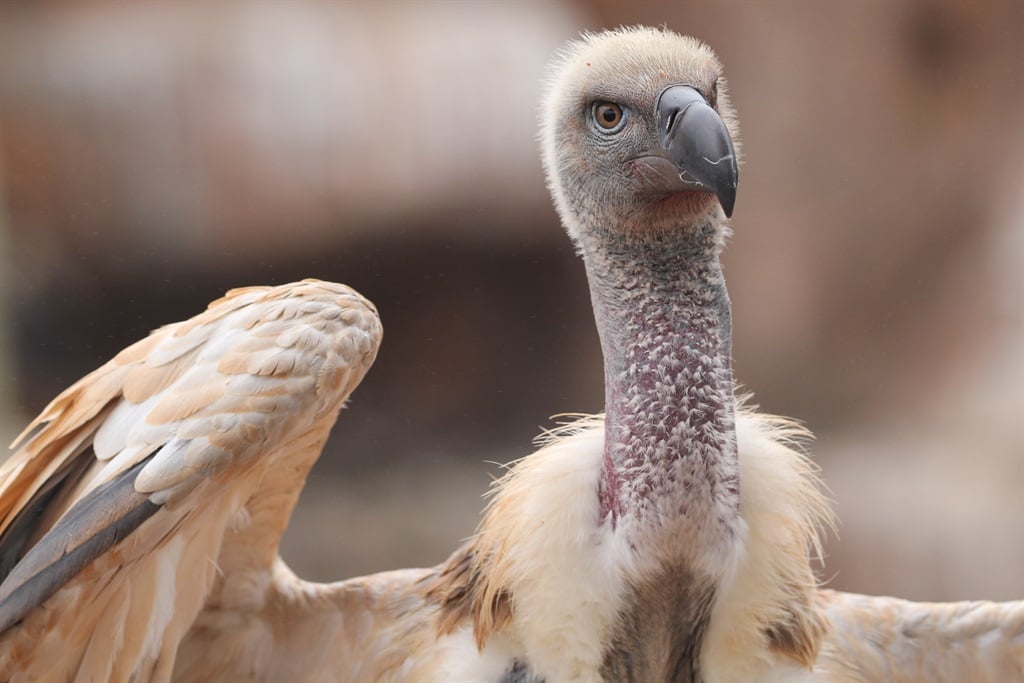
Despite this, the next generation of vultures have arrived, and vulture chicks are spreading their wings to leave the nest. Unfortunately, the first few weeks of flight are also when fledglings are at their most vulnerable.
They can easily exceed their limits and become stranded. Unable to return to their nest, they are very susceptible to starvation and dehydration. Without intervention, they will certainly die.
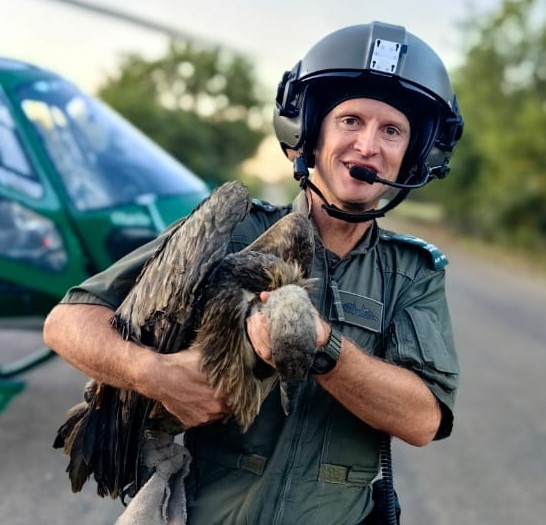
VulPro pleads with the public to be on the lookout for young birds in distress so that they may collect and rehabilitate as many of them as possible to curb further population declines. With proper treatment, these fledglings will be released again in no time.
Just last week VulPro took in an injured Cape vulture fledgling from the Eastern Cape, having lost a lot of weight and also having collided with a fence in an attempt to get airborne.
So far, the bird is showing signs of progress towards making a speedy recovery.
Should the public encounter a fledgling or any grounded or disabled vulture, please contact VulPro on 082 808 5113 or 086 505 6470. For Eastern Cape emergency cases, please contact VulPro on 082 702 5942.
) For more information on VulPro, visit their website at www.vulpro.com.