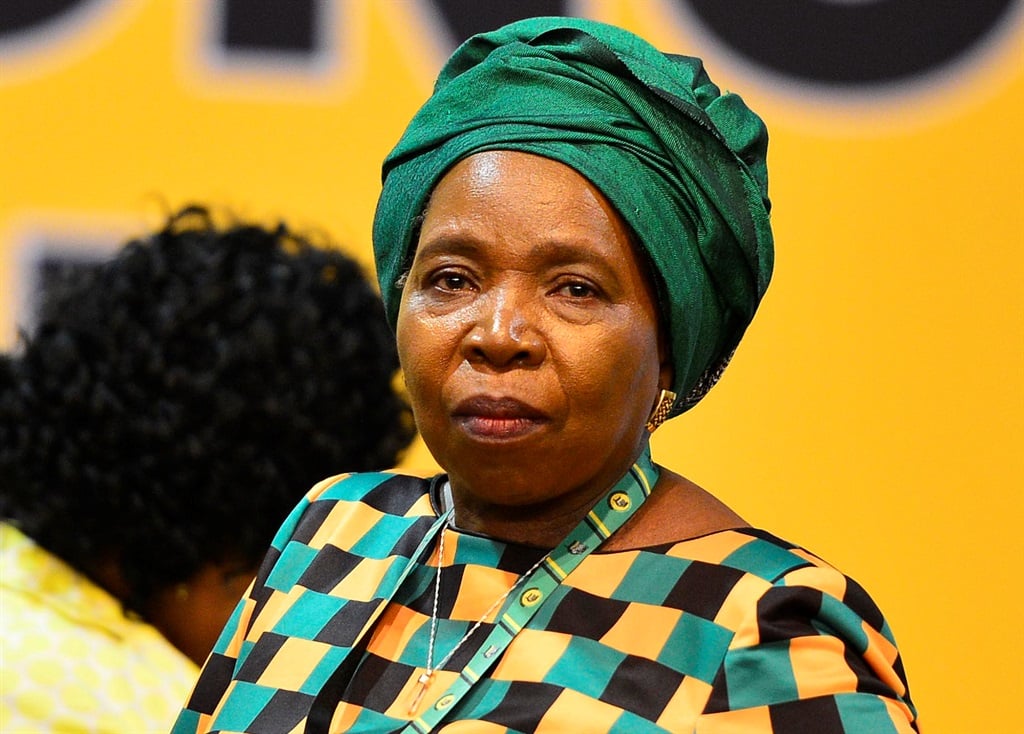

Rolling mass action, including total closure of Komani, will be the order of the day until Cooperative Governance and Traditional Affairs Minister Nkosazana Dlamini-Zuma touches down to address the community and set in motion to dissolve Enoch Mgijima Local Municipality.
This follows a two-day shutdown on January 26 and 27. The protest followed regular power outages, due to dilapidated municipal electrical infrastructure, lasting up to 16 days at times.
Potholes and refuse not being collected are some of the challenges facing the trouble local authority.
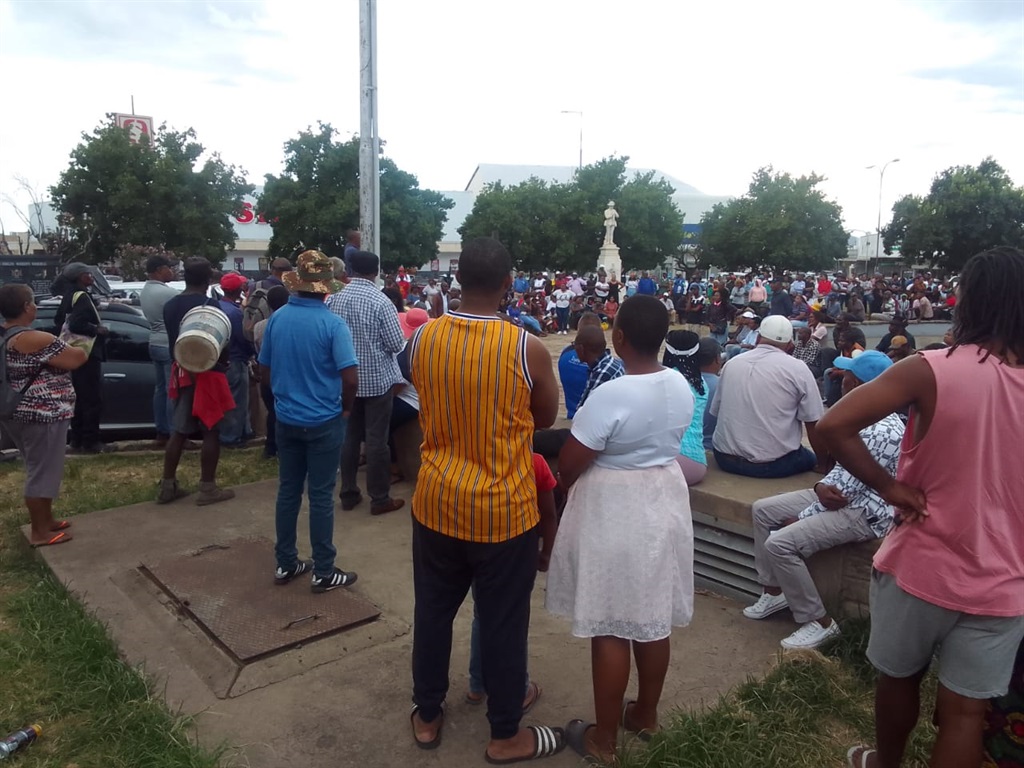
Speaking on the sidelines of the community meeting on February 1 at the Thembisile Chris Hani Hexagon – Komani Protests Action (KPA) leader Bonile Gongqo said the meeting was to give a report to the community after a meeting with a team sent by Dlamini-Zuma.
He said the officials sent by the minister had requested for more time, but the KPA leadership had refused and sent the team packing.
“We want the municipality dissolved and we want Dlamini-Zuma to address us as a community of Komani. The municipality could have solved the problems we have a long time ago had they had the capacity,” said Gongqo.
He said this was a sign of a vote of no confidence to the municipal leadership.
“We don’t want anyone else to come here and address us except for the minister. As from Monday, we will shut the town down and no business will function. We will shut down even the Magistrate’s Court. We will wait for the minister in the streets rendering the town ungovernable,” said Gongqo.
Addressing the crowd, one of the leaders Axolile Masiza said after the dissolution of the municipality, community members will have three months in which they should elect leaders among them.
He said the leaders to be chosen should not be politicians or political parties but community members themselves.
Asked about the repercussions of total closure of businesses on local economy and families, Gongqo said, “we have no problem with that.”
Dlamini-Zuma’s spokesperson Lungi Mtshali had not responded to a list of pointed questions at the time of writing.
Lisle Clark, chairman of the Border-Kei Chamber of Business in Komani, told Razaan Plaatjies that the protest was initially a peaceful march which allowed businesses to operate, however, it quickly escalated and businesses soon had to shut their doors due to what he describes as “opportunistic individuals who wanted to hijack the march for their own political agenda.”
“Businesses were forced to shut down, to prevent opportunistic looting,” said Clark.
He said the purpose of the march was to call for the Enoch Mgijima council to be dissolved due to the lack of service delivery, the general state of the town and the deeply entrenched culture of corruption.
ALSO READ | Protest action continues in Komani
“Businesses were negatively impacted by the protest because they had to close for two full days, losing much needed revenue. On the backdrop of the COVID-19 pandemic and devastating load shedding schedules, the two-day shutdown was devastating,” said Clark.
He said on January 31, a meeting was held with the Komani Protest Action (KPA) Group who organised the shutdown, the Border-Kei Chamber of Business, and the Civic Ratepayers Association.
Clark said the KPA wanted to meet to get support and buy-in from the business fraternity.
“We all want to see the town work and a collaborated effort that is not disadvantageous to business and the community is critical,” said Clark.
“This is still a developing story, and we are hoping that either of the ministers will take the shutdown serious enough to give the citizens and businesses of Komani an audience.”