

IF more parents become actively involved in the early literacy-learning of their children, we would see a significant improvement in the state of literacy in South Africa.
This is according to literacy activists, Lelethu Pikoko (24) and Wendy Mtolo (23), from Newvalle and eMachibini, respectively.
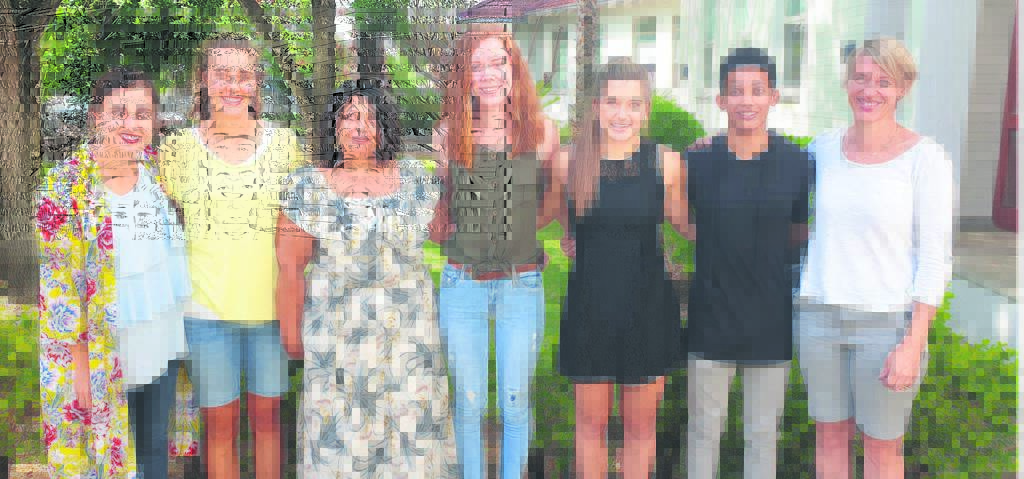
Pikoko and Mtolo form part of a group of young change-drivers, known as Story Sparkers, who are supporting 40 early childhood development (ECD) centres across Komani, East London and Tsholomnqa. The network of 10 Story Sparkers is part of Yizani Sifunde, a new literacy project designed to address some of the literacy challenges facing the Eastern Cape.
Yizani Sifunde (isiXhosa for ‘Come, let’s read’) is funded by the Liberty Community Trust and implemented in partnership with three prominent literacy NGOs: Nal’ibali, Book Dash and Wordworks. Its focus is on nurturing the early literacy foundations of very young children, setting them up well for when they learn to read and write at school.
As Story Sparkers, Pikoko and Mtolo support the ECD centres and reading clubs by delivering specially produced children’s books in isiXhosa and helping the staff to bring these books and stories to life in their classrooms.
“I think the most important part of my work is encouraging parents to become active supporters of their children’s literacy learning, particularly at home,” said Pikoko. “For children to thrive in school and life, they need to be surrounded by caring adults who create safe and stimulating environments for them that are filled with opportunities to play, imagine, listen to, think and talk about stories both at home and at school.”
For Mtolo, the best part of the work is playing a significant role in shaping the futures of young children.
“I wish more parents would express interest in their children’s literacy skills development,” said Mtolo. “Children who are regularly supported at home show steadier and more consistent progress than those whose learning opportunities end in the classroom. This is a clear indication that if parents became more involved, there would be an increase in our literacy rates,” she added.
Pikoko and Mtolo offer the following tips to parents who are looking for ways to be more involved in their children’s literacy learning:
. Make time to read visually stimulating storybooks with your children every day. Bedtime storytelling is a great starting point! To access Nal’ibali’s free print and audio stories for children, visit: www.nalibali.org or WhatsApp ‘Stories’ to 060 044 2254.
. Encourage children to read stories that are appealing or relevant to them. Children show more interest in stories they relate to. Five hundred free Book Dash books can be read online at www.bookdash.org in a variety of languages.
. Make reading a fun and interactive exercise by pausing to stop and discuss the story with your children. You can also include singing and body movements. To access Wordworks home literacy programmes, including informal activities for children aged 0-8, and mini lessons for children in Grade R and Grade 1, visit wwhomeliteracy.org.za.
- For more information about Yizani Siunde, contact Lindelwa Keswa on?Lindelwa.k@nalibali.org
– ISSUED BY NAL’IBALI