MTHATHA – The Eastern Cape provincial Department of Health has invested R416 million in the construction of a new Oncology Unit at the Nelson Mandela Academic Central Hospital (NMAH) in Mthatha, a move that could see cancer patients saving up to 800km of travelling to the nearest treatment facilities.
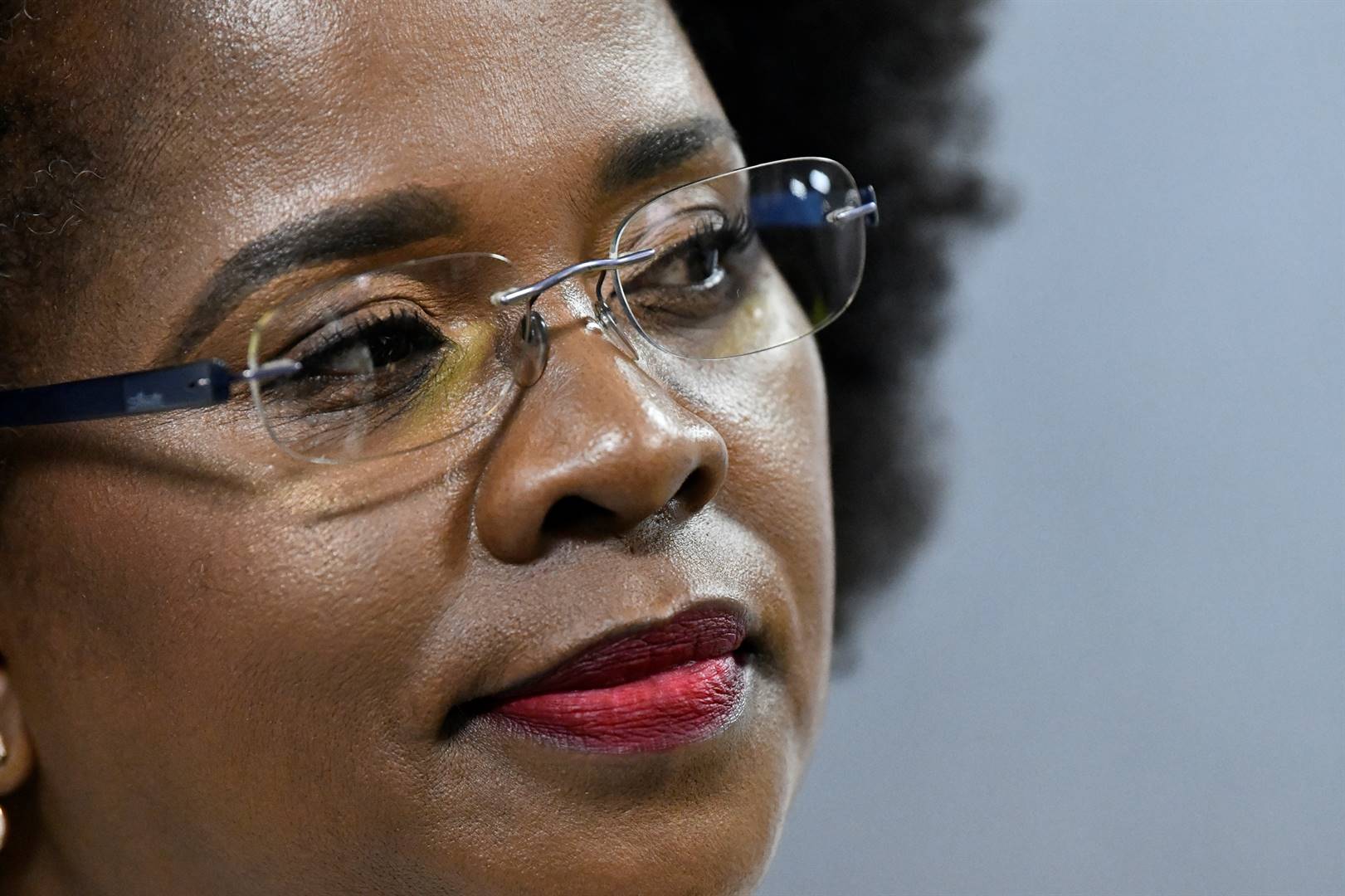
Health MEC, Ntandokazi Capa, was delivering her Budget and Policy speech at the Eastern Cape provincial legislature on 25 March.
She said the unit will include critical equipment – two linear accelerators valued at R42 million each and a brachytherapy machine valued at R26 million.
The unit will be officially opened on 18 July, the late statesman Nelson Mandela’s birthday.
“This investment responds directly to the growing cancer burden in our province. Currently, the Nelson Mandela Academic Central Hospital provides only chemotherapy services, while patients requiring radiotherapy are referred to Frere and Livingstone Hospitals, travelling distances of up to 600 – 800km.
“There are no dedicated oncology wards, no inpatient oncology services, and paediatric oncology is not available, with children referred outside the region. The demand is significant.”
Capa added that NMAH managed thousands of cancer cases, led by breast cancer with 5 763 cases, followed by cervical cancer at 3 616, prostate cancer at 1099, oesophageal cancer at 831 cases and lung cancer at 483.
The new unit, Capa said, was supported by an additional R96.4 million for commissioning and staffing in the 2026/27 financial year.
The 68-bed facility will have 30 male, 30 female and 8 paediatric beds and will bring fully integrated oncology services under one roof.
“For the first time, patients in the eastern region will access both chemotherapy and radiotherapy services in Mthatha, including advanced treatment, planning and follow-up care. This is more than infrastructure. It is access. It is dignity. It is the end of long, costly journeys for care and a decisive step towards improving cancer outcomes in our province,” Capa said.
Changing the tune to focus on the National Health Insurance (NHI), Capa said the department was putting its commitments into action.
“The Department has begun piloting a proof of concept for the contracting of Primary Health Care services in the Ingquza Hill Local Municipality and OR Tambo District, across 21 facilities. This pilot is testing how services will be contracted and delivered under NHI. All participating facilities are implementing the Health Patient Registration System (HPRS), a national digital platform that assigns a unique patient identifier and establishes a master patient index for all users of primary health care services.
“We are already seeing encouraging progress. To date, 14 out of the 21 facilities have been certified as compliant by the Office of Health Standards Compliance.”
Capa said in areas such as Flagstaff, where access to doctors remained significantly below the national average, the model was specifically designed to address inequities and expand access to quality care.
The fight against TB and HIV – she said – was not symbolic but active, targeted and delivering results. Prevention remained central to the department’s response. The province was scaling up the Pre-Exposure Prophylaxis programme.
During the third quarter, her department distributed 9.3 million male condoms and 687 700 female condoms. Capa said Premier Oscar Mabuyane will this year launch the Lenacapavir long-acting injection, which will be rolled out across 49 facilities in four districts and two metros.
“This is a significant advancement in HIV treatment, as patients will receive an injection twice a year, offering a long-acting alternative to daily oral medication. The rollout will prioritise high-burden districts, facilities serving large and vulnerable populations and key groups including adolescent girls and young women, men who have sex with men, sex workers and transgender persons. The 49 facilities are distributed as follows: eight in Alfred Nzo, 12 in Buffalo City Metro, 13 in Nelson Mandela Bay and 16 in OR Tambo District,” she said.
Tuberculosis continues to present a serious but manageable challenge. The treatment success rate currently stands at 71.4%, below the target; while the TB death rate is at 6.5%, and loss to follow-up is at 15.5%.
These outcomes are largely driven by late presentation to healthcare facilities and gaps in patient follow-up.
In response, the Department is intensifying early detection through community outreach; strengthening treatment initiation and retention through Operation Phuthuma; and targeted interventions in underperforming districts.
For the 2026/2027 financial year, the department has set aside an amount of R222m budget for the Community Health Worker programme in the Community Outreach Services component (COS) within the District Health Programmes grant.