

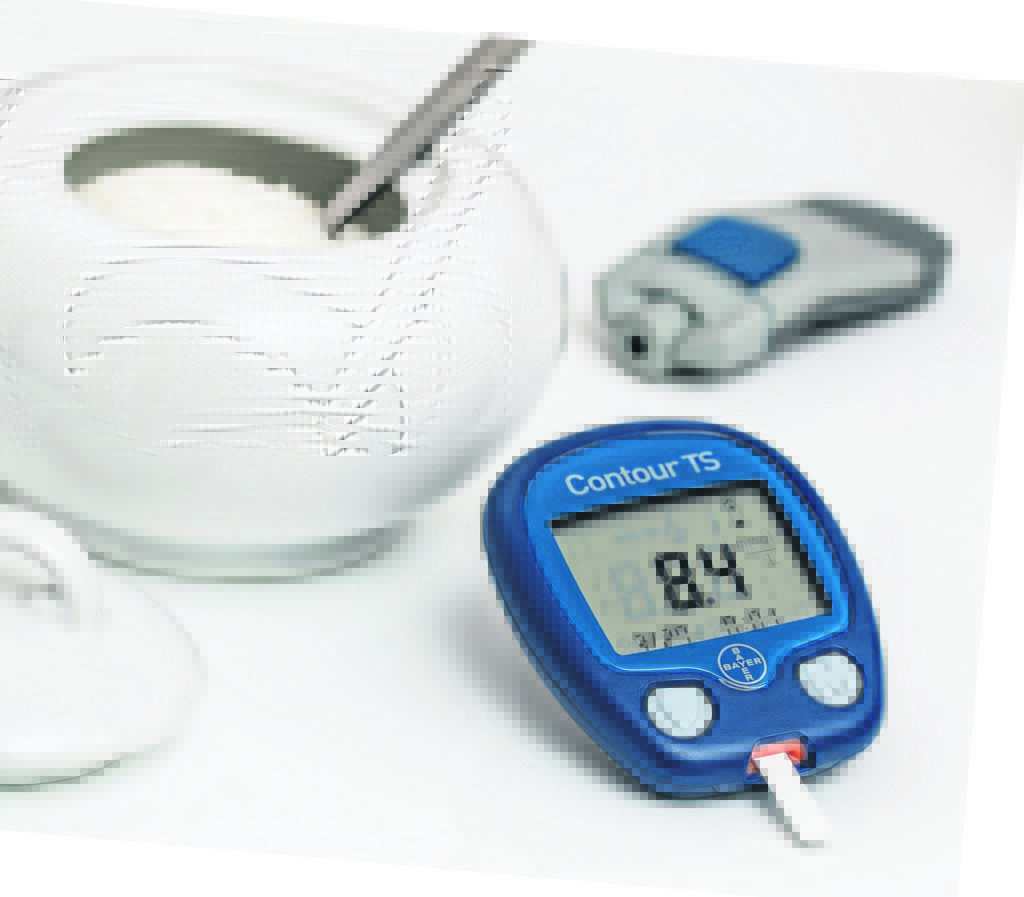
IN South Africa, seven percent of adults aged between 21 to 79, 3.85 million people, have diabetes; however a large proportion of these remain undiagnosed.
“As we commemorate World Diabetes Day this November 14, we need to look at how we can reduce our risk,” said Renny Letswalo, managing director at Cambridge Weight Plan.
Diabetes is a major cause of blindness, kidney failure, heart attacks, stroke and lower limb amputation.
Stringent glucose control has reduced some small-vessel complications such as blindness and kidney failure; however the residual risk of large-vessel complications such as heart attacks and stroke remains high.
Tips to help reduce your risk
- Excessive body fat
According to Letswalo, excessive weight is a big risk factor for diabetes, and interestingly every kilogram of weight lost is said to reduce risk by 16%. “Weight loss is a common recommendation for treatment for type 2 diabetes.
“Many people are overweight when they’re first diagnosed, and that extra fat is the cause of their insulin resistance.
“They have stored too much glycogen in their body; with their liver surrounded by fat, they’re unable to use excessive glycogen.
“Their number one action is to reduce the fat content in their body,” she said.
Cambridge Weight Plan Diet stipulates that regular consumption of low calorie shakes, soups and snack bars, designed to fulfil all of your daily nutritional requirements under strict calories guidelines, can lead to immediate weight loss and help put type 2 diabetes into remission.
Extensive research also shows that formulated replacement meals as a solution to weight loss are also effective in managing diabetes type 1.
- Plant-based, low calorie diet
Choose to eat a variety of vegetables, as research shows this reduces diabetes risk. Avoid foods rich in trans and saturated fat and sugar. Elimination of sugar and flour is strongly recommended. Diabetes type 2 people should not be consuming refined carbohydrates at all to avoid their glucose spike,” added Letswalo.
- Drink plenty of water
“Fizzy and sugary drinks have been linked with obesity and diabetes, instead drink water to reduce your risk.”
- Exercise
Not exercising increases your chances of diabetes, even a simple brisk walk can do the trick.
- Less stress
When you are stressed your body releases several hormones that increase blood sugar.
“Choose to meditate regularly to improve your ability to cope with stress, or make time to do things you enjoy,” said Letswalo.
- Rest
If you don’t get enough sleep or enough good quality sleep then your risk of diabetes and obesity increases. Seek help if you are experiencing sleep problems.