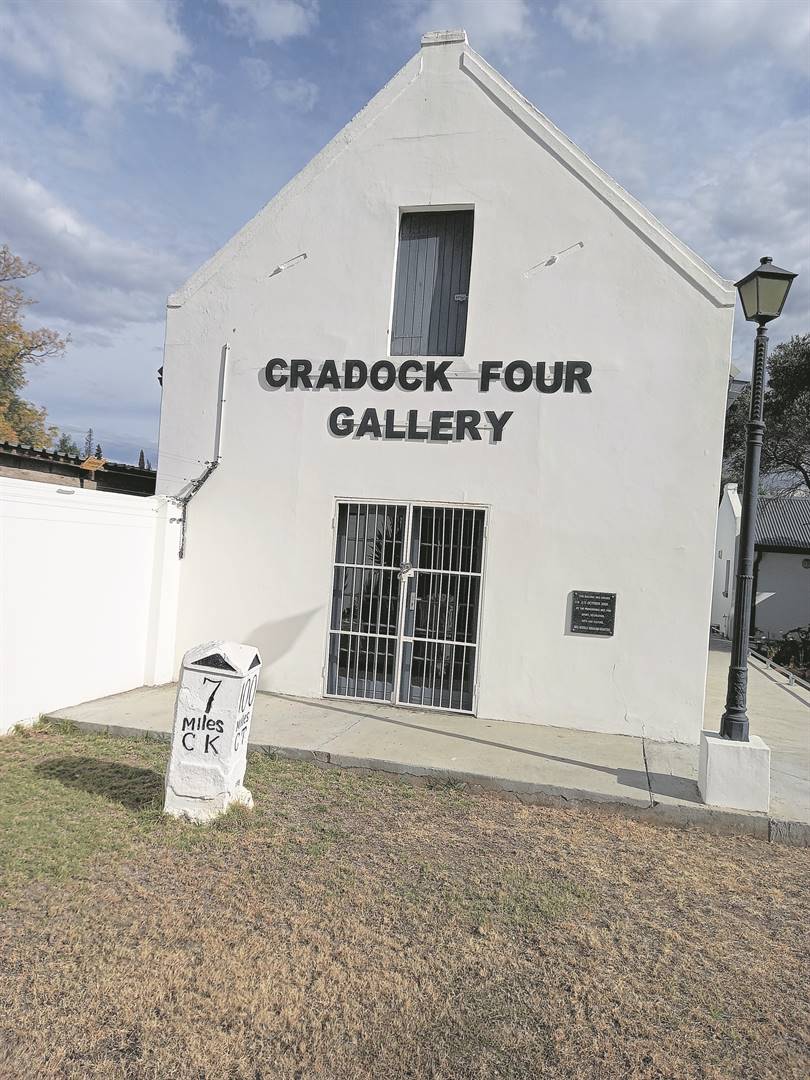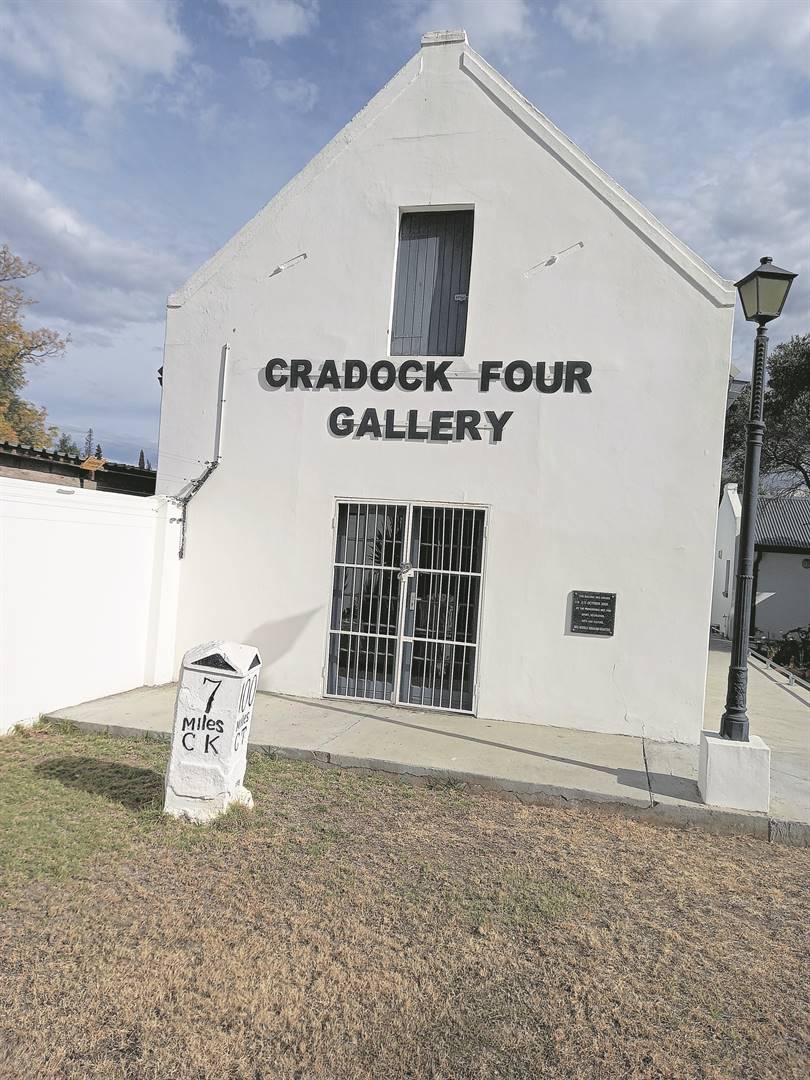

“CRADOCK our history exhibition”, reflecting the history of the isiXhosa in the area, was officially opened at the Great Fish River Museum in High Street, Cradock last Friday.
Representatives of the Department of Sport, Recreation, Arts and Culture, the Inxuba Yethemba Municipality, the museum board, other guests, and several schools attended the occasion.
The guest speaker of the day, Dr Minsie Duka, emphasized the importance of history, but pointed out that South Africa now needed to build a new nation and that it was most important not to repeat mistakes of the past.
The exhibition, which can be viewed in the museum’s old dining room, consists of seven segments, each depicted on a separate panel, namely History, Frontier Wars, Reverend James Calata, the Wall of Separation, Apartheid in Action, the Group Areas Act and Forced Removal.
In the section for pre-colonial history, we learn that the Khoisan arrived in South Africa 2000 BC with cattle, sheep and goats followed by ‘Bantu’ speaking people from Central Africa in the fourth century AD. After the Nongqawuse cattle killing during 1856-1857, many amaXhosa reportedly flooded into the Cradock location.
Inxuba Yethemba Municipality’s Mayor, Noncedo Zonke, cut the ribbon to officially open the exhibition.