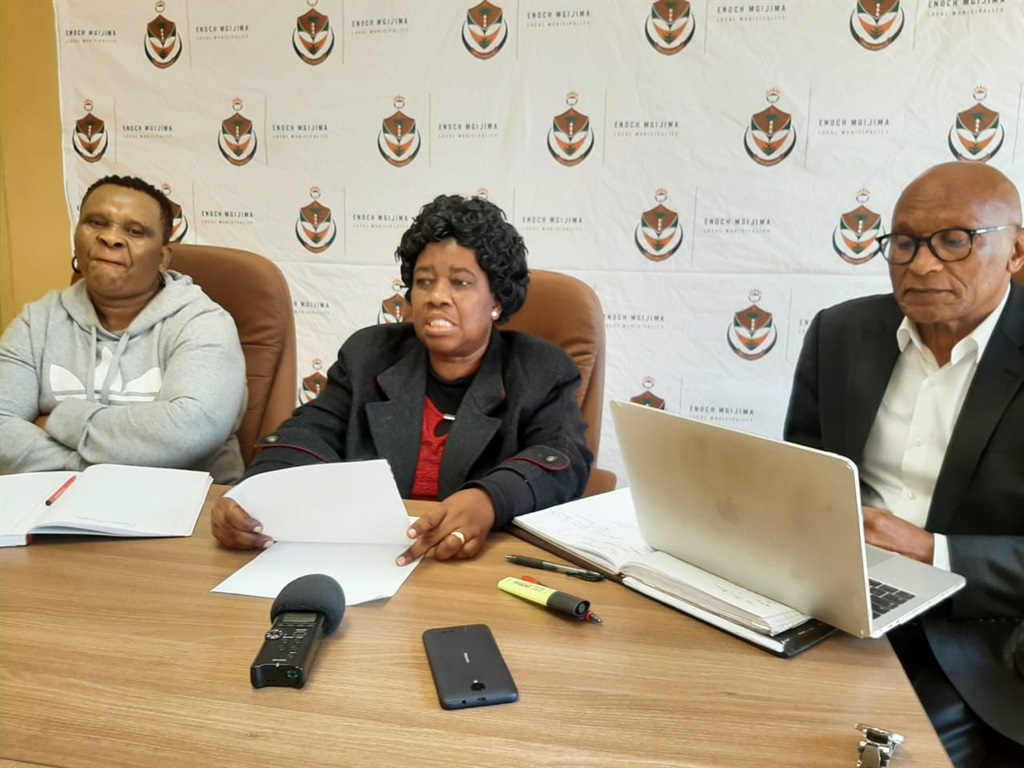

- DA leader John Steenhuisen visited Lesseyton during his small town visit
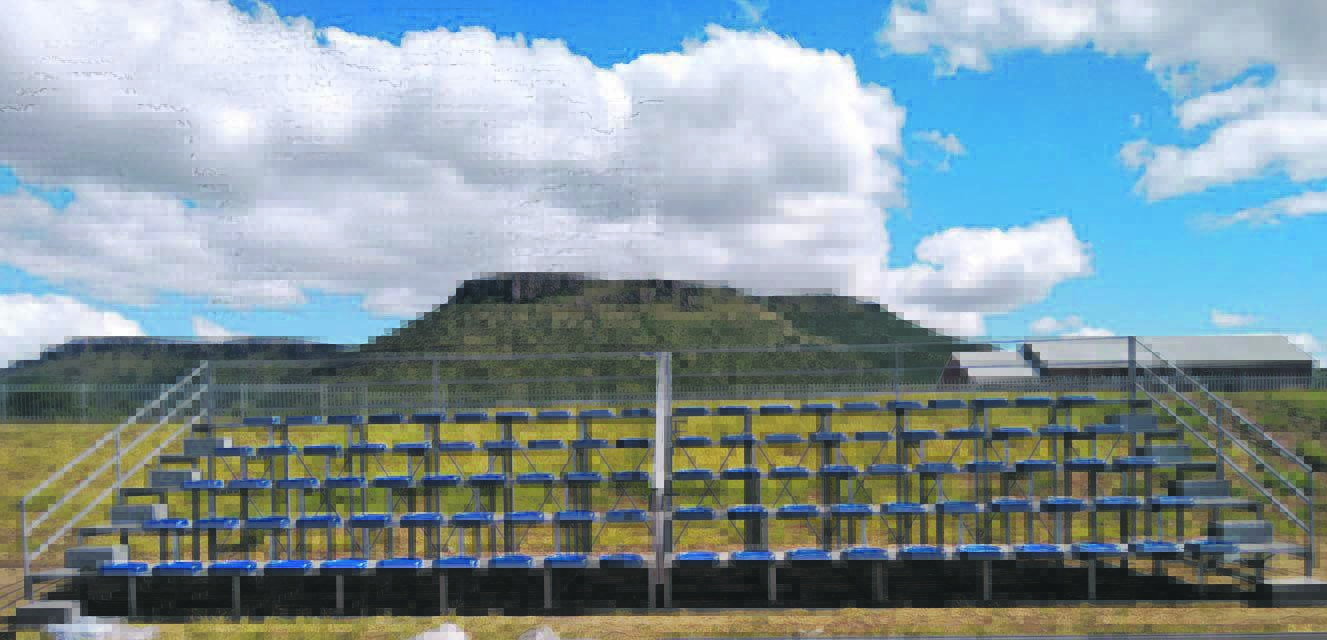
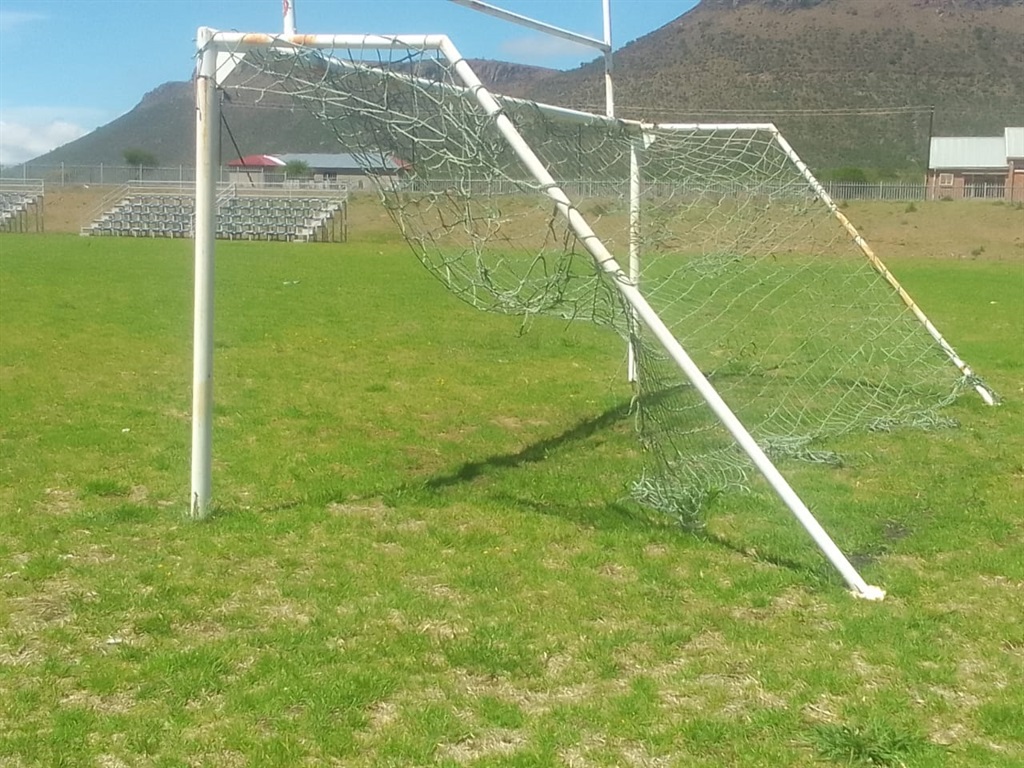
- A R15 million stadium in Lesseyton remains unused
- Residents in Lesseyton are without water and electricity while unemployment is at an all time high
“It is inconceivable that R15 million can be used for an unneeded fence, two fan stands, and two rows of ablution facilities, calling it a stadium, in a place where people have to fetch drinking water from a stream where livestock drinks.”
These were the sentiments of DA leader John Steenhuisen during his small towns visit. He was speaking in Lesseyton on October 25, where Enoch Mgijima Local Municipality built the stadium.
As previously reported by Malibongwe Dayimani of News24 in a report written on March 19, 2022, former public protector Busisiwe Mkhwebane said the stadium was not even worth R1 million.
A quick look around the controversial structure shows that the toilets don’t have doors but only burglar gates, there are no tracks for athletics and no flood lights for evening games and there is no shelter at the fan stands for rainy or hot days.
Interacting with the people, Steenhuisen heard how residents were struggling to make ends meet.
Community members complained that they had no water and electricity, unemployment was at an all time high, and most depended on government social grants. People could not even afford to pay for funeral policies.
Speaking to Anelisa Oliphant (25) on the sidelines of the walkabout, she said building the stadium was a spit in the face of the needs of the people.
Oliphant passed her matric in 2016 but could only pursue higher education three years later in 2019 due to financial strain.
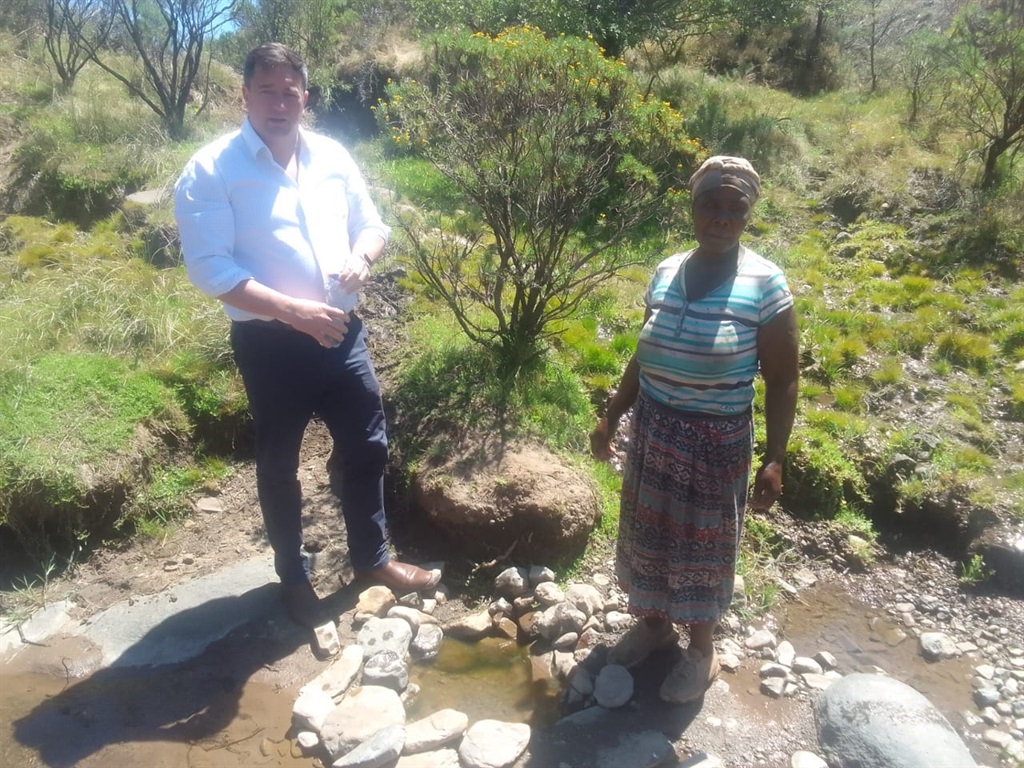
Malinge where locals get their drinking water.
“Even though I was late in following my dreams, I could not finish my studies as I was out of transport money to go to school. My family could no longer bear the pressure.
Now I am unemployed with no prospects of a better future due to high unemployment and economic inactivity,” she said.
“Nobody is happy here with this stadium. We thought there would be fields for different sporting codes. This is a waste of money. It would have been better if the money was invested in the future of the youth of this area. We could have been offered bursaries and skills to start businesses and create jobs.”
Vuyiswa Malinge (66) said she moved to Lesseyton in 2019 to work at a local farm but has since lost her job.
Her story is one of many of poor people and their daily struggles as they aim to make ends meet. Malinge stays in a one-roomed stick and mud house. As the contingency drove to the stream where water is collected by locals, she was busy plastering her house with mud using her bare hands.
She said heavy rains and strong winds always fill her family with fear of their home collapsing. With seven people to support including two grandchildren and one on the way, the old age grant is never enough.
“We struggle to buy food that will last the whole month. We don’t have electricity so we can’t buy food that needs refrigeration. Whenever it rains, the roof and walls leak,” she said.
Steenhuisen said he was taking the small towns tour to zoom in on the collapse of local government.
He said projects of the current government were focussing on benefitting politicians over the people.
Steenhuisen said that if the government could cut down spending on VIP protection, elegant cars, and luxurious hotel stays, social grants could increase.
“People must stop abstaining from voting as this sustains the status quo. If people want to see change, then they must change the face of government through their votes. (Komani) used to be a hub of manufacturing but due to a lack of service delivery including water and sanitation, businesses left. We need to turn small towns into vibrant economies,” he said.
Steenhuisen said that it was important to give the people hope for change and paint a picture of improvement. Chris Hani District Municipality spokesperson, Bulelwa Ganyaza said the district authority was experiencing higher water demand than supply in Lesseyton adding that seven boreholes had been drilled in the area to supply Ezola, Ekuphumleni, Ngonjoni, Toiskraal, Xuma-Tabata and New Lesseyton residential areas.
“Water supply-related challenges affecting the area are mainly due to population growth, some of the boreholes have low yield and are unable to meet the current demand, a spate of vandalism as one of the boreholes has been vandalised and illegal connections which are rife,” she said.
The district municipality, Ganyaza said, currently implements water rationing in some parts due to low yield from two of the boreholes.
“A 10kl water tank was installed in the Zola extension which is served with watercarts including the new extensions where CHDM installed four 5kl water tanks. CHDM is currently looking into alternatives to augment water supply,” she said.