
GRAAFF-REINET – Hundreds of people have taken to the streets in recent weeks over the renaming of Graaff-Reinet to Robert Sobukwe Town.
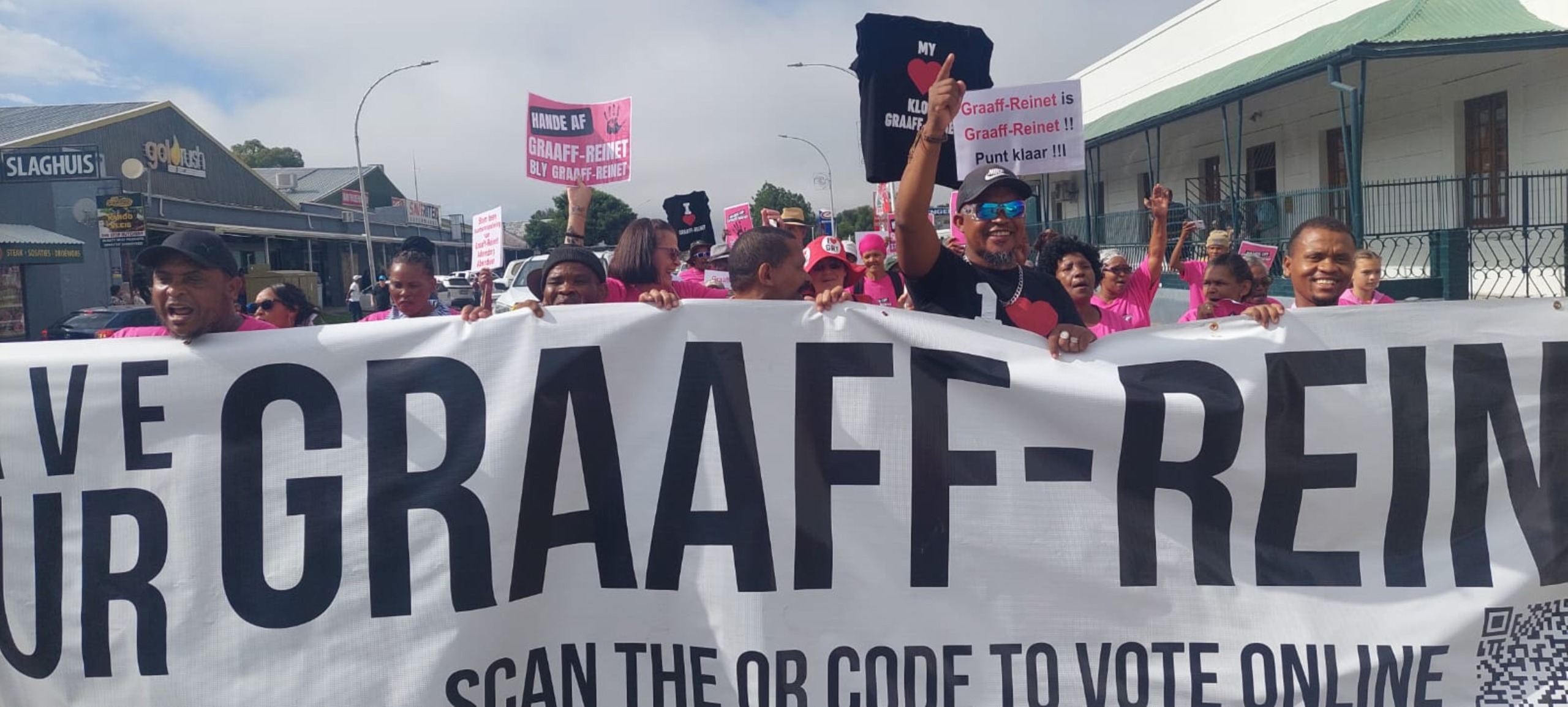
On Saturday, 28 February, residents and local stakeholders participated in a protest march to demonstrate their discontent with the proposed name change, while on Saturday, 14 March, supporters, mainly from other parts of the country, held their own march to show their support for the renaming.
This name change, together with the name change of one other town – Aberdeen to Xamdeboo – and a village – Adendorp to Bishop Limba – in the Dr Beyers Naudé Local Municipality was officially approved by the Minister of Sport, Arts and Culture, Gayton McKenzie, and published in the Government Gazette on 6 February.
Graaff-Reinet is the fourth-oldest town in South Africa, established in 1786 and named after the then Cape Governor, Cornelis Jacob van de Graaff, and his wife, Reinet.
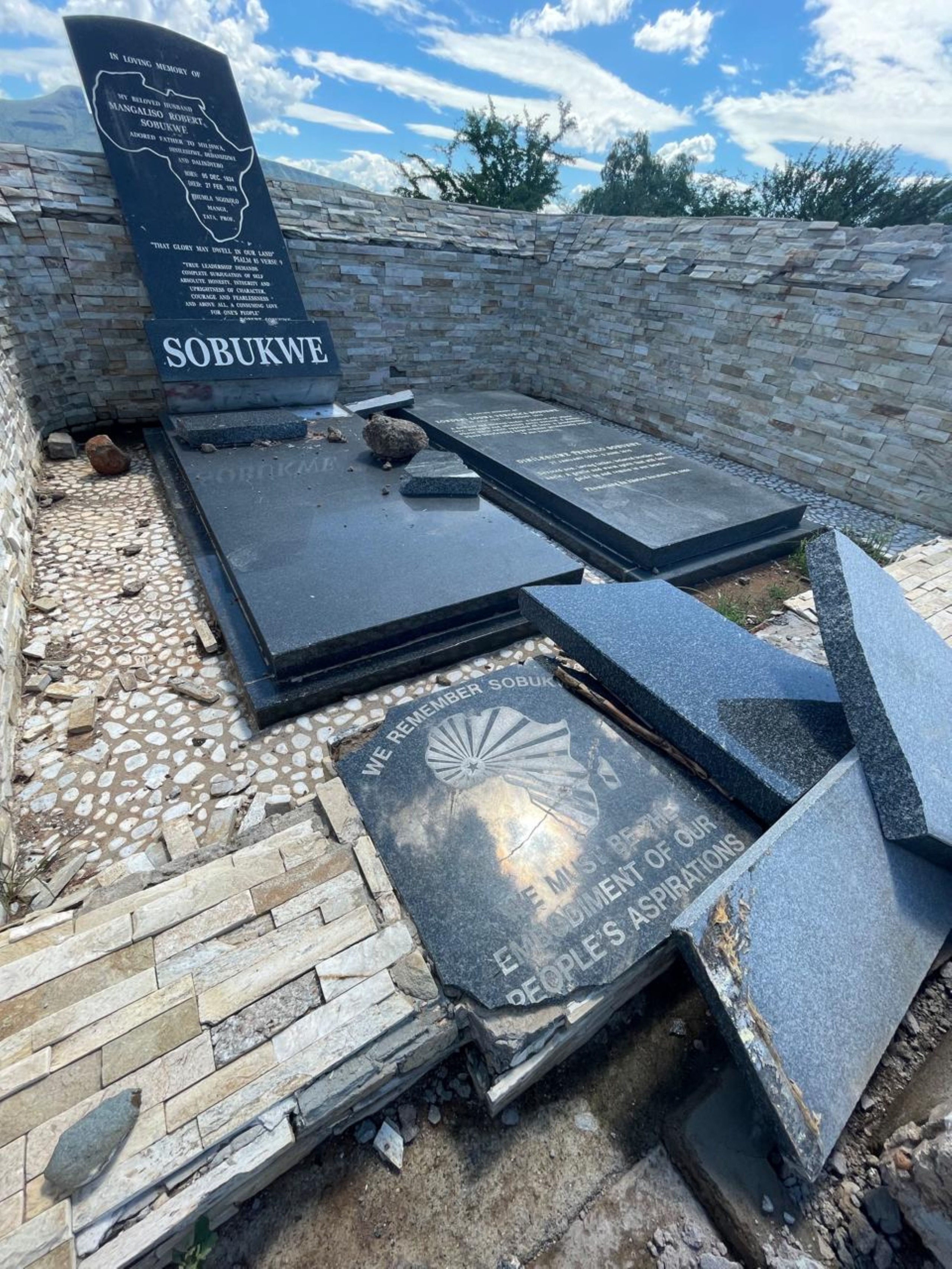
Those in favour of the renaming argue that it would honour Robert Sobukwe, a prominent anti-apartheid activist and founding member of the Pan Africanist Congress (PAC) who was born and bred in Graaff-Reinet.
They contend that this forms part of a broader effort to move away from colonial-era names, restore African identity, and align the country’s geographical names with its liberation history and democratic values.
However, it is evident that not everyone is in favour of the renaming.
Following the publication of the legal notice in the Government Gazette, both the Democratic Alliance (DA) and the Freedom Front Plus (FF+) issued statements opposing the proposed name changes and launched petitions to encourage public objections.
Residents of Graaff-Reinet, along with local stakeholders, also organised their own campaign, Graaff-Reinet bly Graaff-Reinet, emphasising that their opposition is not politically motivated, but rather stems from their right to meaningfully participate in government decision-making processes.
They feel that their strong objections, consistently expressed since the name change proposal was first announced in 2023, have been ignored and therefore they mobilised as many people as possible to submit objections within the 30-day objection period.
They also organised their own protest march that took place on 28 February to demonstrate their discontent with the renaming.
In addition to this, Derek Light, a prominent local lawyer, has sent a legal letter to McKenzie, challenging the validity of the Gazette notice.
Light argues that the notice is defective, as it fails to inform the public of the 30-day objection period and the correct channel for submitting objections.
It has since been confirmed that a total of 38,544 objections were submitted against the renaming of five Eastern Cape towns.
Graaff-Reinet alone accounted for 21,918 objections, followed by East London (8,628), Aberdeen (3,688), Adendorp (2,814), and Barkly East (1,496).
Objections relating to Graaff-Reinet, Aberdeen, and Adendorp include 16,700 online submissions via the DA petition and 5,218 objections submitted by email through the DA and Graaff-Reinet bly Graaff-Reinet campaigners.
Submissions from the FF+ and AfriForum petitions, as well as emails from other political parties, organisations, and individuals, are not included in these totals.
On 6 March, the DA’s Shadow MEC for Sport, Arts and Culture, Leander Kruger, confirmed in a media statement that all objections were submitted within the prescribed one-month period.
McKenzie’s office has since acknowledged receipt of submissions from Graaff-Reinet, Aberdeen, and Adendorp.
He stated that, under the South African Geographical Names Council Act, the Minister is now required to respond to each objection individually, providing both a decision and the reasoning behind it.
ALSO READ: Historic South African town in uproar over renaming after anti-apartheid icon