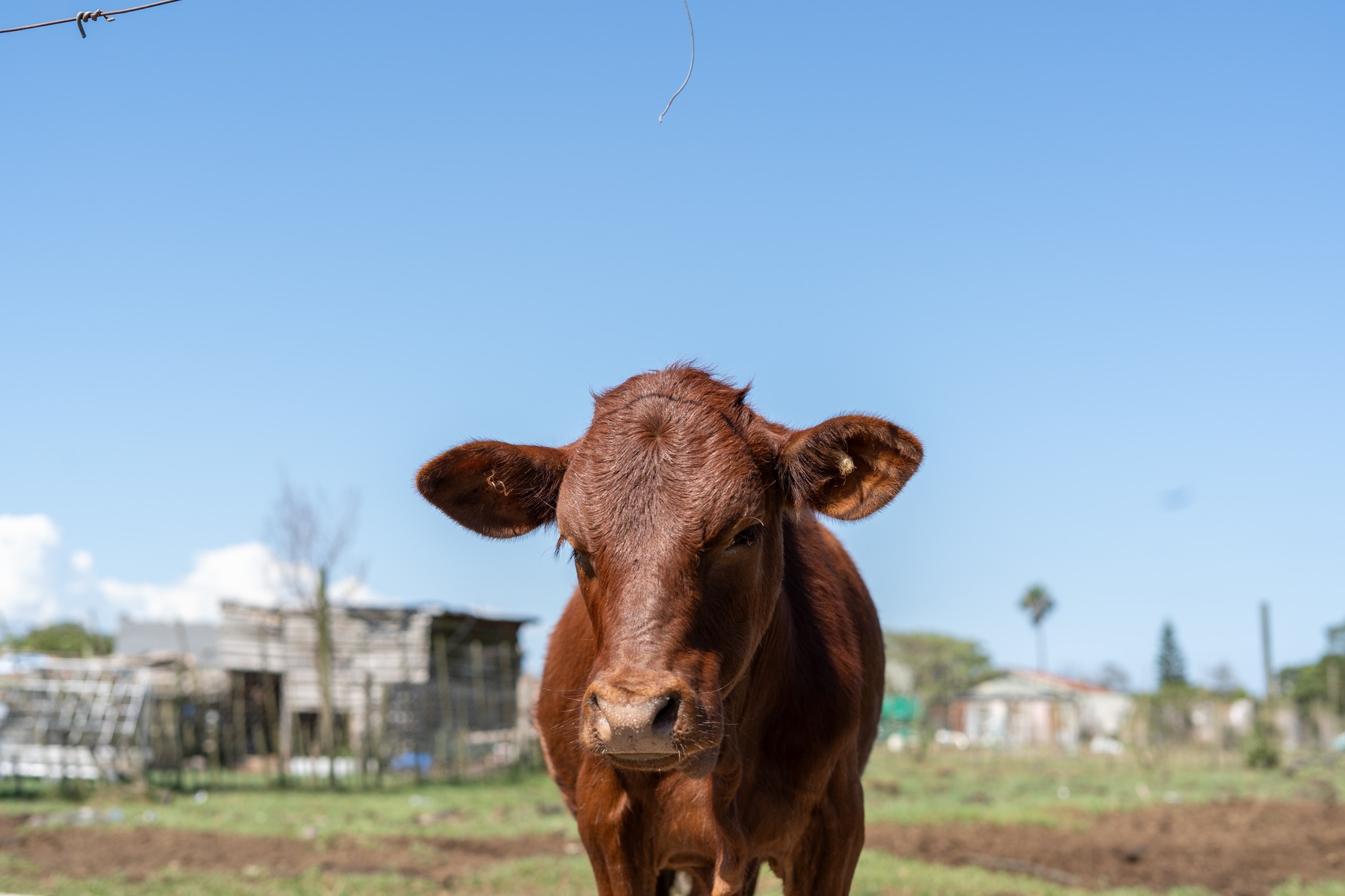



KOUGA – Following a confirmed Foot-and-Mouth Disease (FMD) outbreak, Kouga Local Municipality recently called on all farmers, including emerging farmers, to implement immediate and stringent control measures.
According to a press release, to date, more than 100 cattle have tested positive in the Kruisfontein area.
“The vaccine is expected to arrive in the country by mid-February, so until then, movement control and avoiding contact with cattle to prevent further spread is essential,” the statement said.
Furthermore, it is important to emphasise that the disease cannot affect people, but people can very easily transmit it to other cattle.
“Alarmingly, unlike previous outbreaks, livestock deaths have now been recorded, underscoring the seriousness of the situation,” the statement said.
Livestock must be confined
All farmers are strictly instructed as follows:
• Livestock must not roam freely under any circumstances.
• The movement of livestock with herders for grazing is strictly prohibited.
• All livestock must remain confined to the owner’s premises at all times.
• No transportation of livestock is permitted, either within or outside the affected area, without the required official permission and documentation.
• Any unauthorised movement of animals will be subject to enforcement and control measures.
Biosecurity measures
To limit the spread of the disease, the following measures are compulsory:
• Immediate isolation of infected animals to prevent further transmission.
• Ongoing surveillance of surrounding areas is being conducted to determine whether the disease has spread beyond the identified zone.
• Strict sanitisation of vehicles entering or operating within affected areas.
• Residents and farm workers in affected areas must adhere to hygiene and sanitisation protocols.
The statement noted that sanitisation points will be established at strategically identified locations.
“These precautionary measures are critical to containing the outbreak and protecting livestock across the Kouga Local Municipal area. Full cooperation from all farmers and residents is non-negotiable and essential to preventing further losses,” the statement said.
Furthermore, a dedicated task team comprising the municipality and relevant stakeholders has been established and will meet daily to coordinate interventions and mitigate the impact of the outbreak.
“The matter is being treated with the utmost seriousness,” the statement said.
Any roaming livestock must be reported immediately to the Kouga Call Centre at 042 200 2200 or 081 760 9183 (WhatsApp only) to enable intervention and enforcement.
Further updates will be communicated as more information becomes available.
A statement released by the National Council of SPCAs confirmed that FMD is spreading rapidly through many of South Africa’s farm animals like cows, sheep, pigs, and goats, as well as wild animals like buffalo, leaving animals across the country vulnerable and suffering.
“The disease is caused by a highly contagious virus that spreads rapidly amongst animals with cloven hooves,” the statement said.
Furthermore, the statement noted that the current outbreak is mostly because of the lack of vaccines.
Symptoms of FMD in animals include fever, sores and blisters on the animal’s tongue, lips, nose, teats, and between hooves, reluctance to move due to pain, lameness and excessive salivation or drooling.
According to the council, the disease spreads directly through items contaminated with the virus, like vehicles, clothing, and feed, and indirectly, through the air over large distances.
“If you think that your farm animals have FMD, call a veterinarian and ensure the vet treats and prescribes pain relief. Furthermore, make sure you control the movement of your animals and people entering your facility and report any suspected cases of FMD to the State Veterinary Services,” the statement said.
“If your animals are severely compromised and suffering, please have them humanely euthanised by a qualified person.”
The statement noted that FMD causes real pain and acting fast can make all the difference for animals.