

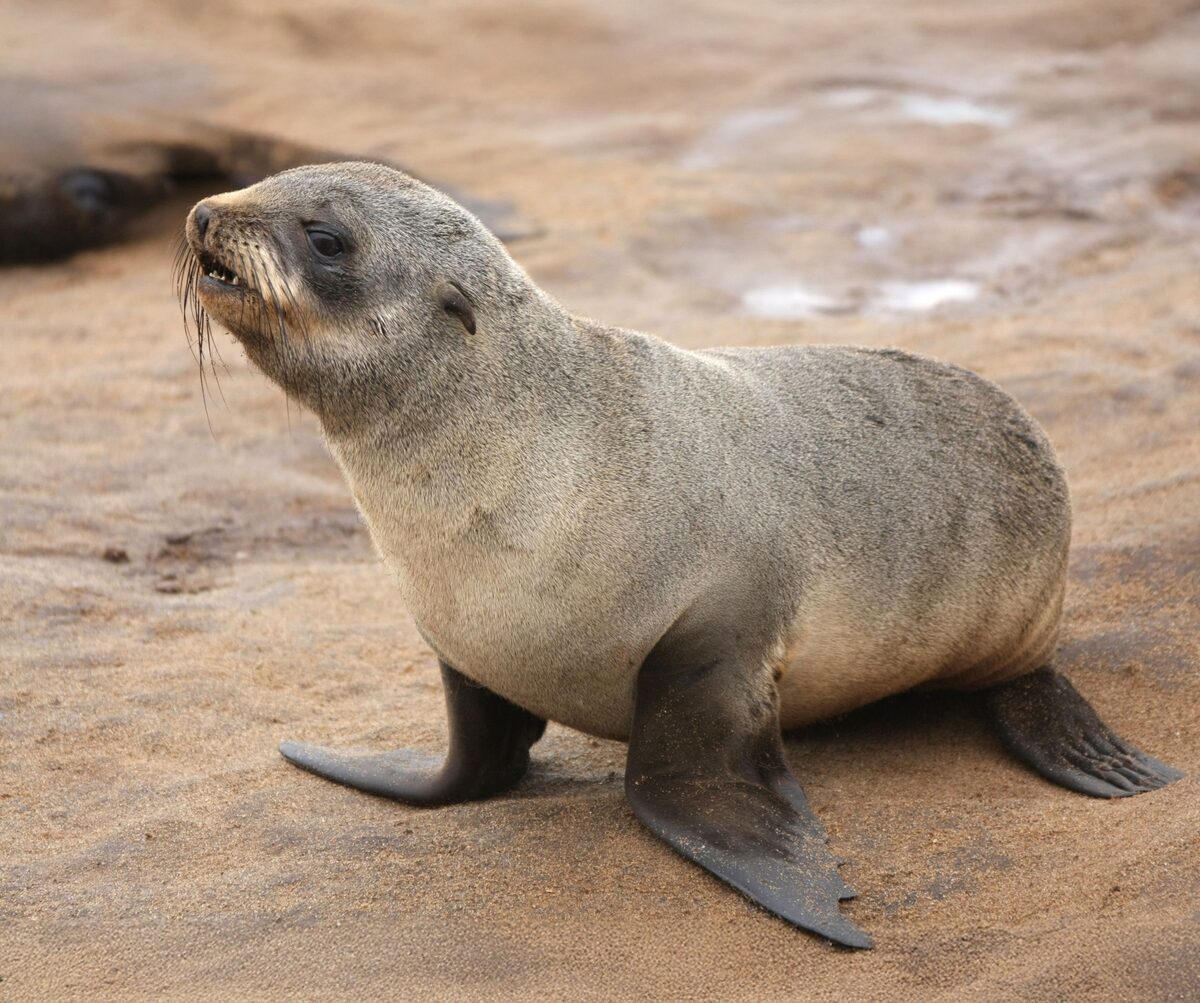
Authorities have warned beachgoers after a Cape fur seal showed clear signs of rabies infection at Betty’s Bay beach, along the Overstrand coastline.
The seal was removed on Sunday by Overstrand Municipality and CapeNature after members of the public reported the animal and helped alert authorities to its whereabouts.
Edward Jantjies, Overstrand municipal manager, confirmed that the removal took place on Sunday morning.
The incident follows a notice issued on Saturday about a seal displaying signs of rabies at Kleinmond Main Beach. At 12:30 that day, the municipality announced that its Environmental Department was cordoning off the area while the Overberg Stranding Committee and CapeNature made arrangements to respond. By 15:00, authorities reported that the seal had returned to the sea and could not be located.
It is not yet clear whether the seal removed from Betty’s Bay was the same animal reported at Kleinmond Main Beach the previous day. The municipality’s latest statement did not confirm whether rabies had been laboratory-confirmed.
The public was urged to stay away from any seal if spotted, and to keep children and pets – particularly dogs – at a safe distance.
ALSO READ: 176 people bitten as rabies spreads among Cape fur seals
A disease that affects animals and humans
Rabies is a serious viral disease that affects both humans and animals. It is transmitted through the saliva of an infected animal, most commonly via bites or scratches. Dogs may also be exposed through contact with infected seals or by scavenging seal carcasses.
Confirmed rabies cases have been detected in the seal population along the Western Cape coastline for more than three years.
Dog owners visiting Overstrand beaches are urged to keep their pets on a leash and under control at all times.
The municipality has emphasised that seal carcasses are a normal part of the coastline and that the presence of a carcass does not necessarily indicate a link to rabies. Residents are reminded not to touch, handle or consume seal carcasses or any parts thereof.
Overstrand Municipality has urged residents and visitors to avoid all seals – particularly animals that appear ill or behave unusually – and to never attempt to touch, approach, handle or restrain one.
The Western Cape Department of Agriculture’s Veterinary Services has intensified efforts to curb the spread of rabies by offering free rabies vaccinations for dogs during outreach programmes in the Overstrand area.
Residents are urged to ensure their dogs and cats are up to date with their rabies vaccinations, which are a legal requirement for both species in South Africa.
What to do if you spot a seal
Anyone who spots a seal displaying unusual behaviour is encouraged to record a video, note the location and report the sighting to the relevant authorities.
Suspected seal bites or attacks should be reported to a veterinarian or the municipality’s Environmental Management Section. Sightings can also be logged via the iNaturalist website.
For urgent reports, the public can contact CapeNature’s Walker Bay office on 083 236 2924.