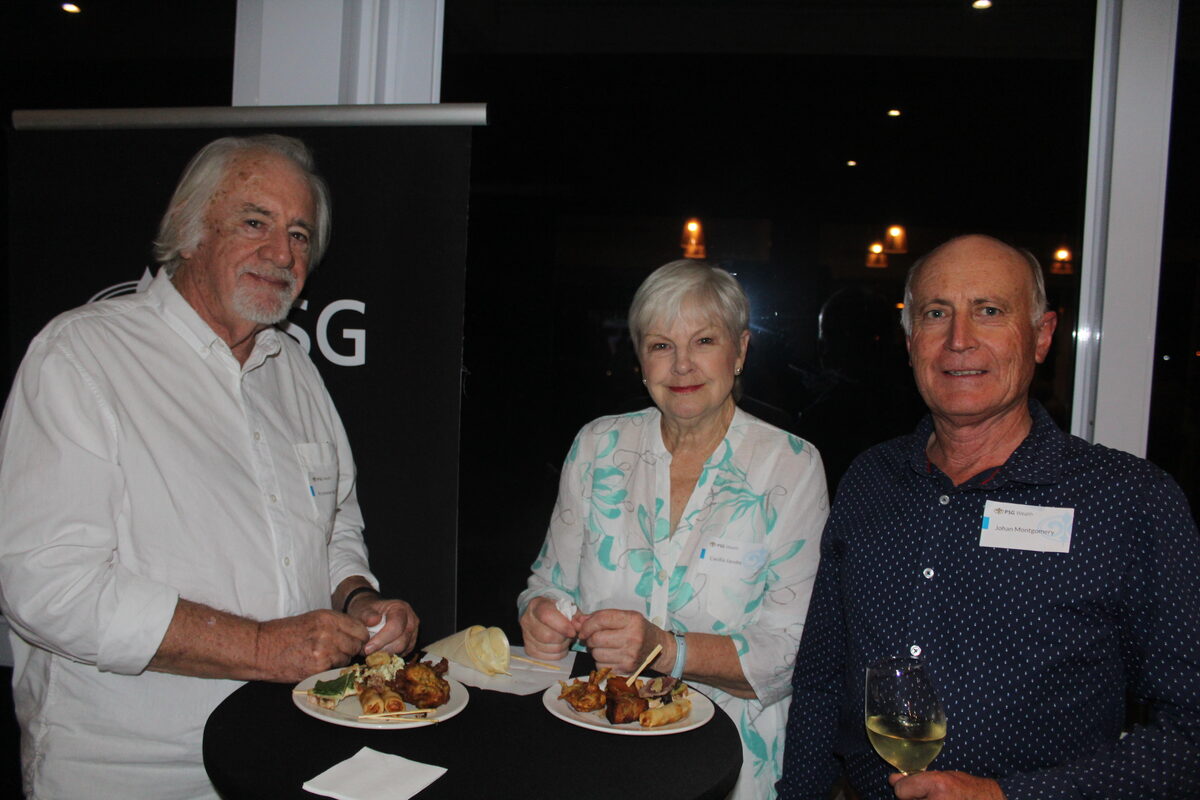

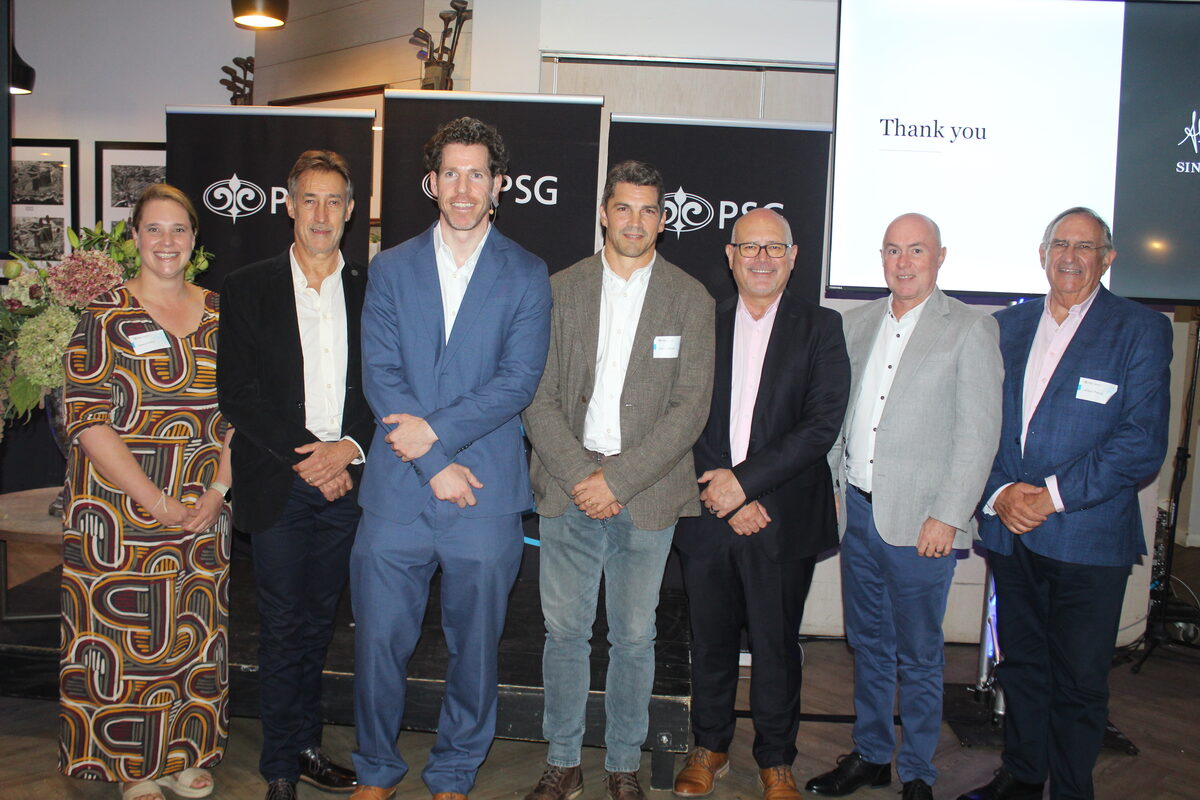
PSG Wealth Hermanus Portofolio Management and Stock Broking held its annual investment presentation on 19 March.
PSG Wealth Hermanus Portfolio Management and Stockbroking hosted its annual investment presentation on 19 March.At the event, Johann Els, Chief Economist at PSG Financial Services, explored whether South Africa faces a zero-growth trap or improving prospects. He presented a balanced view of the country’s economic outlook, highlighting both emerging opportunities and ongoing challenges likely to shape the medium term.
Els noted that while global risks – including Middle Eastern conflicts pushing oil prices above US$120 per barrel – pose short-term inflationary pressures, South Africa stands to benefit from shifting economic dynamics. A weakening US dollar and renewed investor interest in emerging markets are creating favourable conditions for capital inflows.
He added that South Africa’s economic fundamentals are strengthening, with commodity exports -particularly gold and platinum – benefiting from higher prices. Improving credit growth suggests a more efficient credit cycle is underway, supported by a prudent fiscal framework, including a R160 billion reduction in domestic borrowing. Further evidence of fiscal discipline is reflected in the projected primary surplus.
Els also highlighted the growing role of the private sector, noting that 7.5GW of rooftop solar installations and increased investment in renewable energy point to encouraging structural change.
Despite ongoing constraints such as municipal failures, skills shortages, and labour market rigidities, he indicated that economic growth could rise from a historical average of 1.1% to around 3% over the next five years—a modest but meaningful improvement for the continent’s most industrialised economy.
Allan Gray portfolio manager Rory Kutisker-Jacobson advocated a strategic 5–10% allocation to African frontier and smaller emerging markets, describing these regions as compelling long-term opportunities for sophisticated investors.
He highlighted the valuation gap between developed markets and frontier economies, noting that his portfolio trades at approximately 7 times earnings with a 5% dividend yield—significantly cheaper than broader emerging market indices. Examples include quality banks in Georgia and Kazakhstan trading at just 3–6 times historical earnings.
This Allan Gray strategy focuses on concentrated portfolios of 30 to 40 high-conviction positions, with an emphasis on companies generating US dollar earnings, supported by strong balance sheets and dominant market positions. Key holdings include TBC Bank (Georgia), Zimplats (Zimbabwe Platinum Mines), and consumer businesses across Vietnam, the Philippines, and Bangladesh.
While acknowledging risks such as political instability, currency volatility, and liquidity constraints, Kutisker-Jacobson views these factors as creating opportunities for patient investors. This bottom-up, value-driven approach targets quality businesses trading at meaningful discounts, benefiting from inefficiencies in less-researched markets.
The overarching message from the presentation was clear: volatility should be viewed as an opportunity rather than an obstacle for long-term investors.