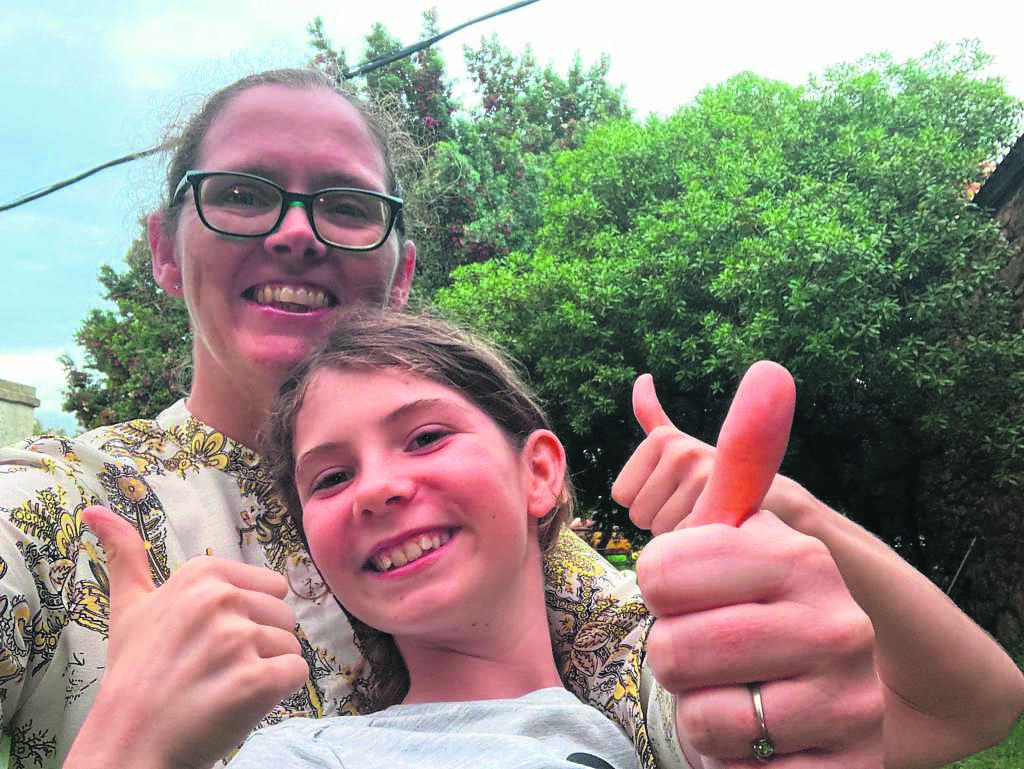

As South Africa’s long, hot summer months are conducive to fun in the sun, this is exactly what most South Africans do, be it summer beach holidays, sport activities, as participant or spectator, or the pleasure of gardening. Sadly, this is often done without the very necessary protection from the sun, which can lead to skin cancer.
Amid an increase in skin cancer worldwide, reports say South Africa has the second-highest rate of skin cancer, and the highest rate of melanoma skin cancer. Melanoma is one of the most common but most dangerous cancers in South Africa, affecting people of all skin tones.
About 80% of damage is done before the age of 18, so it is of utmost importance to become sun-smart and care for children’s skins from young.
December 2022-January 2023 was Skin Cancer Awareness Month, calling for year-long skin vigilance.
Dr Suretha Kanneberg, Tygerberg Hospital dermatologist, says: “The commonest skin cancers are squamous cell and basal cell cancers. Early detection and treatment usually have a favourable outcome.
“The other very dangerous one, melanoma, is generally deadly if not identified and removed early. It is important to get to know moles on ones body. New moles developing after age 45 must be checked by a doctor. Yet most melanomas develop on normal skin.
“If a little wound or sore is not healing, especially on sun-exposed sites, you need to see your doctor. Often patients think they don’t tan regularly, so they are not getting sun exposure and think they aren’t at risk. Sun damage is inflicted over many years, starting in childhood.”
Tygerberg Hospital sees about 1 000 skin-cancer patients a year.
Kanneberg says: “Sun protection remains important. The sun should be avoided from 10:00 to 15:00, a hat should be worn when outdoors and sunscreen (SPF30+ in dark-skinned individuals and SPF50+ in light-skinned individuals) should be applied every two hours and more frequently when sweating or swimming.”
Sun protection creams can filter out from 93% to almost 99% of harmful UV rays, but they need to be applied regularly and correctly.
Increases in skin cancer are attributed to increased exposure to ultraviolet radiation from the sun. Since 1980 the ozone layer, which restricts transmission of ultraviolet light, has seen a sustained depletion.
The UN declared a World Ozone Day in 1994, and in 2020 government amended regulation regarding ozone depleting substances found mainly in refrigeration and air conditioning.