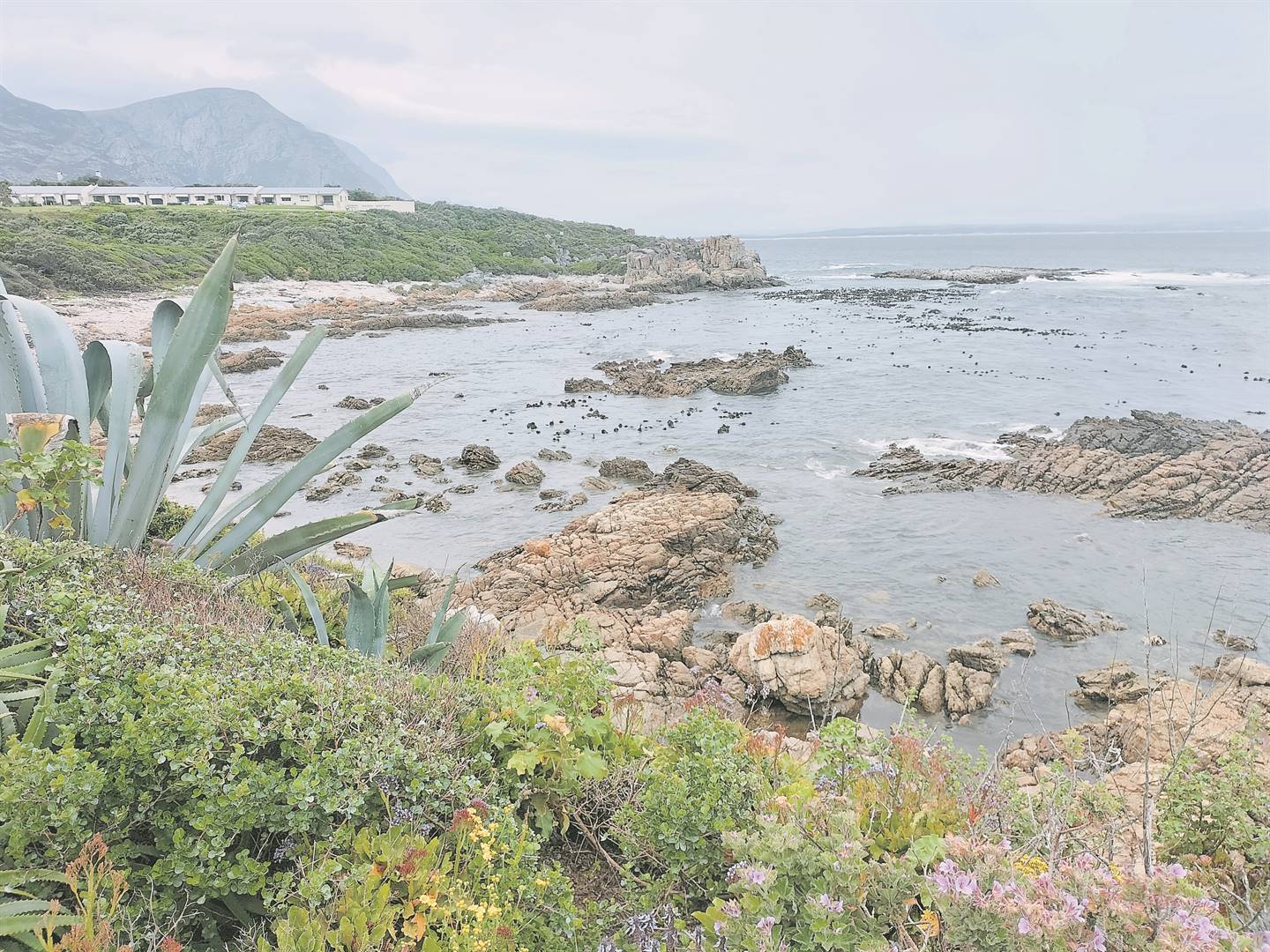

They did this not only for Hermanus and South Africa, but the whole world . . .
These were the words of Jobre Stassen, chairperson of the Cliff Path Action Group (CPAG), after all the appeals against the Environmental Authorisation granted to them for the connection of the Hermanus Cliff Path at Poole’s Bay had been dismissed.
“This was an ongoing struggle . . . since the beginning of the Cliff Path we wanted it to be linked at Poole’s Bay,” she said. “Some of the residents were against it, but we kept fighting. Hermanus is known for its Cliff Path, which is part of the heritage of the area, so we are delighted that the environmental authorisation (EA) granted on 17 November 2022 remains valid. The project can continue, we’ll move full-steam ahead.”
On 8 December 2022 an appeal was lodged by Cullinan and Associates Attorneys on behalf of the Poole’s Bay Residents’ Association (PBRA) against the EA. According to the appeal the owners will be affected, in the sense that if the Cliff Path is connected members of the public and tourists will be able to walk past their homes on the seaside. A further appeal was lodged on 12 December by a resident who does not have a property in Poole’s Bay.
“From the beginning of the Cliff Path the CPAG argued it is extremely difficult to walk on the Cliff Path and then be detoured in the busy main road around Poole’s Bay. Access to the beach must be possible for everyone not just a selected few,” Stassen explained.
On 14 April, the CPAG was informed that Western Cape Minister of Local Government, Environmental Affairs and Development Planning, Anton Bredell, dismissed the appeals after reviewing all the grievances lodged by the Pooles Bay Residents Association (PBRA). Some of the most important points Bredell made to support his decision is that the project is in the public interest as it promotes equitable access to a public resource. He also pointed out that the broader community stands to benefit from this connection.
According to the CPAG the path will be at all times on coastal public land under the high-water mark, an area already belonging to the public. At both ends it simply connects to the existing cliff path which is on municipal land.
“Public funds will not be used,” a press release from the CPAG stated. “We are dealing with an emergent process. It is a public infrastructure and development project, driven by like-minded residents and privately funded. We do not want to put pressure on limited public resources. The entire project from development to completion and maintenance will be privately financed, without straining municipal resources. There should be no confusion: neighbouring private landowners’ rights are not impeded. V Continued on page 2.