
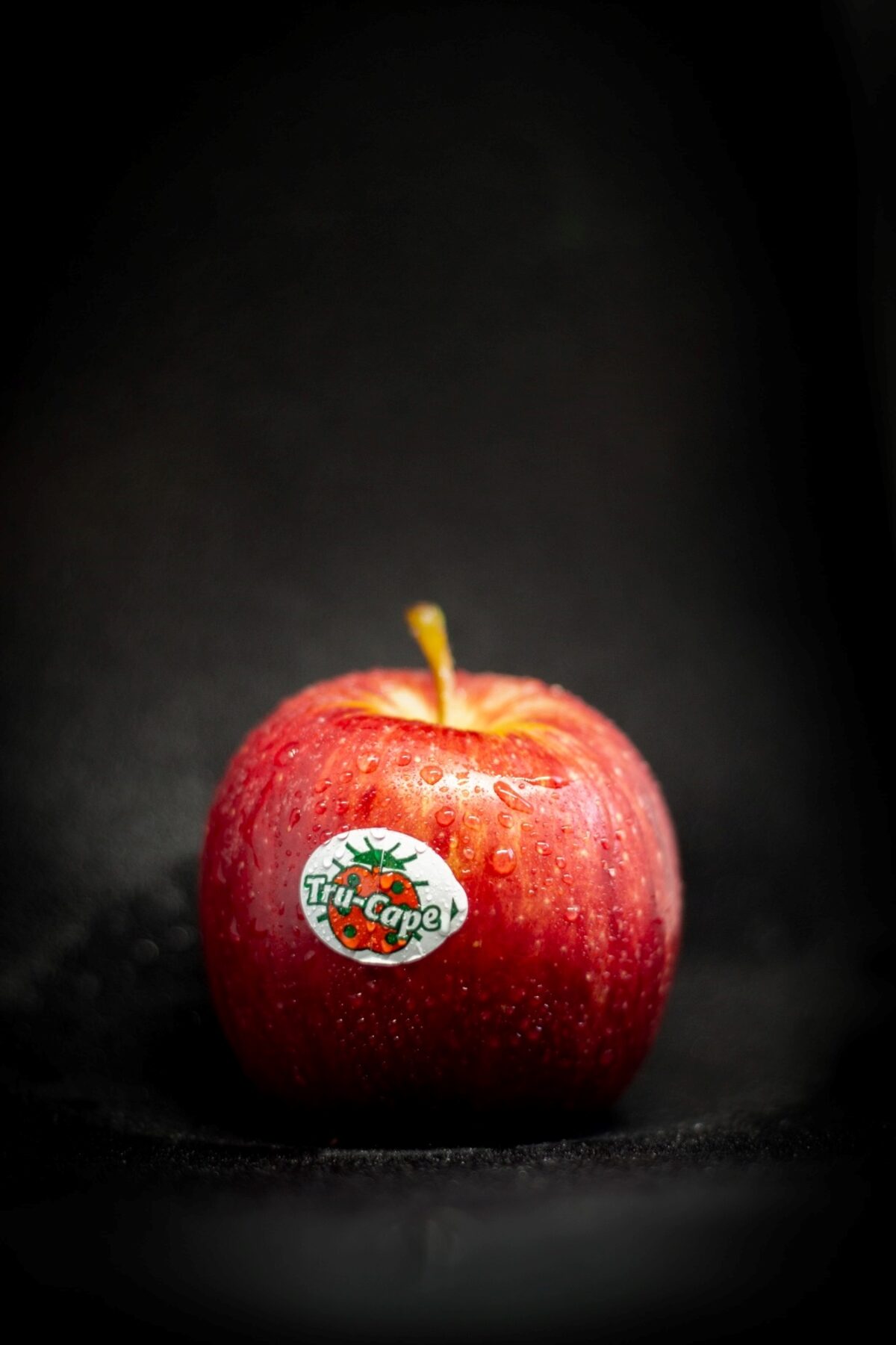
South African apple and pear producers are celebrating an early start to the 2026 season, the first fruit coming off trees up to 10 days ahead of schedule, though recent hail damage and ongoing logistical challenges cast shadows over what appears to be a promising harvest.
Early harvest signals quality season
The season’s early momentum became evident when Tru-Cape Fruit Marketing harvested its first BigBucks Gala apples in the Ceres region on 26 January, exactly 10 days earlier than last season. Even more striking, Rosemarie summer pear harvesting commenced on 23 December, marking only the second time in 25 years that picking began before Christmas. “Normally we experience one or two cooler weeks with some rainfall that slows down ripening,” explained Calla du Toit, Procurement Director at Tru-Cape Fruit Marketing, “but November and December consisted of consistently sunny weather. These warm, dry conditions accelerated ripening across major growing regions.” In the EGVV (Elgin, Grabouw, Villiersdorp and Vyeboom) region summer pears are running 10 to 12 days early while apples are seven to 10 days ahead of normal patterns.
Graeme Krige, Technical Advisor at Two-a-Day, expects “a good-volume crop with clean fruit that is relatively free of pests and disease.”
Hail damage raises concerns
The optimism faces significant challenges following devastating hailstorms. The Langkloof region was severely hit on 5 February, followed by further damage in the Koue Bokkeveld on 8 February. “It is with concern that we take note of the hail damage,” said Roelf Pienaar, Managing Director at Tru-Cape Fruit. “However, the full extent of the impact on the apple and pear crop is still being assessed.”
Water pressures and market opportunities
Water management presents another challenge, particularly in the Langkloof where summer rainfall failed to materialise. “Producers are seeing smaller-than-normal fruit sizes and were forced to prioritise which orchards to irrigate,” Du Toit noted. Despite these challenges, market demand looks promising. The early season allows South African producers to capitalise on international opportunities, particularly in the Middle East, India, Russia and China. New Zealand’s delayed Royal Gala harvest creates additional Far East opportunities.Logistics and Exchange Rate Headwinds. However, significant obstacles remain. “Logistics remain the biggest challenge for the average producer,” Du Toit emphasised, citing ongoing concerns about Port of Cape Town efficiency. A strengthening rand also pressures producer incomes despite reducing input costs. “We focus on what we can control – producing high-quality fruit,” Du Toit concluded, expressing optimism about new varieties and expanding summer pear volumes as the season unfolds.