

When it comes to treating illnesses and becoming healthy there is a misconception that antibiotics should be used to treat illness.
What many people do not know is that antibiotics are used only to treat or prevent some types of bacterial infection. They do this by killing the bacteria or preventing them from reproducing and spreading. Antibiotics aren’t effective against viral infections, this includes the common cold, flu, most coughs and sore throats.
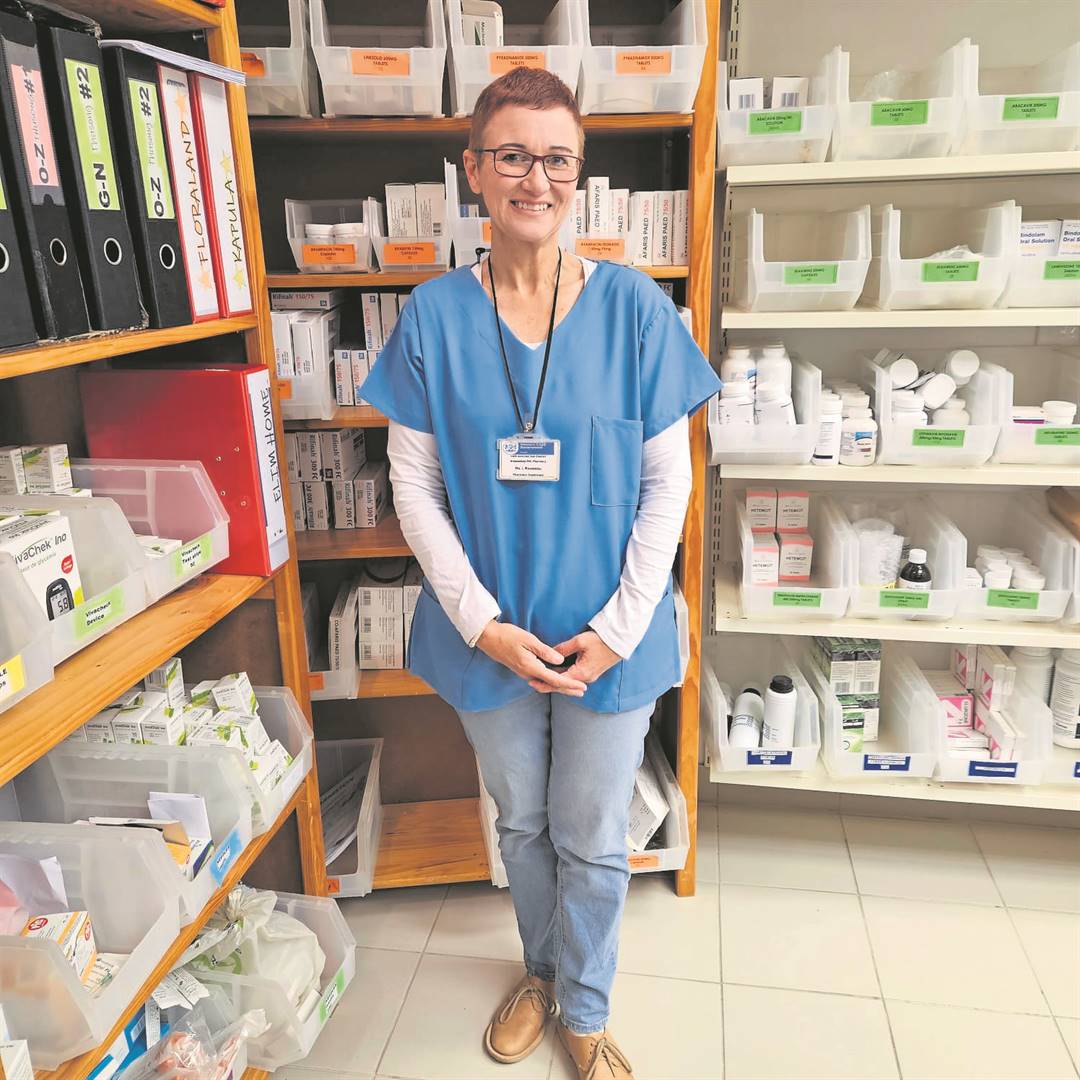
Liezl Rousseau, the pharmacist at Bredasdorp Clinic, says patients who collect their medication at the pharmacy often wonder why antibiotics have not been prescribed to treat their diagnosis.
“It’s important to know that colds, most coughs and sore throats are caused by viruses,” Liezl explained. “Antibiotics cannot kill a virus. Our immune system is strong enough to fight viruses off on its own, by recognising the virus as an intruder in the body and producing antibodies to fight the infection. This is why medication is only prescribed to treat the symptoms.
Besides not being the suitable type of treatment for the illness, using antibiotics unnecessarily and incorrectly can cause antibiotic resistances.
Pharmacy Month takes place during September each year to raise awareness on the role pharmacists play in the health-care system one of these roles are antibiotic stewardship. Antibiotic stewardship is the effort to measure and improve how antibiotics are prescribed by clinicians and used by patients.
Improving the prescription and use of antibiotics is critical to effectively treat infections, protect patients from harm caused by unnecessary antibiotic use, and combat antibiotic resistance.
“Taking antibiotic when they are not needed, accelerates antibiotic resistance, one of the biggest threats today to global health,” said Rousseau.
Antibiotic treat infections by killing bacteria, but bacteria can adapt and find ways to survive the effects of antibiotics. This is when the bacteria become resistant, and the antibiotic no longer works.
The more you use an antibiotic, the more bacteria can become resistant to it. It is important to understand that antibiotic-resistant bacteria don’t just affect you as a person, these resistant bacteria can spread to others and affect the whole health system.
Rousseau explained that antibiotic resistance can be prevented.
“It is very important to only use antibiotics when it is prescribed to you,” she warned. “If you have been prescribed antibiotics you should complete the course as instructed, even if you are feeling better.”
She went on to say that saving antibiotics for next time you are ill or sharing it with someone else is a big cause of antibiotic resistance.