

The police, paramedics, EMS rescue technicians, firefighters, law enforcement and traffic officials as well as forensic pathology services are usually the first responders at a crime scene.
But what few people know is that each responder plays an integral part, along with detectives, state prosecutors, magistrates and judges, in ensuring justice is served.
These different departments, along with members of the National Sea Rescue Institute and undertakers, were all given a glimpse of exactly how each department operates, the facilities where they are based and from which they operate, the roles and duties of staff members and the resources at their disposal. This was done during visits to each department’s base of operations, including the Overstrand Fire and Rescue Services base, Forensic Pathology and Emergency Medical Services offices at the Hermanus Hospital last week.
Evidence gathered
The tour kicked off with a tour through the Forensic Pathology Unit at Hermanus Hospital, where post-mortems are conducted. First up was state pathologist Dr Louise Krüger, who explained that one third of murders are as result of gunshot wounds.
Murders, she stated, form 32% of their case load, road traffic accidents 18% and suicides 12%. Accidental deaths from fires make up a further 5% each. She also explained the different ways used to identify a body, including viewing by family from an adjoining room, DNA samples and fingerprints.
“Part of our job is to give the deceased respect and dignity, provide the family with answers and assist the police and courts with getting justice,” Krüger said. “It’s a very tough job.” She often has to testify in court during murder trials.
Forensic unit staffer Craig de Beer said one of the questions they are asked most often is why the unit takes so long to arrive at a scene and to remove the body. He explained that one team of two FPS officers is on standby duty for the whole of the Overberg after normal working hours. “These officers may be attending a scene when they receive another call-out or the delay might be as result of long distances they have to travel,” he explained.
Visitors were also shown where and how bodies are weighed and measured and where evidence, such as bullets, ropes and chords used in suicides, is stored before the police collect it and send it for further testing.
This session concluded with a closer look at the FPS vehicles. These are equipped with GPS technology used to log the coordinates of a crime scene. This data is used by StatsSA, among other things, to determine crime hot spots and areas where high accident rates are.
Crime scene protocol
Captain Fadila September, spokesperson for Hermanus police, and Captain Edmund Abels, acting head of the Detectives Branch, explained the protocols that need to be observed at a crime scene and processes, and which need to be followed to ensure all necessary evidence, including statements, bullet casings and such are collected so justice can be served.
Both September and Abels stressed the importance of keeping the scene clear to preserve evidence.
“Don’t pick up something, for example a bullet, and hand it to the detective,” said Abels. “We need to know exactly where it was so measurements can be taken by the experts.”
He further explained that only once the paramedics have declared the victim dead and a specialised unit has collected evidence, such as cartridges and DNA and taken photos in order to reconstruct the crime scene, will forensics be called to the scene.
Abels warned against taking and distributing photos of a suspect in handcuffs before the person has appeared in court as this is against the law and might affect the court case adversely, often leading to the case being closed.
Participants also got a closer look at the mobile police station, boasting a community service desk and it’s own holding cell, that is often based in Swartdam Road in Zwelihle.
Riding to the rescue
The tour concluded with a visit to the Hermanus Emergency Medical Services (EMS) station. The EMS station, explained station manager Lana Joubert, consists of four components, namely the ambulances, rescue unit, control room and Health Net.
Health Net is responsible for transporting outpatients to the necessary health facilities such as Worcester or Tygerberg Hospitals.
The emergency communications centre is responsible for dispatching ambulances. “They use an Intelligent Dispatching System that has an Advanced Vehicle Location system, which helps to determine where exactly each vehicle is in order to dispatch the closest vehicle,” Joubert explained.
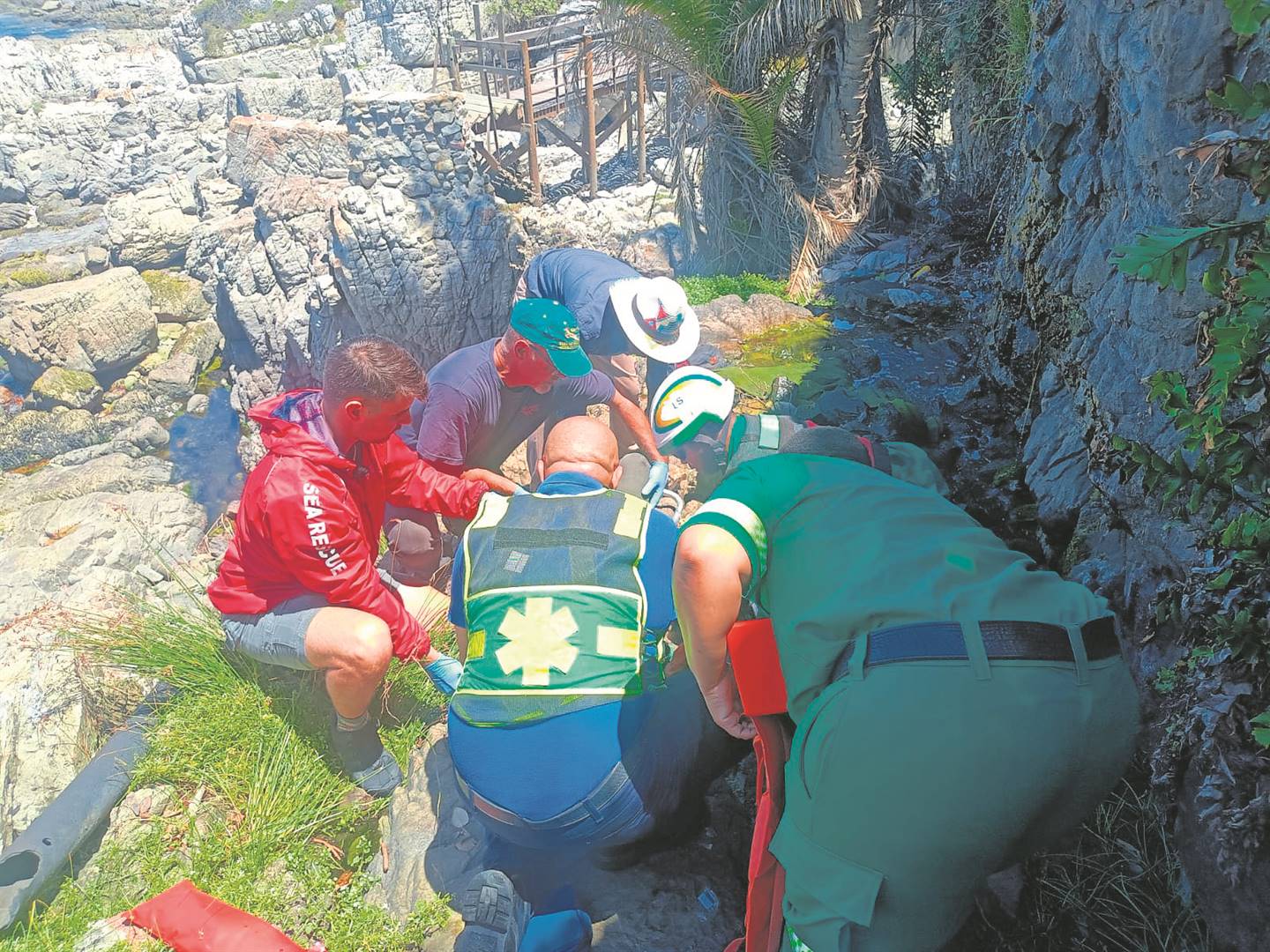
Paramedics will then stabilise and treat the patient before transporting him/her to the nearest hospital from where they will be transferred to a secondary or specialised hospital if they need more advanced medical care. Ambulances will also do emergency transfers.
Hermanus EMS serves a very large area, from Rooi Els to Pearly Beach. “We serve both government and private patients. On average we have three ambulances,” said Joubert. “At any given time at least one vehicle is in the process of transporting a patient.”
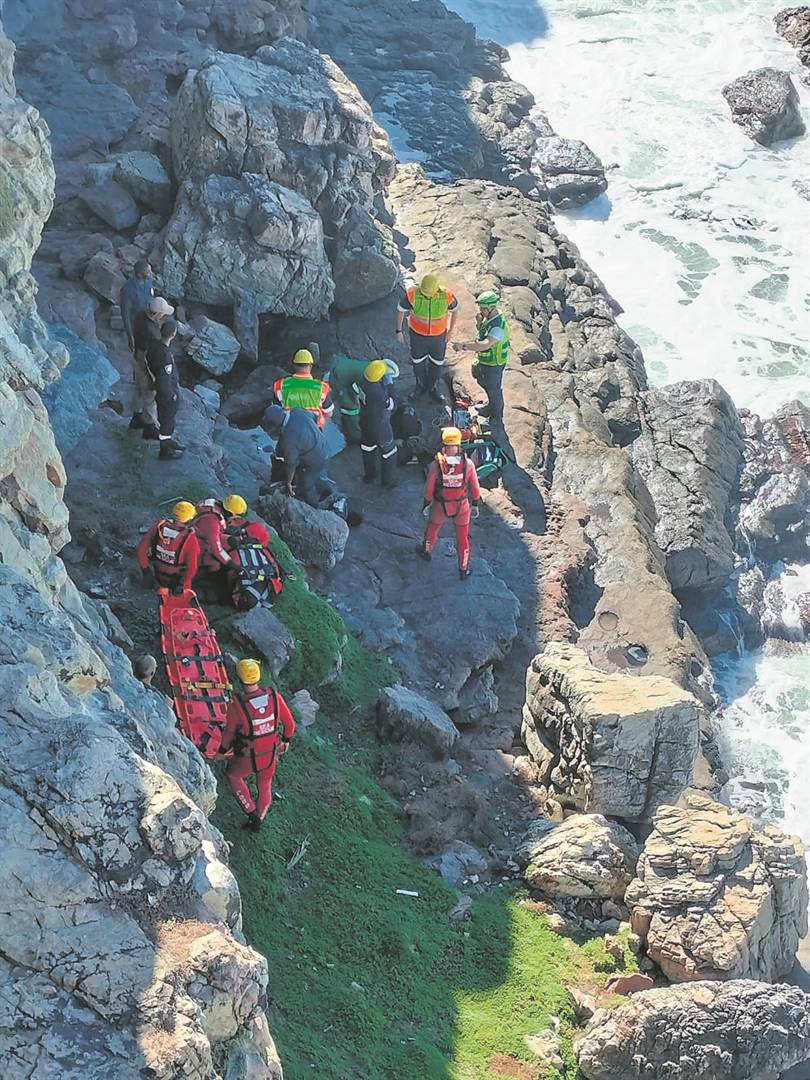
Rescue technicians and their specialised vehicles are based at various stations across the Overberg and respond to serious incidents, including where people have to be extricated from wreckages using mechanical equipment.
Rescue technicians are highly trained for special-rescue operations such as extricating people from motor vehicle accidents or the rubble after a building has collapsed. Other modules include Aviation, Swift Water and high angle rescues.
They also use specialised equipment such as self containing breathing apparatus (SCBA) when dealing with fires and toxic fumes.
Everybody agreed that the tour was very educational and that it gave them a greater understanding of department’s role.