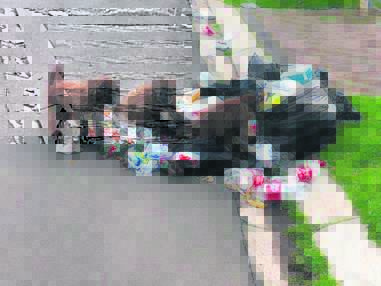

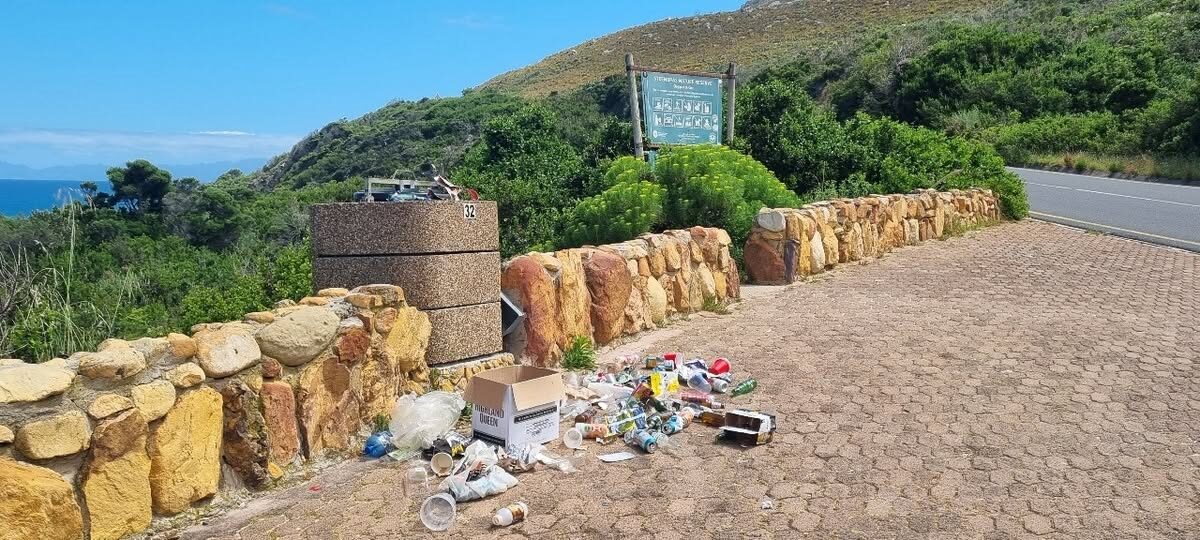
Environmental groups are demanding the immediate removal of public bins along the scenic Clarence Drive coastal route, citing budget constraints that have left containers unserviced and overflowing with waste.
“The R44 route between Gordon’s Bay and Rooiels, considered one of the Western Cape’s premier tourism attractions, passes through the heart of the Cape Floral Kingdom, a UNESCO World Heritage Site. However, the road has become a dumping ground due to inadequate maintenance of roadside bins,” the Rooiels Conservancy said in a press release. They have repeatedly raised concerns with provincial authorities responsible for the route’s maintenance, warning that overflowing containers are creating serious environmental and wildlife hazards.
Ralph Pina, chair of the Rooiels Conservancy, said the organisation has engaged with authorities “as positively as possible” but received no official response to their concerns. “There is simply no excuse. The bins should be removed as speedily as possible for the benefit of biodiversity and wildlife,” Pina stated.
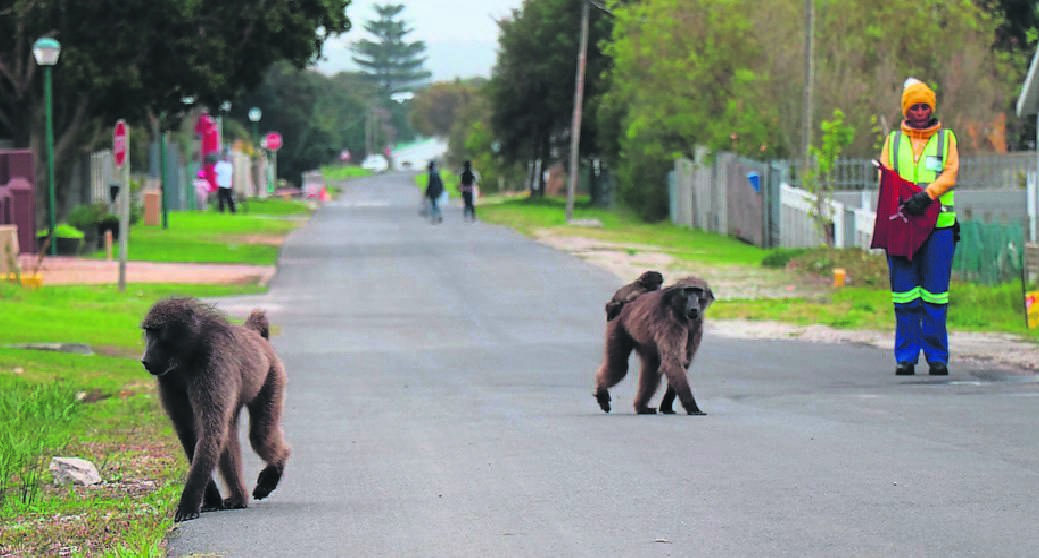
The conservancy reports that despite being designed as baboon-proof, the bins attract resident baboon troops to the roadside, resulting in numerous fatalities, particularly among infant baboons unfamiliar with speeding vehicles. Plastic and other waste regularly blow from the overflowing containers into gulleys, along roadsides, and into False Bay, creating additional environmental damage.
Successful precedents exist
Environmental groups point to successful “no bins” policies implemented elsewhere in the Western Cape as viable solutions. Kirstenbosch National Botanical Garden encourages visitors to take waste home, reducing cleanup costs and environmental contamination while discouraging animal scavengers. Similarly, the City of Cape Town has adopted bin-free waste management at scenic Peninsula locations like Miller’s Point to reduce littering and human-wildlife conflict.The conservancy has been informally advised that insufficient provincial budget exists for routine road maintenance, including bin servicing, despite the route’s recent costly restoration.
Clarence Drive’s status as a major tourism drawcard makes it a prime candidate for the proven bin-removal approach, advocates argue.