
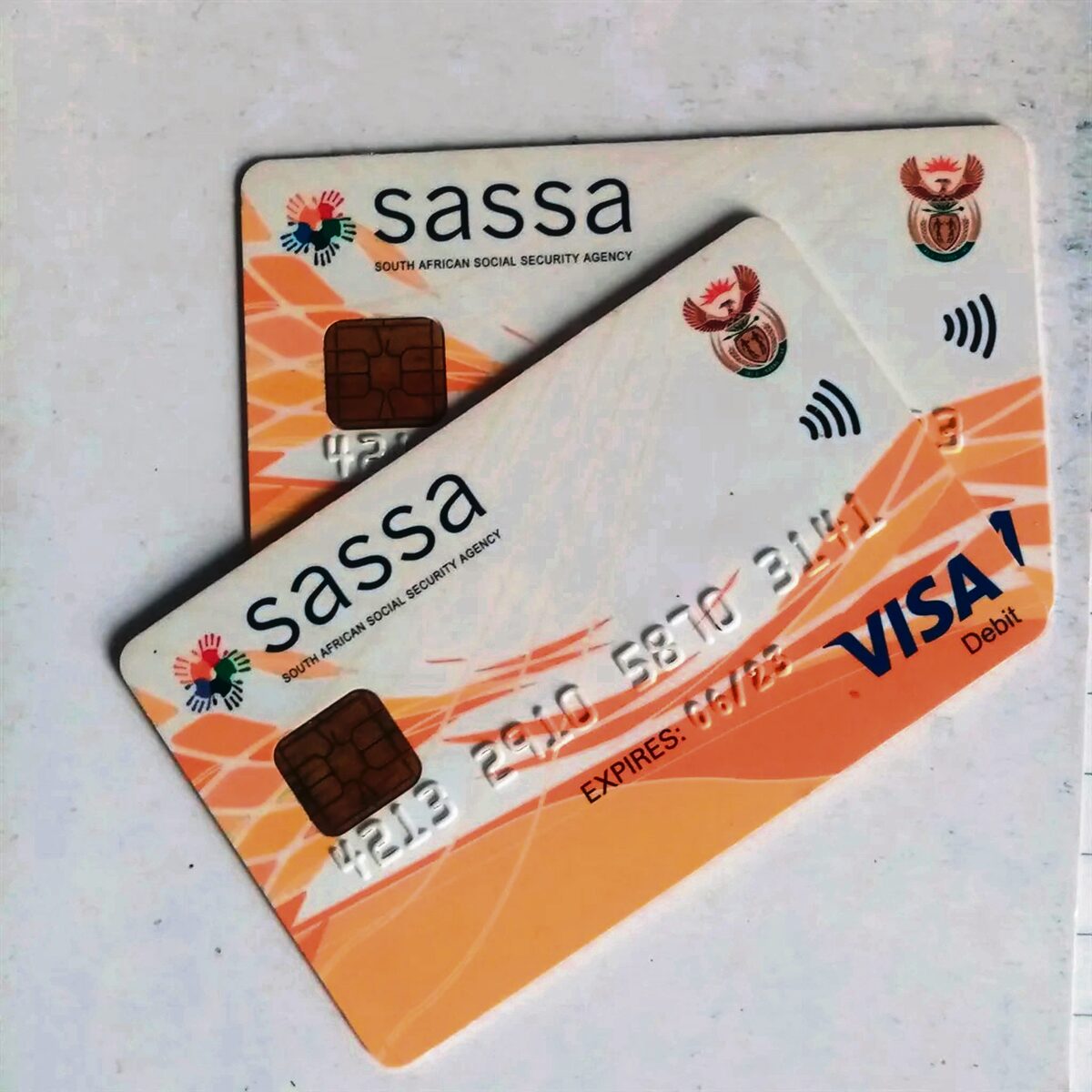
The South African Social Security Agency (SASSA) has saved government approximately R44 million per month through an intensified grant review process aimed at ensuring social assistance reaches only eligible beneficiaries.
The review process, introduced at the start of the 2025/2026 financial year, translates to savings of about R500 million annually as the agency tightens controls in a constrained fiscal environment.
SASSA CEO Themba Matlou said the review process strengthens the effectiveness, reliability and integrity of the social assistance system while guarding against wasteful expenditure.
“The social grant review process is an important step not only to safeguard the integrity of the social assistance programme but to also ensure that public funds are directed to those who need them most, including reducing fraud and misuse of public funds,” Matlou said during a media briefing in Cape Town on Thursday.
The agency planned to undertake 420 000 grant reviews for the current financial year. By the third quarter, nearly 400 000 beneficiaries had been notified to come forward, with approximately 240 000 grants reviewed to date.
About 70 000 grants were suspended due to beneficiaries failing to conduct reviews.
National Treasury closely monitors the process and has set conditions to accelerate implementation, including income verification, biometric checks, inter-agency data cross-referencing and quarterly reporting obligations.
Data matching reveals irregularities
Through data matching with the South African Revenue Service, the agency identified 495 296 clients who appear ineligible to receive grants. Verification is already underway.
A further 162 574 clients were identified through income verification testing involving the National Student Financial Aid Scheme and other entities, while 291 581 individuals were flagged across various government payroll systems.
Beneficiaries identified through this process are required to present themselves for review and disclosure. Failure to comply may result in grant suspension.
The agency said it has strengthened partnerships with credit bureaus, banks, SARS, NSFAS and other institutions to enhance income verification and detect irregular grant access patterns.
Modernisation efforts
SASSA has rolled out compulsory biometric enrolment for all new grant applications and introduced a self-service portal that allows beneficiaries to complete life certification remotely through e-Life Certification.
The agency acknowledged challenges linked to beneficiaries not updating contact details, which can result in missed review notifications. To address this, it introduced a fourth payment date as a signal for beneficiaries to contact SASSA if payment is not received during the normal first three payment days.
Matlou said the agency will progressively make the social grant review process available through self-service platforms to improve accessibility, efficiency and convenience for beneficiaries.
Legal framework
The review process is conducted in line with Regulation 30 and Section 14(5) of the Social Assistance Act, 2004, which requires SASSA to regularly review social grants to confirm beneficiaries’ continued eligibility.
Beneficiaries are legally obliged to report any material changes in their circumstances, including financial or marital status.
The agency stressed that grants are not cancelled solely on the basis of checks. Beneficiaries are notified they are under review, and grants are only suspended if they fail to conduct the review within the legislated time period. Continued non-compliance may result in grants lapsing.
SASSA said it has increased capacity at local offices to manage the expected influx of beneficiaries presenting themselves for reviews.