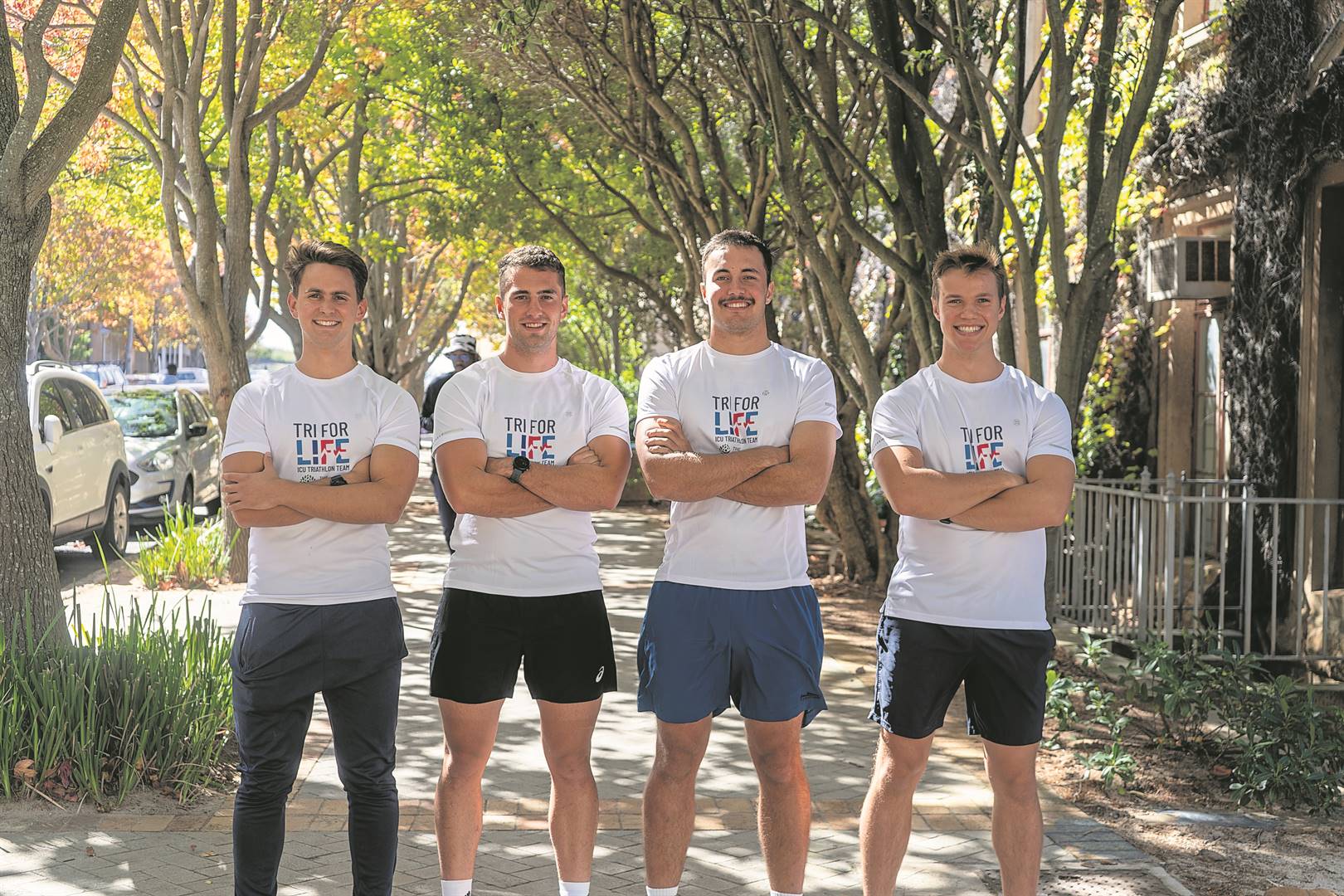


August is Organ Donor Awareness Month, and Transplant Education for Living Legacies (TELL) is dedicated to raising awareness about the critical importance of organ donation.
The organisation aims to educate the public about the life-saving potential of living donations.
There are two types of donors: a living donor and a deceased donor. A living donor can only donate a kidney or part of a liver, and has to be in excellent health, whereas the deceased donor’s suitability will be assessed at the time of death to determine which organs and tissue can be donated.
Living organ donation
You can donate a kidney or part of the liver to a patient on the waiting list – this may be someone you know or a stranger. Donating to a stranger is called an altruistic donation. Donating to someone you know either a family member or friend is known as a related (RLD) or non-related donation (NRLD).
A living donor needs to be in excellent health to withstand the operation and lead a normal life after donation. To be listed for a transplant the recipient goes through a variety of tests and undergoes ongoing assessments by their specialist. Only once the recipient has been cleared to be listed for a transplant will the assessment of the living donor start.
The work-up process for the donor is done in phases and can be stopped at any time if the donor changes his or her mind, or if it comes to light that the donor has a medical condition that will prevent a transplant.
The World Health Organisation (WHO) defines donor selection as follows: “Live donations are acceptable when the donor’s informed and voluntary consent is obtained, when professional care of donor is ensured and follow-up is well organised, and when selection criteria for donors are scrupulously applied and monitored.”
Financial incentives for living donation are prohibited by the Declaration of Istanbul, to which South Africa is a signatory, and also by law in South Africa.
Benefits of living donation for recipient:
- Increase in the overall supply of kidneys and/or liver- opening up space on the transplant waiting list.
- Shortens time on the transplant waiting list for other patients in need.
- Surgery is usually performed before the patient’s condition worsens further, improving the odds of graft (kidney or liver) survival.
- Surgery is scheduled at a time that is convenient for both parties.
- The donated kidney starts to produce urine immediately.
- The liver grows to full size in six to eight weeks.
- Life-saving operation for liver recipients and improving the quality of life for kidney recipients.
- Cost-effective treatment for kidney patients.
- Only available treatment for liver failure.
- For children it improves cognitive and physical development.
- Can return to work full-time or start a career, able to attend school or higher education full-time.
- More energy and time to spend with friends and family.
Benefits of living donation for donor:
- Provides an opportunity to save a life.
- Contributes to the recipient’s life as well as their family and friends in a meaningful and lifelong way.
- Living donors usually live longer due to being healthy to start with and also getting annual health checks.
- Short hospital stay (about one week).
- The living donor can return to work six weeks after the operation.
- Can live a healthy and normal life with one kidney.
- Liver regenerates after six to eight weeks.
- Right to withdraw for participation as a donor at any time.
- The welfare of the living donor is paramount; the transplant will not proceed if the risk to the donor is unacceptable.
- Thorough medical evaluation at no cost to donor, as costs are covered by recipient’s medical aid or by the state.
Kidney and liver patients awaiting a transplant undergo several crucial tests, including a comprehensive medical evaluation, medical history review, and psycho-social assessment; blood tests; imaging tests to assess the current state of overall health; functional tests (liver recipients); infection screenings; a cardiovascular assessment; and general tests such as pap smear, mammogram, BMI and dental health. Some of these tests will be repeated annually or as requested by transplant coordinator.
So too, living donors also undergo a rigorous screening process to ensure they are healthy and suitable for donation. This includes:
Initial evaluation: Detailed medical history, physical examination, and psychosocial assessment to determine overall health and motivation.
Blood tests: Blood type and cross-matching to confirm compatibility with the recipient, as well as tests for kidney and liver function.
Imaging studies: CT scans to assess the anatomical structure and function of the donor’s kidneys or liver. A liver biopsy may also be performed.
Cardiac evaluation: Stress tests, echocardiograms, and other cardiovascular assessments to ensure the donor’s heart can withstand surgery.
Infection screening: Testing for infectious diseases like HIV, hepatitis B and C, and other transmissible infections.
Psychological assessment: Evaluating the donor’s mental and emotional well-being to ensure they understand the risks and benefits of donation.
Once all the tests are completed, the case will be presented to the transplant panel and once they approve the case will be referred to the Department of Health advisory committee for approval for a non-related living donation or altruistic donation. Only directly blood-related donors are not required to get approval from the department.
Living donors can be family members, friends, or even altruistic donors who volunteer to donate to someone they do not know. Key criteria include:
- age – typically 18 years or older;
- good health – donors must have good overall health without significant medical conditions that could complicate surgery or recovery;
- compatibility – blood type and tissue matching with the recipient;
- informed consent – donors must fully understand the risks and benefits and voluntarily consent to the procedure.
During Organ Donor Awareness Month, TELL encourages individuals to learn more about living donation and consider becoming a donor. By stepping forward, you can give someone a second chance at life.
For more information, visit tell.org.za.