

New leadership and “renewed stewardship”.
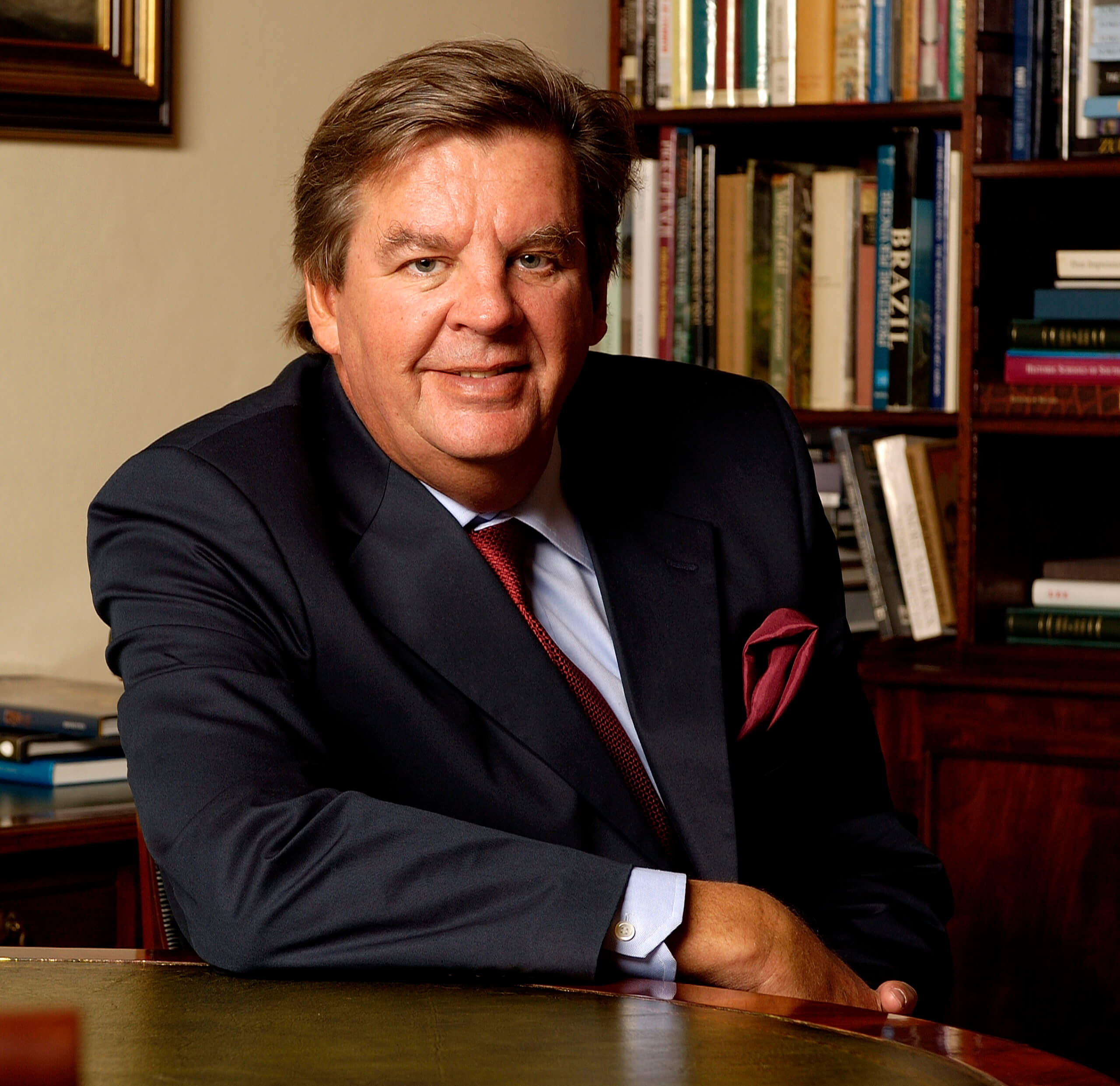
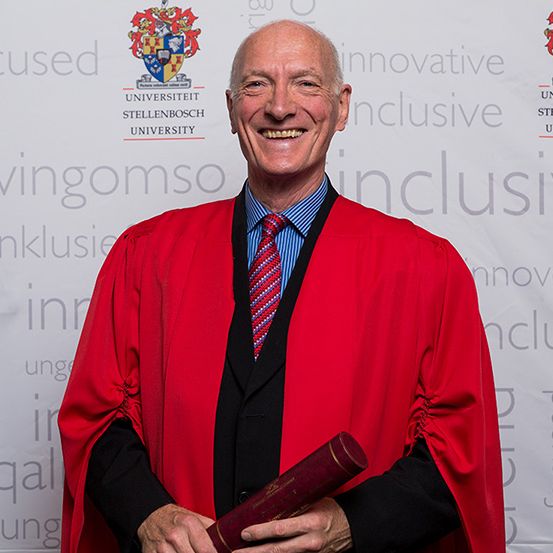
This is what former Stellenbosch University (SU) chancellors Johann Rupert and retired judge Edward Cameron are advocating for as the election of the university’s new council chairperson looms.
“The SU community deserves new and transparent leadership with integrity. Our sincere hope is that it will receive this,” the pair said.
The term of the current SU Council chairperson, Dr Nicky Newton-King, runs until Wednesday 1 April. She was elected the 14th chair of SU Council in April 2023 and is the first woman to hold the position in the university’s existence.
A new chair is expected to be elected at the council’s next meeting on Monday 13 April.
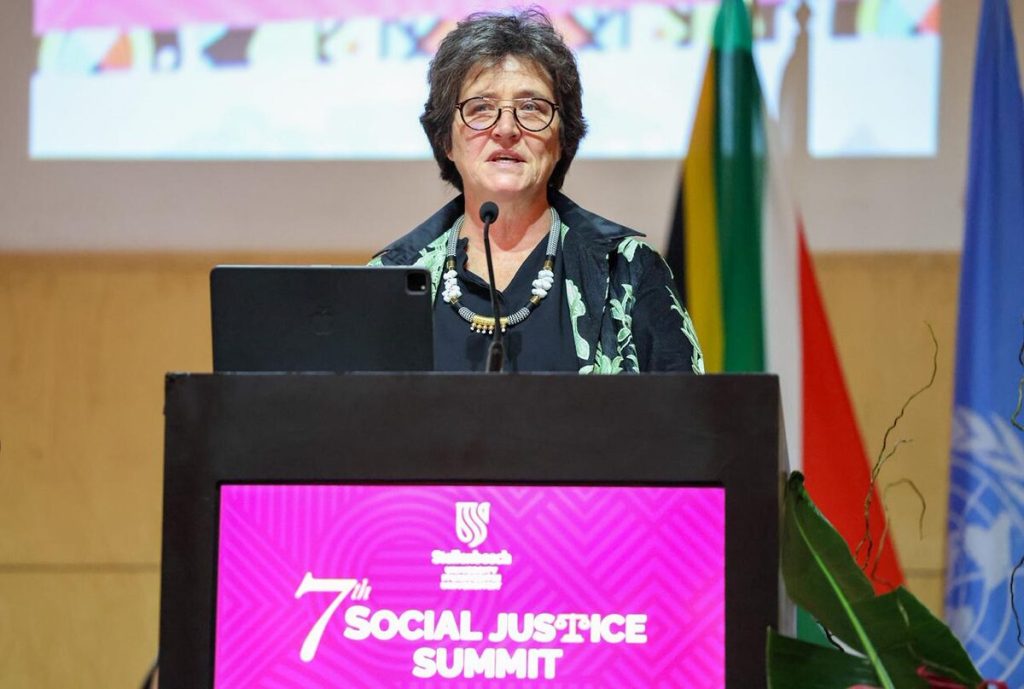
Newton-King, who was first nominated to the council by the Electoral College of Donors, the university’s donor constituency, has apparently indicated that she would not avail herself for re-election as a donor nominee.
In a joint statement issued by Rupert and Cameron on Tuesday (10 March), Newton-King’s acknowledgment that the donor constituency that nominated her to the SU Council “no longer want her to represent them” is indicative of a breach of trust between her and those she represented.
‘Grave lapses’
The pair specifically mention the Kriegler Report of December 2024, labelling Newton-King’s tenure as SU Council chair as “marred by grave lapses in judgement and candour in governance”. “These damaged trust in the Council and the university,” Rupert and Cameron said, adding that they regret Newton-King’s indication that she seeks re-election through another pathway.
The Kriegler Report, commissioned to investigate the controversial Wilgenhof residence, was issued by an independent panel comprising retired Constitutional Court Justice Johann Kriegler, Prof Themba Mosia and Advocate Karrisha Pillay, SC.
Rupert and Cameron, two former chancellors of Stellenbosch University, list findings showing the commissioners “unanimously found” that Newton-King actively helped secretly change an “independent panel” report on the Wilgenhof Residence. She and the then rector, Prof Wim de Villiers, wanted to remove an alternative to closing the residence, which they found “troublesome”.
The panel found that she knew her actions were wrong and that she obtained these changes through process that was “fatally flawed”.
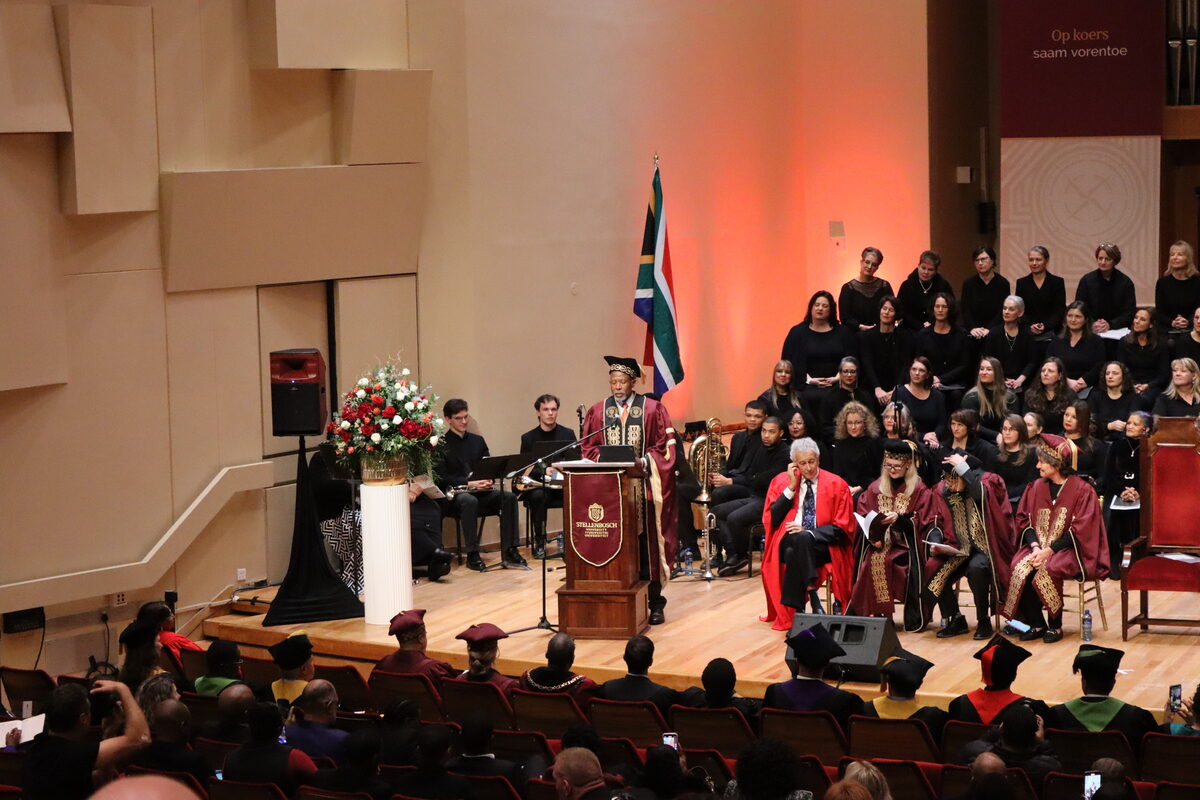
ALSO READ: Wilgenhof saga: US, alumni find common ground
The report also found that Newton-King was required to inform the SU Council about these changes but failed to do so, therefore hiding important information that could have changed the council’s decisions, which was a serious breach of her duties.
When asked to explain why she didn’t fulfill her responsibility to disclose this information, the panel found Newton-King’s reasons to be “palpably illogical”, highlighting the seriousness of both her manipulation of the report and her failure to inform the governing body.
“These governance failures are extremely serious,” Rupert and Cameron said. “Newton-King and the then rector managed to persuade the majority of the then council, in effect, to ignore or overlook the findings of the Kriegler Report. But they can be ignored no longer.
“They highlight the need for renewed stewardship. The future wellbeing and stature of the university indicate that Newton-King should not be considered for re-election. This would risk undermining the progress made in repairing the damage done during her term as council chair.”
‘Privilege to serve’
In response to the statement, Newton-King said: “I have always regarded my responsibility as a council member to act in the best interests of the university and all its stakeholders. While I am one of three council members elected by the donors, my approach has consistently been guided by this broader duty. My discussions with donors have, in fact, indicated strong support for me.
“There are however also some donors who would prefer to be represented by someone else. In the circumstances, I decided not to make myself available for council as a donor candidate. SU is today extremely well capacitated to execute on [current rector] Prof Deresh Ramjugernath’s bold vision. It has been a privilege to serve my alma mater and to be part of council guiding SU to this position.”
University spokesperson Martin Viljoen confirmed the institution is aware of the statement as released by its former chancellors, noting the SU Council released a statement regarding the Kriegler Report matter in December 2024.
He also confirmed she has decided not to make herself available for council as a donor candidate.
ALSO READ: Seasoned higher-education leader appointed SU’s new Rector-VC
By the book
“The election of the next chair of the SU Council at its scheduled meeting on Monday 13 April will follow the process prescribed in the University Statute,” he explained.
“The composition of SU Council is governed by the Higher Education Act (1997) and the University’s Statute, which set out the categories of members represented on council. Elections or appointments for these constituencies – including staff, students, Convocation members, donors and external public representatives – are conducted in accordance with the applicable election rules communicated when nominations and votes are called. All such processes are implemented in line with the university’s governance framework to ensure transparency, accountability and appropriate stakeholder representation.”
Meanwhile, the donor constituency reportedly nominated Louis du Preez, a lawyer and former non-executive director of Pepkor, to replace Newton-King as its representative on the council on Friday 6 March.
As the sole nominee, he was unanimously elected to serve a four-year term on the SU Council from 2 April 2026.


You must be logged in to post a comment.