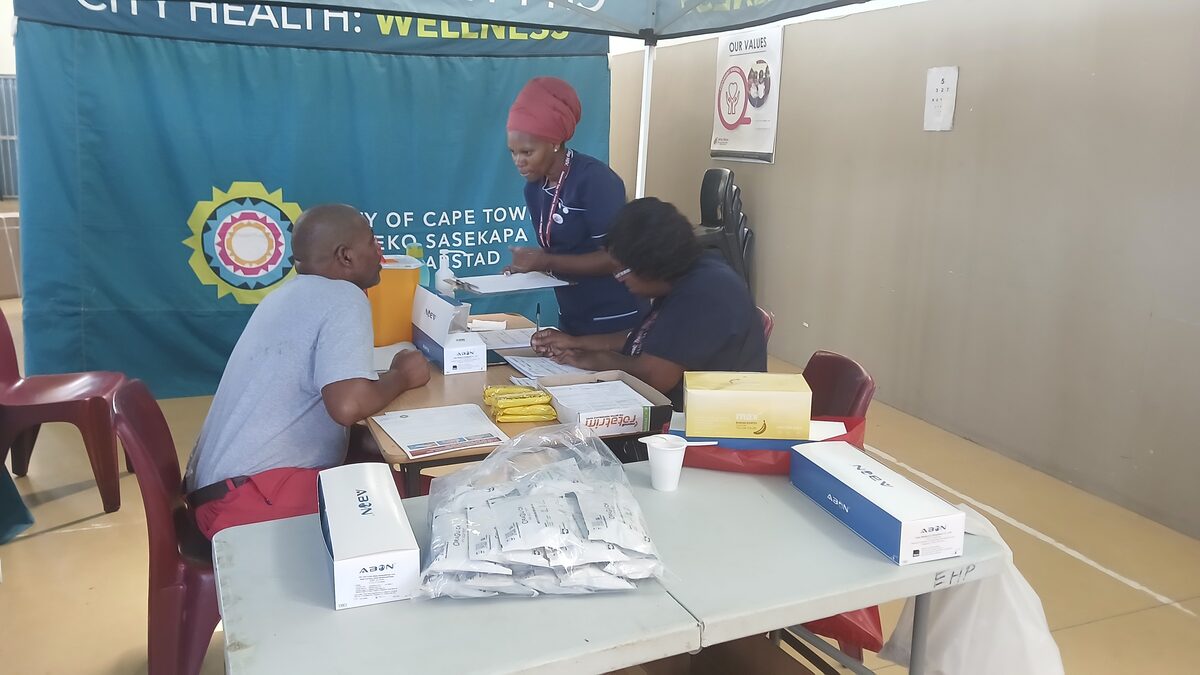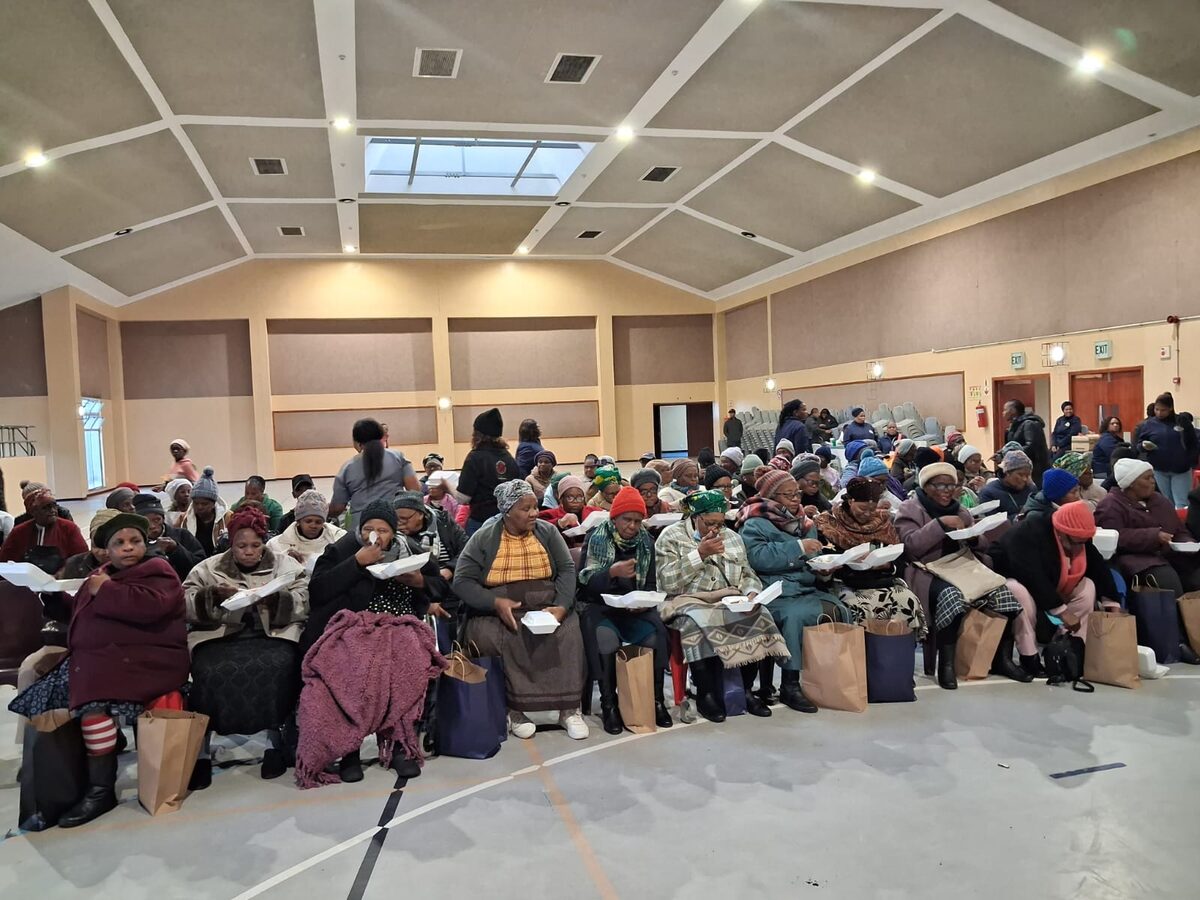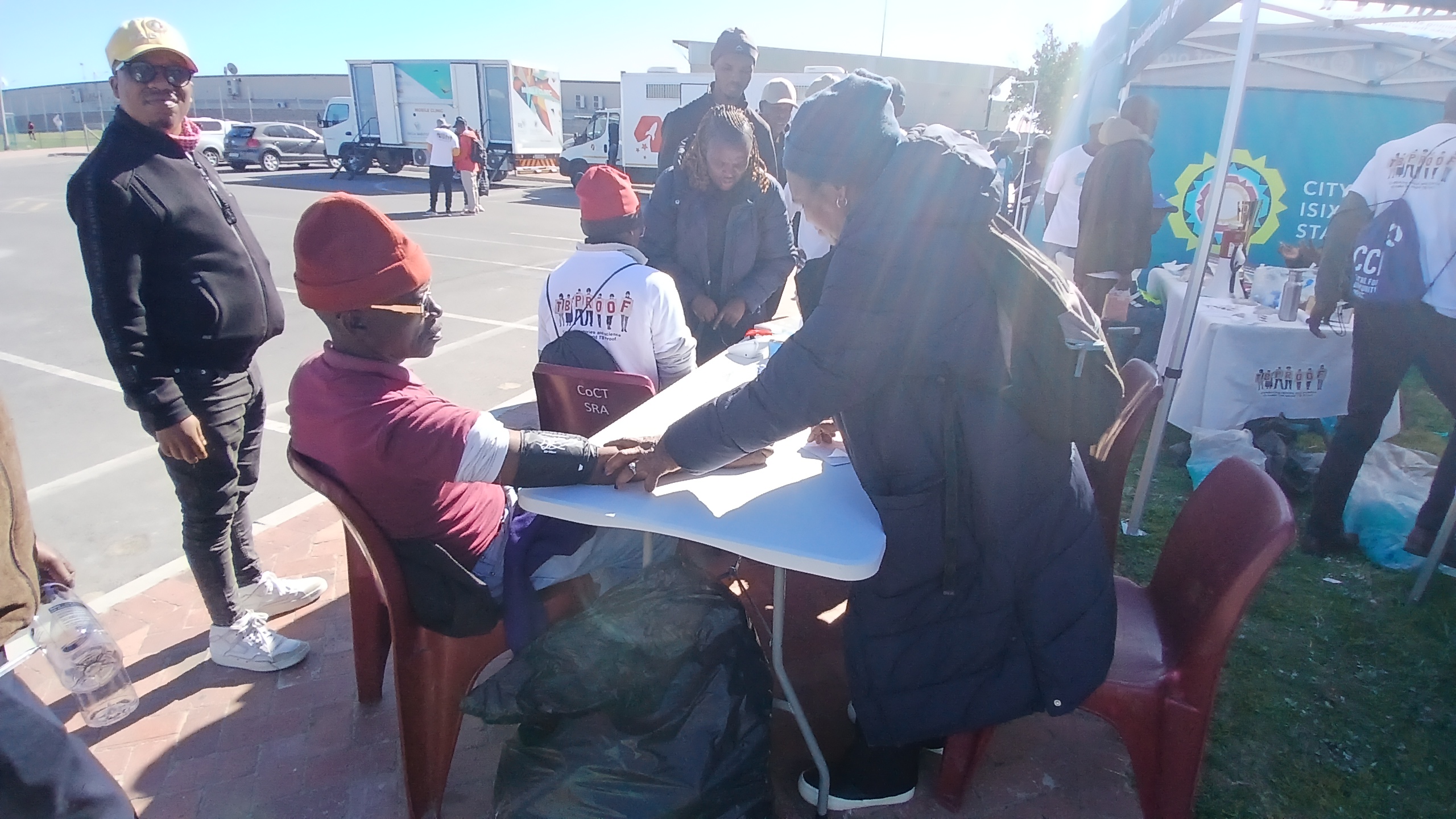

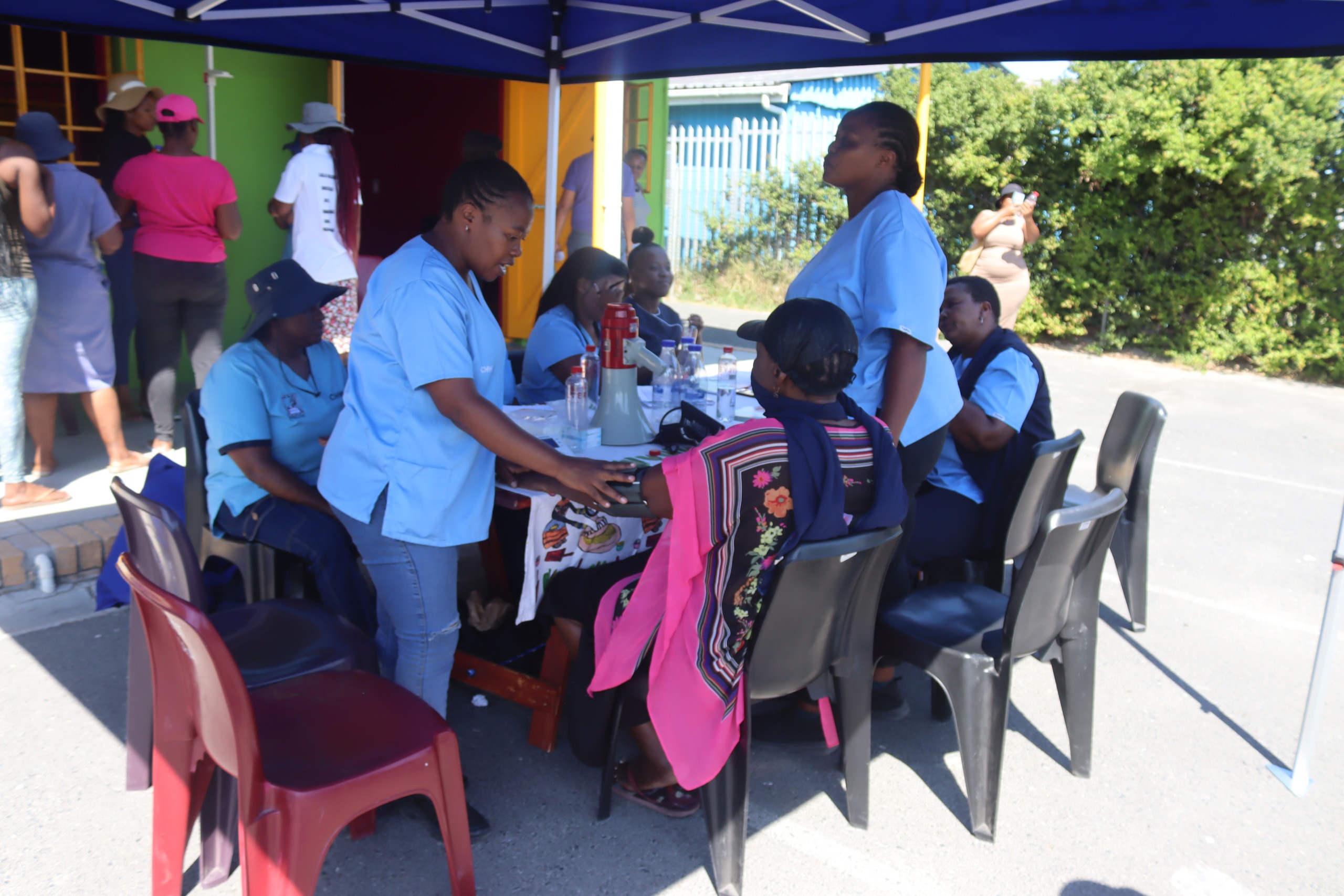
Scores of people from Driftsands in Mfuleni gathered at the Enkosi Educare Centre to commemorate World Tuberculosis (TB) Day on Tuesday 24 March. The event was organised by the Department of Health and Wellness in collaboration with various organisations.
Western Cape Department of Health and Wellness communications officers, Abulele Dyasi, described the event as part of a TB awareness campaign aimed at educating communities about the dangers of the disease. She said the initiative also provides free health services.
Free health services offered to residents
“We are trying to bring services closer to the people. We are not only educating communities about TB, but we also offer testing for HIV, high blood pressure, children’s immunisations, eye testing and more. Everything is free of charge.”
Dyasi encouraged people to test early, complete their treatment and support one another. She added that ending TB forms part of the department’s Healthcare 2030 vision.
Importance of early TB testing and treatment
“Between 1 April 2025 and 28 February 2026 at least 48 388 people were diagnosed with TB in the province, of whom 57% were male. Approximately 46,2% of those diagnosed were between 25 and 44 years old. Our records indicate only 90% of those diagnosed in this period started treatment, despite its being free and effective.”
Dyasi warned that delaying treatment increases the risk of spreading TB to family members and loved ones, while also endangering one’s own health.
World TB Day awareness campaign Mfuleni tackles stigma
Dr Janet Giddy, a consultant at TB Proof, emphasised that TB is curable. TB Proof is an advocacy organisation that works to end the TB pandemic by building advocacy capacity, mobilising resources, reducing stigma and promoting safer health-care facilities.
She urged people to normalise visiting health-care centres for regular check-ups and stressed that there is life after TB.
“I’m a TB survivor. I was infected when young, but I completed my treatment and recovered fully. We want to fight the stigma surrounding TB.” Giddy highlighted the importance of regular testing, noting that not everyone shows symptoms.
“Some people are diagnosed at clinics without showing any symptoms. That’s why it is vital for people to visit healthcare facilities regularly.”
TB survivors share their stories
TB survivor Goodman Makanda said there was a need for greater public education, not only about TB but other diseases as well. “I was diagnosed with multi-drug-resistant TB (MDR-TB) in 2013. At that time, treatment lasted up to six years. When I had only two months left I was diagnosed with extensively drug-resistant TB (XDR-TB), which required a further two years of treatment. In total I underwent treatment for four years.”
He added that treatment durations have since improved and can now be as short as six months.
Makanda said he initially had no symptoms and only sought medical help after coughing up blood. A private doctor referred him to a clinic for further tests.
“Today, I am living a healthy life like anyone else.”