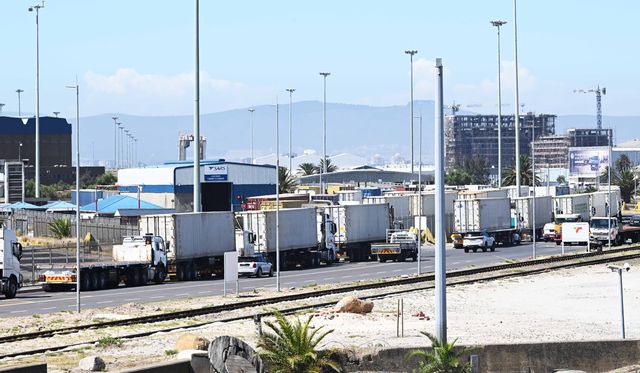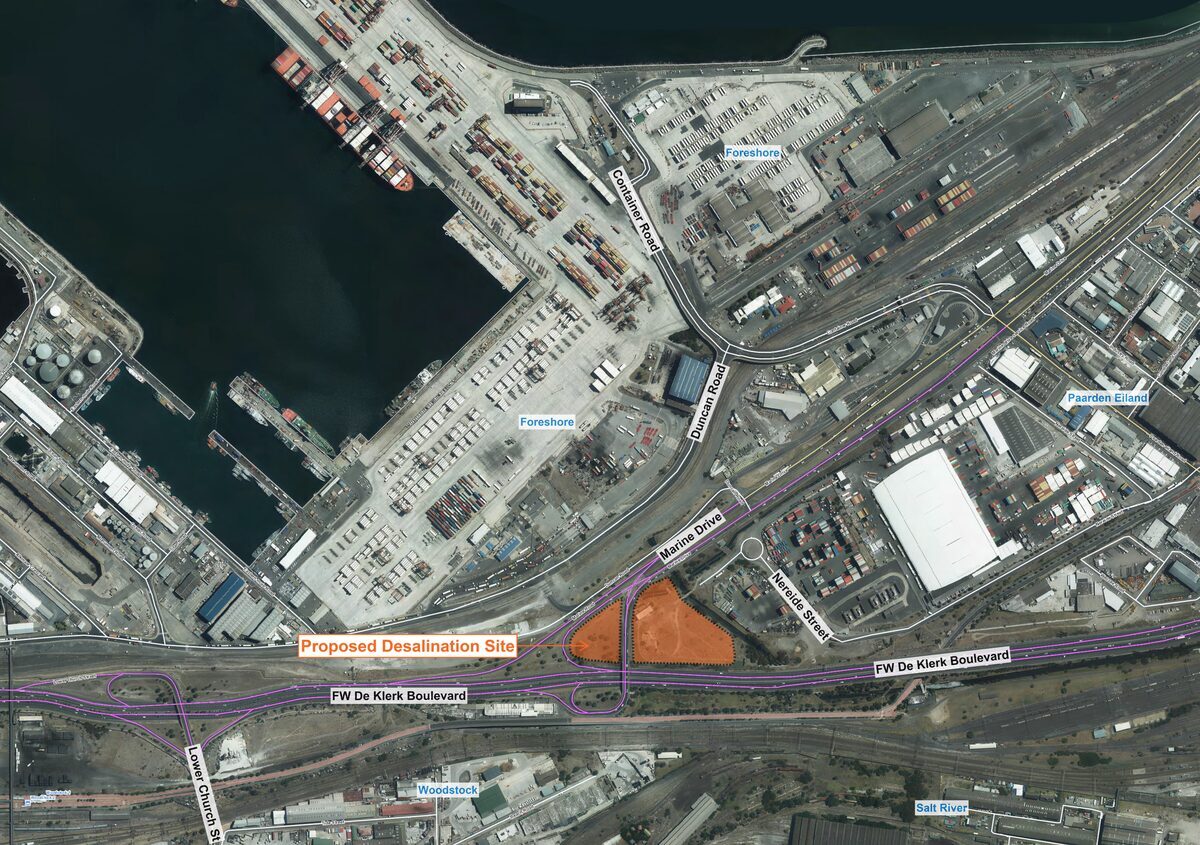

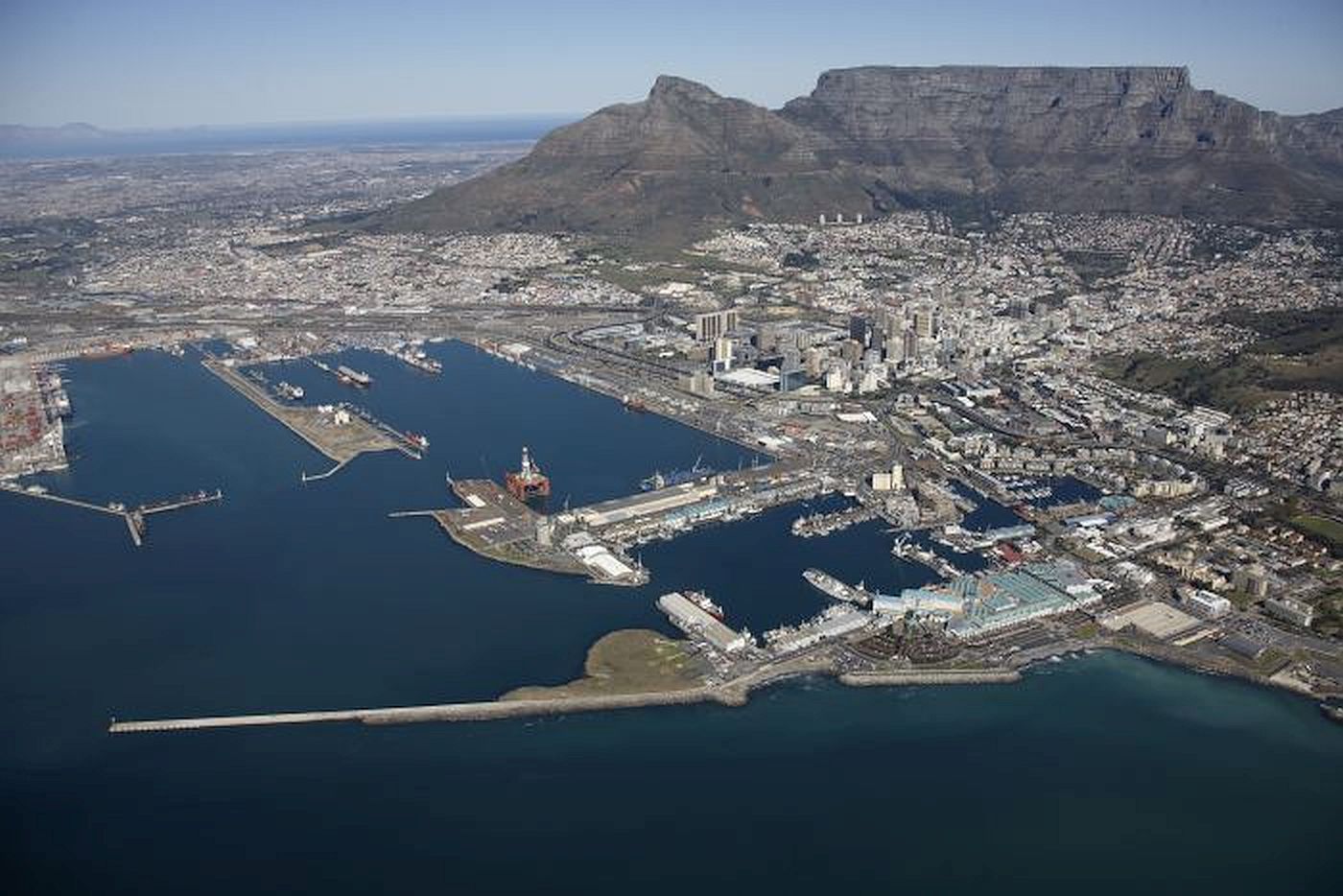
The City of Cape Town has renewed its calls on Transnet to accelerate efforts to improve efficiencies at the Port of Cape Town, after the port was ranked last in the latest World Bank Container Port Performance Index (CPPI).
James Vos, Mayco Member for Economic Growth, said South Africa cannot afford a port that under performs, and that all options for structural improvement — including increased private sector involvement in operations — deserve serious consideration and enablement.
Port ranked last globally
“While Transnet has made investments to improve port operations, we are still not seeing this improvement reflected in the latest global port rankings. This should concern everyone who cares about economic growth, exports, investment, and job creation in South Africa,” said Vos.
He acknowledged that reforms and partnerships are beginning to yield improvements elsewhere in the country’s port network, but said Cape Town continues to struggle with operational inefficiencies that undermine competitiveness and frustrate exporters trying to get their products to international markets.
The City noted steps taken by port authorities to improve efficiencies, including Requests for Proposals to operate the Liquid Bulk Terminal and a cold storage terminal, but said greater private sector involvement cannot come soon enough.
ALSO READ: Cape Town wins double international recognition as top travel destination
“The City will continue to provide its full support to port authorities in reforming port inefficiencies,” Vos said.
Business bears the brunt
In engagements with businesses, exporters, and investors, Vos said one issue consistently rises to the top of the agenda — the performance of the Port of Cape Town.
“Whether it is agricultural producers trying to get fresh produce to overseas markets, manufacturers moving goods through supply chains, or logistics operators attempting to plan with certainty, the message is remarkably consistent. The port remains one of the biggest constraints on economic growth in the Western Cape,” he said.
Research commissioned by the Western Cape Government found that a more efficient Port of Cape Town could unlock approximately R6 billion in additional exports, support nearly 20 000 jobs, generate more than R1.6 billion in additional tax revenue, and add meaningful growth to the provincial economy.
Vos said Cape Town’s strategic location on one of the world’s busiest shipping routes, together with its diverse economy, world-class industries, and globally recognised tourism sector, means the port should be a competitive advantage — not a bottleneck.
ALSO READ: Cape Town cruise tourism soars to record heights
“Cape Town should have one of the most efficient ports on the African continent. Our port should be a competitive advantage that strengthens our position as a leading hub for trade and investment. Instead, it too often acts as a bottleneck that constrains growth and limits opportunity,” he said.
Time to deliver, not deliberate
The City’s position, said Vos, is unambiguous: the port must work better, and the City will use every legitimate avenue available — partnership, advocacy, stakeholder engagement, and reform — to make that happen.
“The time has come to stop talking about reform and start delivering it. Every day that meaningful reform is delayed is another day in which exporters face unnecessary obstacles, investment opportunities are placed at risk, and economic growth is constrained. Cape Town, the Western Cape, and South Africa simply cannot afford to wait any longer,” he said.