


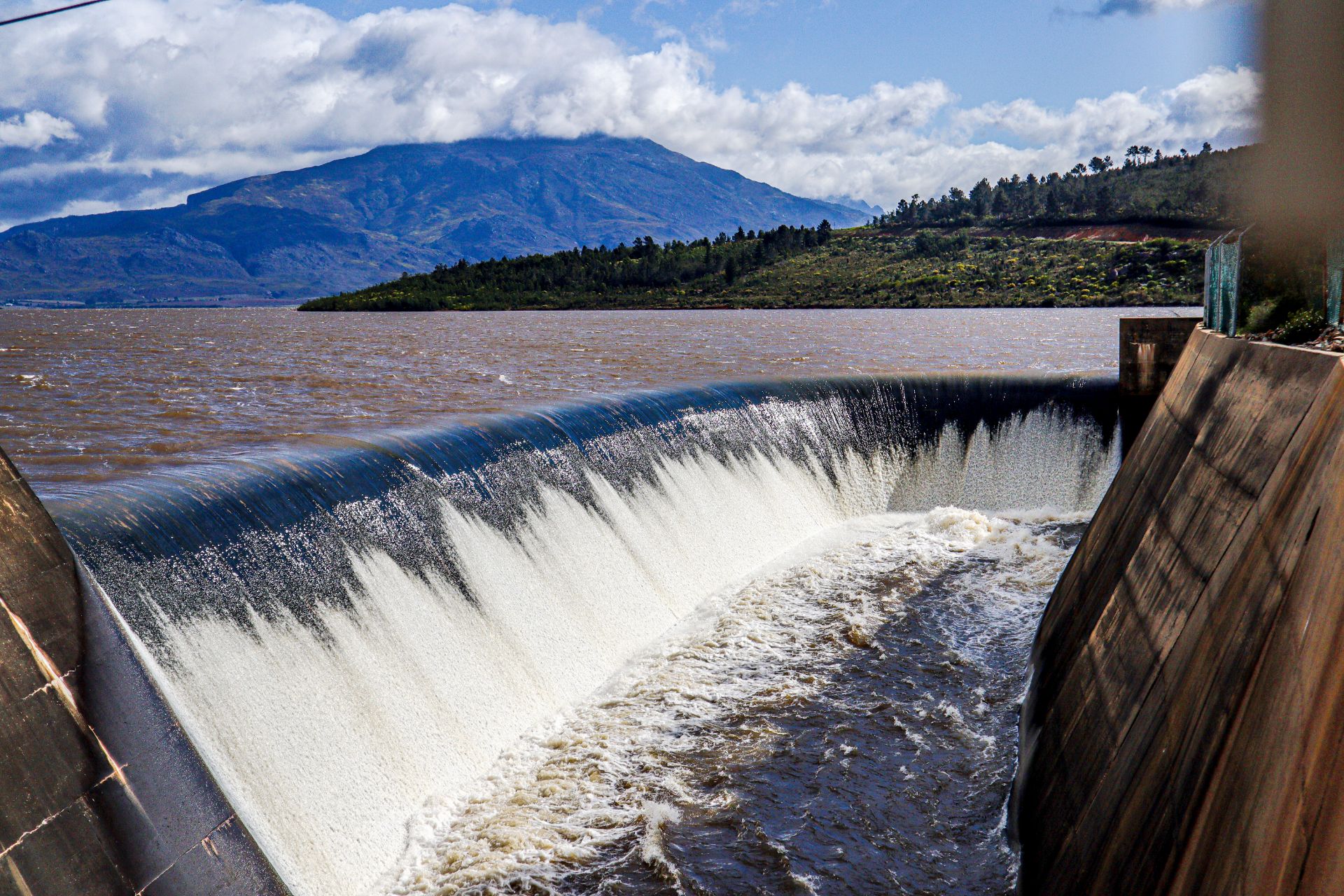
As hot temperatures continue to soar around the Western Cape, authorities are cautioning of the devastating impact on the provincial water supply.
According to a latest data from the Department of Water and Sanitation (DWS), combined Cape Town System Dams (CTSD) decreased from 71,32% to 68,12% in the last seven days.
This is significantly low compared to the same period last year, where they stood at 87,66%.
Cape Town System Dams consist of Wemmershoek, Voëlvlei, Steenbras Upper and Lower, Theewaterskloof and Berg River Dam.
The Berg River Catchment alone dropped from 76,38% to 73,88% from 87,56% last year.
Steenbras Upper declined by nearly four percent from 90,30% to 86,76%, more than 10% from 96,86% last year.
Steenbras Lower is now at 63,80% from 67,39%. This is significantly lower compared to 81,19% capacity during the same period last year.
Voëlvlei dropped from 79,37% to 76,98%, compared to 88,76% last year.

Berg River decreased fron 73,02% to 70,52%. During the same period last year, it stood at 89,16%, while Wemmershoek, which stood at 83,44% now stands at 73,44%, down from 75,69% last week.
Theewaterskloof, which is the province’s biggest dam, now stands at 63,39% from 67,13% capacity. This is a massive drop of over 20% from 87,81% this time last year.
The recent data follows a warning by the City of Cape Town authorities for users to reduce “non-essential water consumption”.
The City has set a collective water-wise target of less than 975 million litres per day (MLD) for the summer season. This stood at 1,025 MLD as of Wednesday 31 December. “While there is no immediate reason for concern, all Capetonians, visitors and businesses are encouraged to carefully manage their water use over the coming months,” warned Zahid Badroodien, the City’s Mayco member for water and sanitation.
The water consumption target was established to mitigate risks associated with below-average or unpredictable rainfall expected this year, ensuring the City maintains a reliable water supply throughout the summer months.
The call for conservation comes as climate change increasingly alters rainfall patterns across the Western Cape. Scientific projections indicate the region will likely experience greater variability in future rainfall, with extended dry spells and more intense but less frequent precipitation



You must be logged in to post a comment.