

The Barolong Boo Seleka wants to be the first community to have food security in Africa.
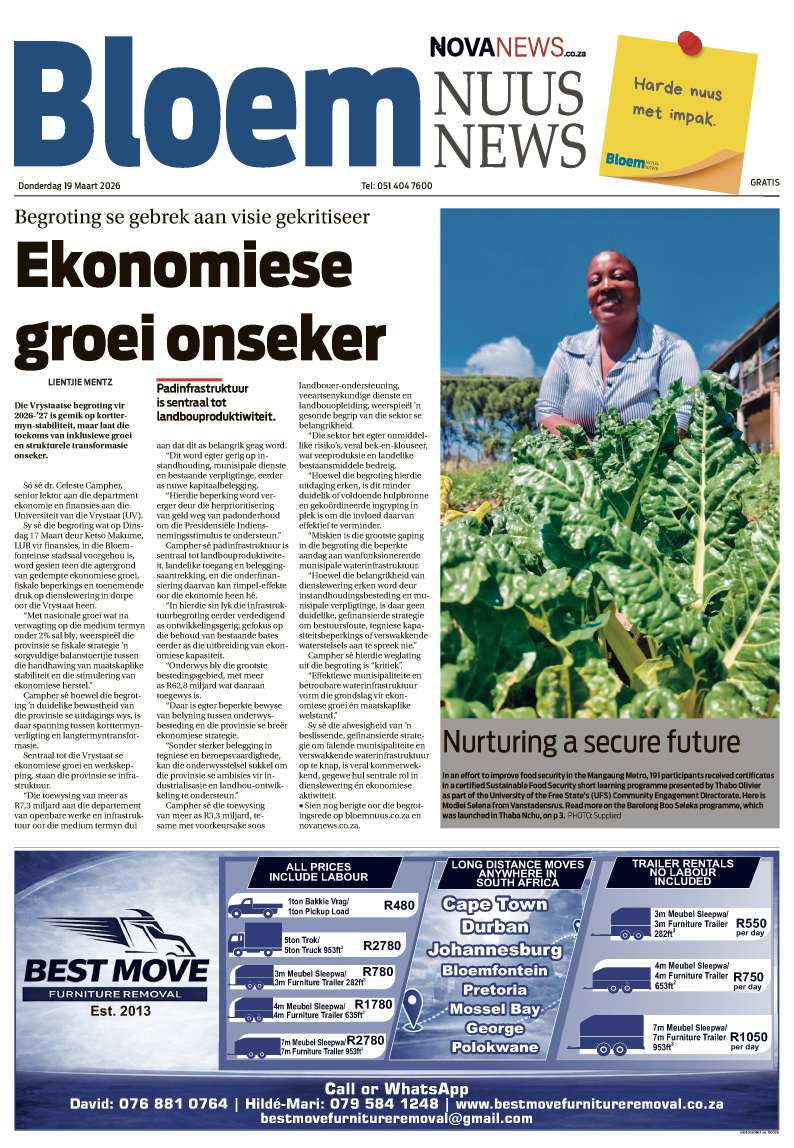
This was the focus behind the launch of a community-driven agricultural programme on Thursday 12 March at the Barolong Community Hall in Thaba Nchu, aimed at empowering households through food security, skills development and sustainable farming.
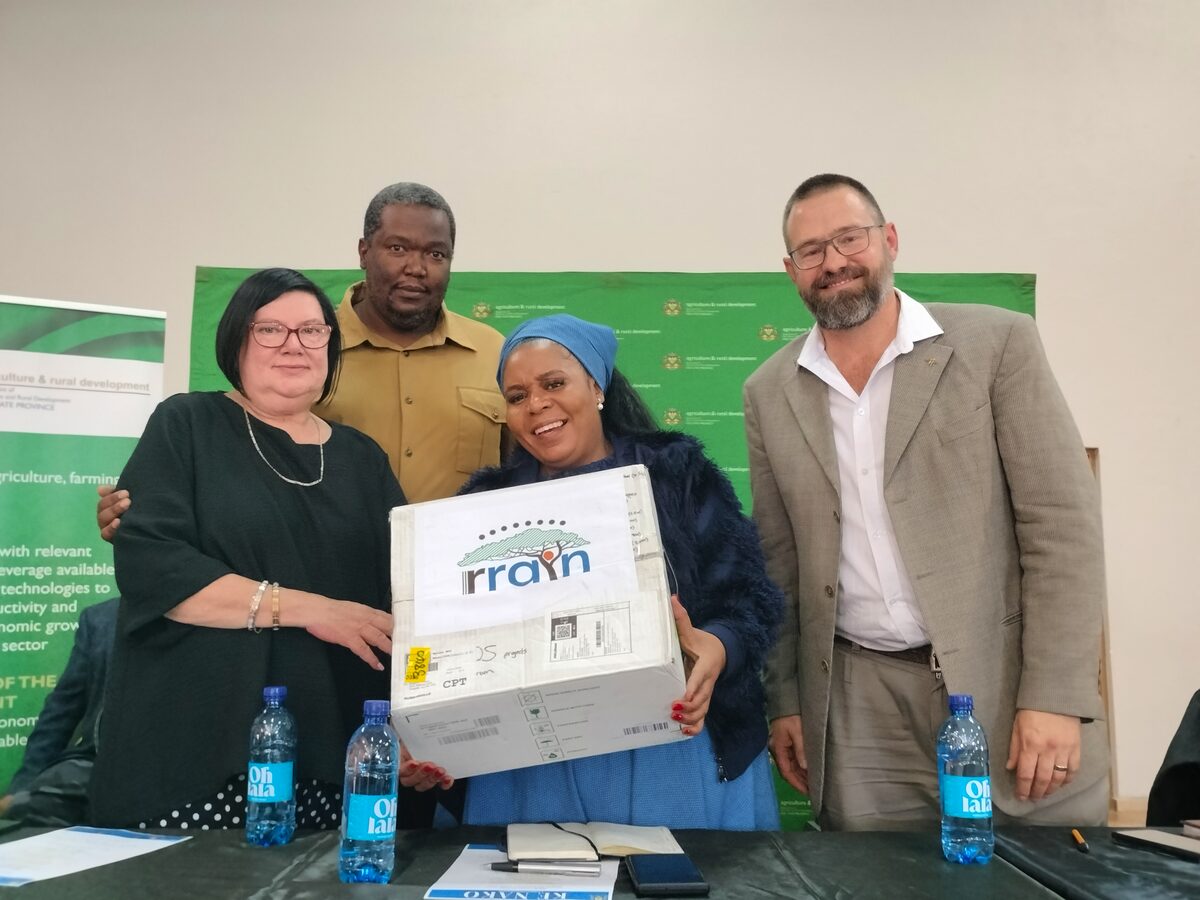
Some of the guests at the launch held by Kgosi Gaboilelwe Moroka, was Bishop Billyboy Ramahlele, director of Community Engagement at the University of the Free State (UFS); Barend Uys of the Resilient Regenerative Agricultural Initiative (Rrain) driven by the AfriForum and Saai; Dirk Hanekom, of Agri All Africa; Stephan van Rensburg, of Ys Community; and Elsabe Rockman, MEC of Agriculture Free State.
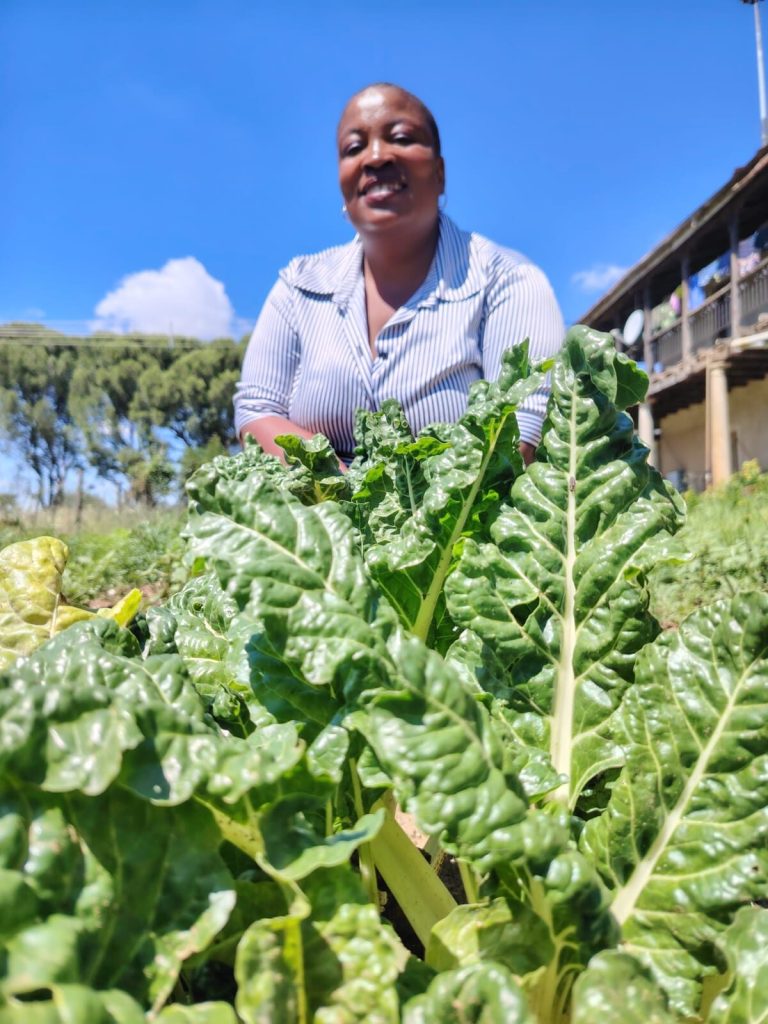
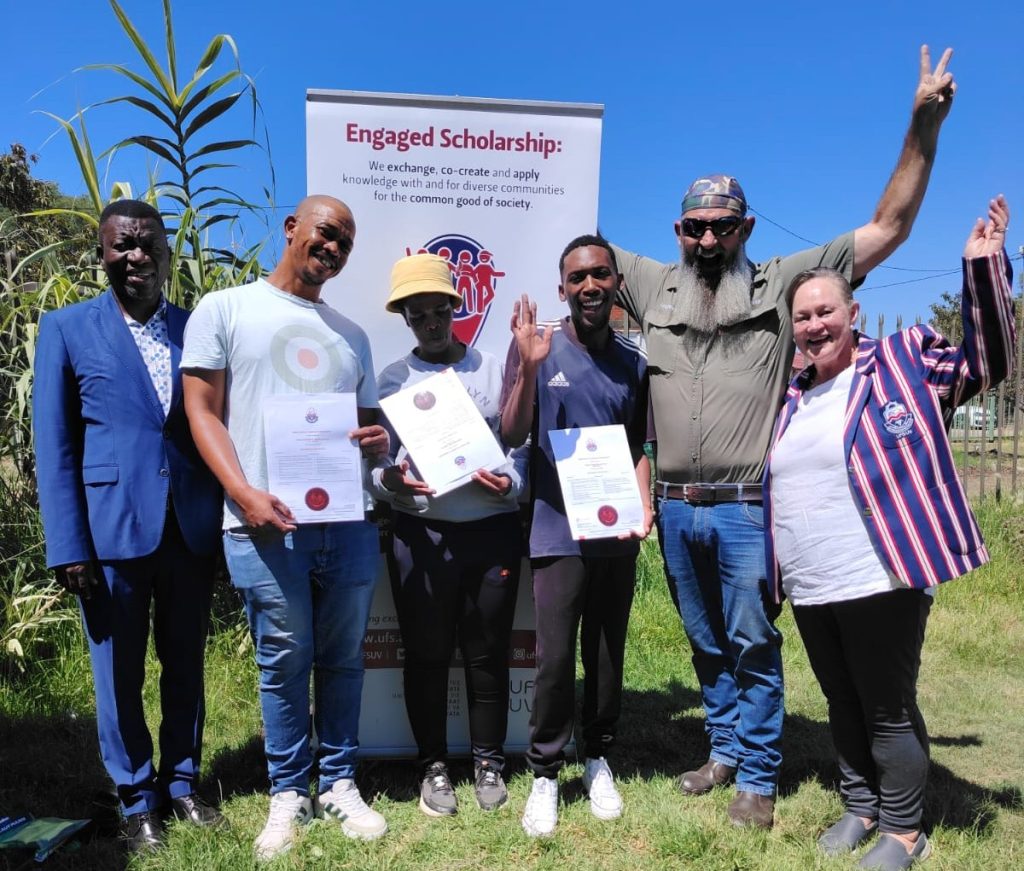
The launch coincided with a multifaceted project through which 191 participants from the seven towns in the Mangaung Metro received training in gardening and sustainable food production.
Thabo Olivier of Let’s Grow Food and Backyard Gardens talked about the project in partnership with the UFS, which focuses on low-cost, organic and environmentally friendly gardening methods.
In the practical gardening programme, which offered both theoretical foundations and hands-on instruction, participants learned about everything from soil health to composting, companion planting, water conservation, planting calendars, and a positive mindset for sustainable gardening.
They have been prepared to construct mini greenhouses, plant seeds in trays, construct a shade tunnel, prepare organic pest solutions, and repurpose household waste into gardening tools.
The aim is not simply to teach gardening, but to create lifelong skills and even pathways to micro-enterprise opportunities.
Communities were selected for this project through a focus on areas with high levels of food insecurity, limited access to fresh produce, lack of prior exposure to structured training in food growing, and strong willingness to participate.
The programme also included a sustainability phase to ensure gardens continue to grow and thrive with follow-up support, peer-learning WhatsApp groups, refresher workshops, and connections to agricultural resources and partners, as well as community showcase events at the university.
Olivier said production was now well-established and, together with other stake holders, they aimed to process the produce to increase income.
Uys announced that 20 community members from the Barolong Boo Seleka will be funded in the backyard-vegetable project. Rrain also handed over 500 000 beetroot and babymarrow hybrid seed for this puppose.
In the long term the Barolong wat to cultivate the 70 000ha owned by the community for future food security.



You must be logged in to post a comment.