R600 million. In a month. For one security concern.
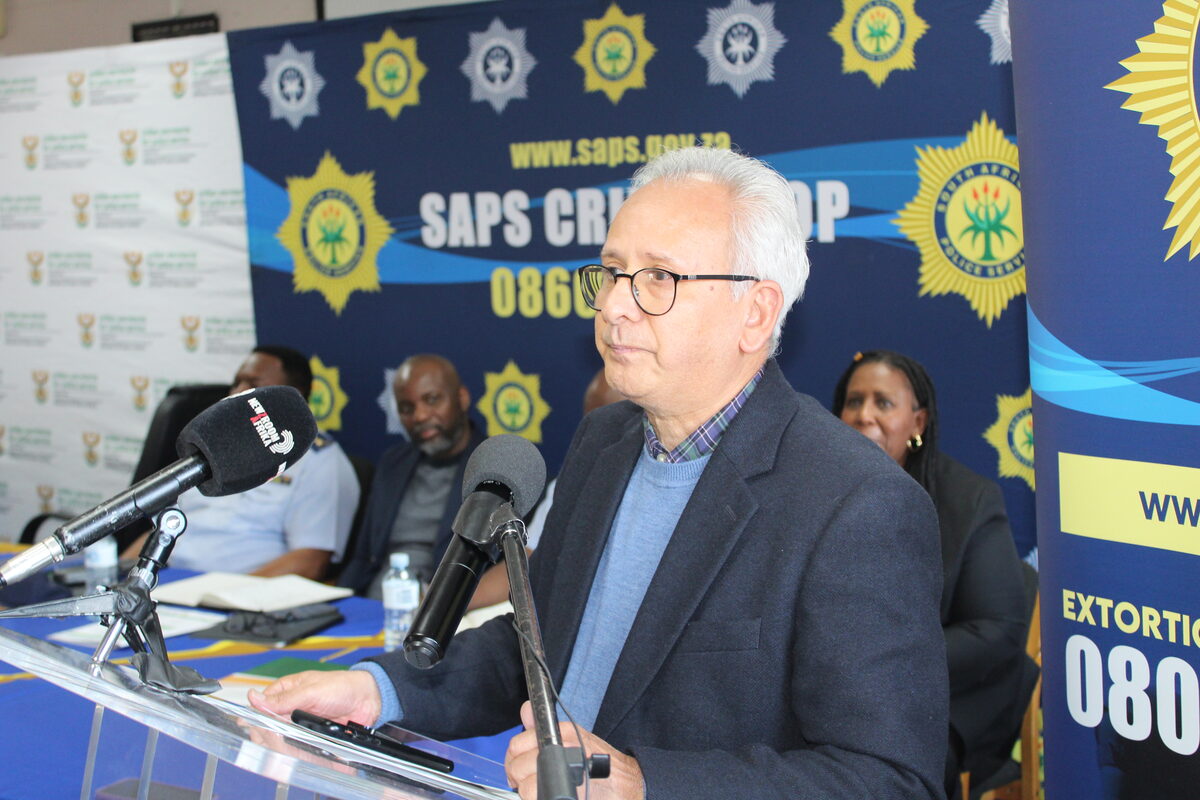
Acting Police Minister Firoz Cachalia put that number on the table when estimating what policing the 30 June anti-illegal immigration demonstrations could cost. The exact amount, he said, would depend on operational needs.
But let that number sit for a moment.
Young people in this country have been unemployed for years not weeks, years. Public hospitals are breaking down. Schools are understaffed. Communities are being buried by violent crime. The state’s response to all of it has been committees, frameworks and promises that arrive slowly, if at all.
Then a march is announced. And suddenly, R600 million is ready.
That is not a coincidence. That is a priority.
Budgets do not lie
Politicians speak carefully. Budgets do not.
Every rand the state spends is a decision about what matters and what can wait. Spending is approved through Parliament and departments have separate mandates that is true. You cannot simply move money from policing to job creation. But the speed with which significant resources appear when the state feels threatened tells you something that no press conference will.
It tells you what government treats as an emergency.
And that is the question the immigration debate has forced into the open not whether borders should be controlled, but why some crises trigger immediate action while others are managed with patience the people suffering them never asked for.
The law is clear. The debate is dishonest.
South Africa has every right to enforce its immigration laws. The Immigration Act is unambiguous: the state processes visas, manages borders and removes foreign nationals with no legal basis to remain. That is not controversial. That is governance.
But here is what the loudest voices in this debate will not tell you.
The Constitution protects the dignity and rights of every person inside South Africa’s borders citizen or not. International agreements require the state to distinguish between an undocumented migrant, an asylum seeker, a refugee and a documented foreign national before taking any action against them. That is not a loophole. That is the law.
“Illegal immigrant” has become a catch-all that ignores all of that. It is a phrase designed to end a conversation, not inform one.
The border is not the problem
South Africa shares more than 4 700 kilometres of land borders with six countries. Sealing that is not a policy. It is a fantasy.
More than that it misunderstands why people move.
Poverty moves people. Conflict moves people. A collapsing economy at home and the possibility of work across the border moves people. South Africa, with all its difficulties, remains one of the largest economies in Southern Africa. For many migrants it is not a first choice. It is the only choice.
Calling for closed borders does not close those reasons. It just allows a government to look decisive without doing anything difficult.
The harder questions point at the state
Here is what the immigration debate has carefully avoided asking.
If undocumented migration is now large enough to drive national protest, what does that say about border management over the past decade? Were problems identified and underfunded? Did corruption inside parts of the immigration system quietly undo whatever enforcement existed? Did institutional weakness turn a manageable challenge into a crisis?
Those questions are uncomfortable because they lead back to government not to migrants.
And then there is the unemployment argument, the one driving much of the anger in this debate. Research has not shown undocumented migration to be the primary cause of South Africa’s unemployment. That crisis is structural. It lives in low growth, crumbling infrastructure, state capture’s lasting damage and an economy that has not created enough jobs for its own citizens in decades.
Blaming migrants for that does not create a single job. It just redirects the frustration.
The question that will outlast the headlines
The marches will pass. The headlines will move on.
But the immigration debate has cracked something open that will not close easily. It has shown that when government decides something is urgent, resources appear. Plans are made. Action follows.
And for millions of South Africans living with unemployment, crumbling services and daily violence not for a month but for years that is the wound.
Not the migrants.
The knowledge that this government can move when it wants to.
And the growing suspicion that their suffering has never quite been urgent enough to make it want to.