Wynberg Storm Electricity outages dominate Ward 62 storm response
Wynberg storm electricity outages have hit Ward 62 harder than any other area, according to the ward’s latest incident log. The ward recorded 80 storm-related incidents in total. Of these, 56 were electricity-related complaints and 11 were sewer-related reports.
Wynberg bears the brunt of storm damage
Ward 62 councillor Emile Langenhoven confirmed that Wynberg suffered the most severe overall impact. Repeated power failures disrupted both households and small businesses.
“The impact on businesses due to power outages has been severe in the Chelsea area in Wynberg, but residents have mostly been impacted,” Langenhoven said.
Constantia logged 20 electricity-related incidents. Newlands recorded 19. Both figures point to widespread power disruption across the surrounding suburbs.
Residents without power for up to four days
Some residents lost electricity for up to four days. Certain service requests took four days before teams attended to them. Flooding hit low-lying areas, including Rockley Road and Devonshire Road near the canal. The ward office resolved these flooding incidents relatively quickly.
Langenhoven noted that drainage systems held up well during the storms. Electricity infrastructure, however, faced strain due to the high volume of faults.
“The City has been well prepared to respond to the current storms, but the scale could not be predicted,” he said.
Residents describe worst storm in 40 years
The Wynberg Residents and Ratepayers Association (WRRA) said many long-standing residents described the storm as the worst they had experienced in more than 40 years. Marc Bernitz of the WRRA said these accounts reflected the true severity of what the community endured.
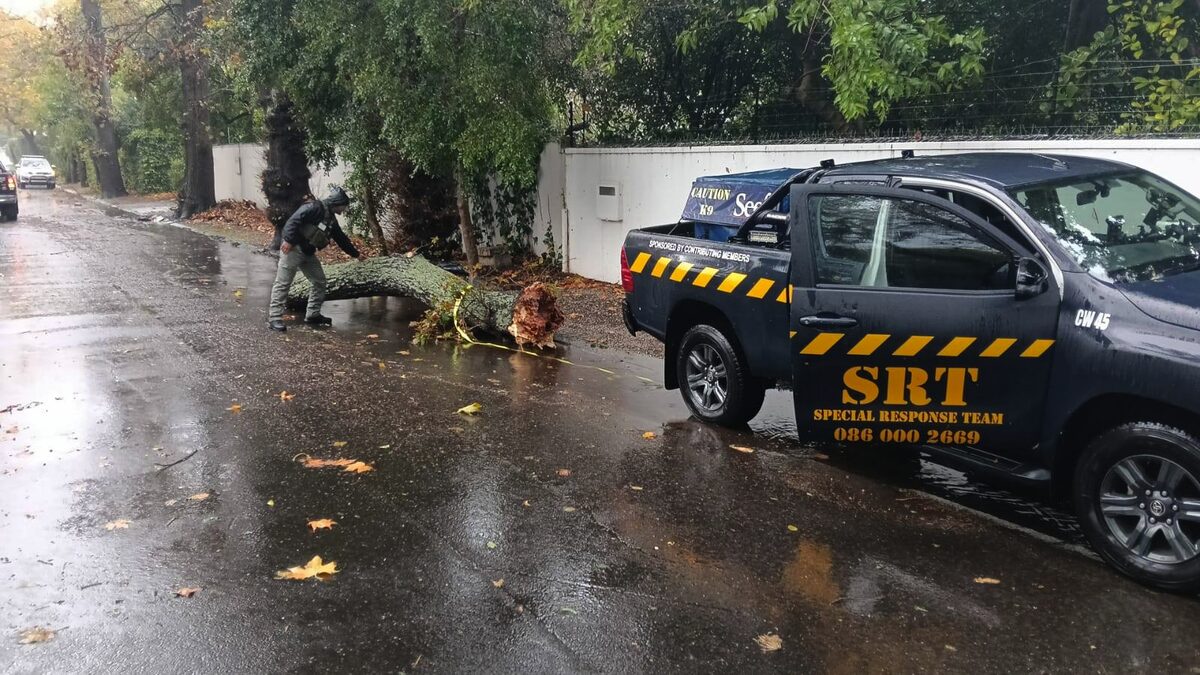
Bernitz acknowledged the work done by City teams, contractors and emergency personnel who operated in hazardous conditions. However, he said the storm had exposed deeper concerns about preventative tree maintenance. He pointed specifically to trees weakened by the polyphagous shot-hole borer beetle.
“This is not a new risk, and residents are entitled to ask whether sufficient proactive work has been done to identify and manage vulnerable trees before they fall onto roads, homes and electricity infrastructure,” Bernitz said.
Repair teams tackling the backlog
Repair teams are currently working through the electricity fault backlog. Parks and recreation teams are clearing fallen trees and branches across affected areas.
The depot that serves the ward received additional equipment, including a grabber truck and a cherry picker. These tools speed up clean-up operations and support preventative maintenance
City-wide storm response figures
The City of Cape Town has attended to more than 8 930 electricity service requests since 11 May, out of 13 783 logged across the metro. Southern areas alone recorded 6 161 requests. Teams logged a further 3 568 as they continued to clear and update data. The City noted these figures change as teams process requests and remove duplicates.
Mayco member for energy Xanthea Limberg said the scale of storm damage caused longer restoration times in some areas.
“The City’s work to restore electricity in all areas is ongoing. Thus far, we’ve successfully attended to more than 8 930 service requests,” Limberg said.
She added that many repairs required full infrastructure replacement, not simple reconnections.
“In many cases, repairs require complete replacement of damaged infrastructure, rather than simply switching power back on,” she said.
Limberg confirmed that most faults occurred within low-voltage networks. High- and medium-voltage systems remained largely resilient.
Priority areas and community support
The City redirected teams to the worst-affected communities in the south, including Mitchell’s Plain, Wynberg, Gugulethu and Muizenberg. Residents shared resources such as showers and food storage during the disruptions, providing community-level support. Before the storms arrived, the City’s Displaced People’s Unit visited known homeless sites and offered access to shelters, including The Haven and U-turn in Wynberg.
What residents should do
The City urges residents to log faults through a single reporting channel. This avoids duplication and prevents delays. Residents should stay away from damaged electrical infrastructure, including downed power lines. Report any hazards immediately so technical teams can respond safely. Langenhoven said the priority is restoring electricity and keeping residents informed as repairs continue. The City updates its outage list continuously.
Areas not listed are not necessarily unattended.
ALSO READ: Muizenberg surfers unite to raise R282 590 for vulnerable youth