The Western Cape Education Department (WCED) is set to modernise its administrative operations by modeling its upcoming digital strategy on the Department of Home Affairs’ (DHA) successful digital transformation reform programme.
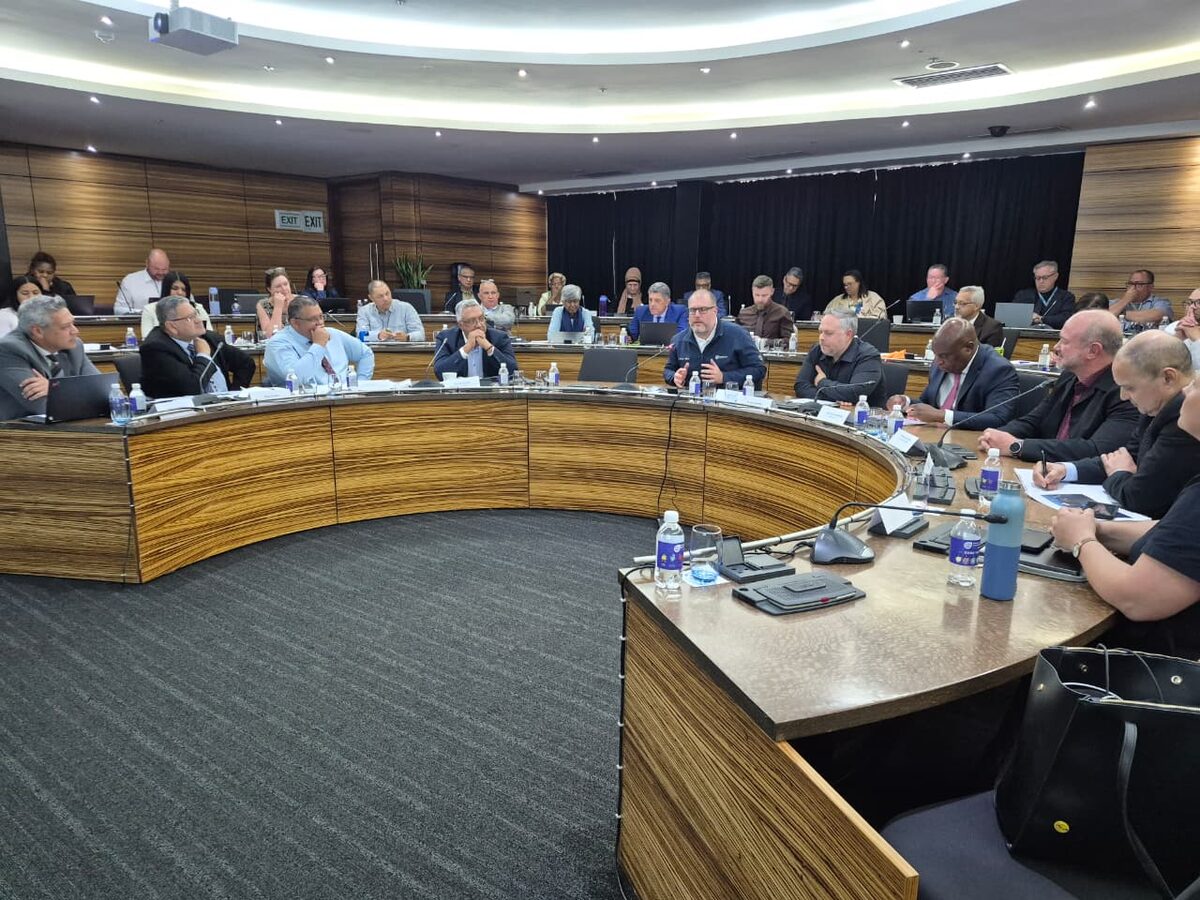
In a major intergovernmental session held yesterday on Tuesday 27 October, Minister of Home Affairs, Dr Leon Schreiber, and DHA Director-General Tommy Makhode met with Western Cape Minister of Education Jaco Londt and WCED Head Brent Walters.
The high-level meeting served as a collaborative platform to share critical insights from the DHA’s ongoing technological evolution, drawing participation from more than 200 officials, including key members of the WCED management structures.
Cutting-edge technology
During the engagement, Minister Schreiber and his team outlined how Home Affairs is actively using cutting-edge technology and innovative public-private partnerships to fundamentally overhaul public service delivery.
By replacing outdated, paper-based processes with secure, integrated digital systems, the DHA has managed to systematically reduce bureaucratic bottlenecks.
Minister Schreiber highlighted the tangible milestones achieved through their digital campaign, stating, “The success of our Home Affairs @ home reforms, including expanding access to over 1 000 service points and processing more than one million Smart ID Card applications through our bank partnership in just seven months, demonstrates what is possible when government embraces digital transformation.”
He added that the benefits of tech-driven, dignified public services should ideally extend across all spheres of South African government.
Systemic optimisation
For the WCED—an expansive department managing over 1.2 million learners, 42 000 teachers, and more than 1 500 schools—the strategy session provided a practical blueprint for systemic optimisation.
WCED Head Brent Walters noted that the digitalization of public services demonstrates how modern systems make departments more responsive and accessible.
Walters confirmed that the WCED will actively evaluate how these imported innovations can simplify internal processes, upgrade obsolete school management infrastructure, and ultimately deliver superior administration to schools, teachers, parents, and learners alike.
Provincial Minister Londt praised the progress underway at Home Affairs as the perfect template for resident-centric governance.
While acknowledging that the WCED is already doing good work, Londt emphasised that there is always room to improve operational standards.
By learning directly from the practical implementation experiences of Minister Schreiber’s team, the education department aims to reduce severe administrative burdens on teachers and staff.
The provincial goal remains focused on building a modern, highly responsive education department where technology successfully eliminates tedious paperwork, allowing education officials and educators to focus entirely on delivering quality schooling.
Moving forward, the WCED and the DHA will maintain ongoing formal engagements to identify further cooperative opportunities and smooth the transition toward an automated educational ecosystem.
ALSO READ: Ormonde building collapse death toll rises to nine amid illegal construction allegations