A meal that cost R130 at one restaurant and R79 across the street gave a University of Cape Town (UCT) student an idea.
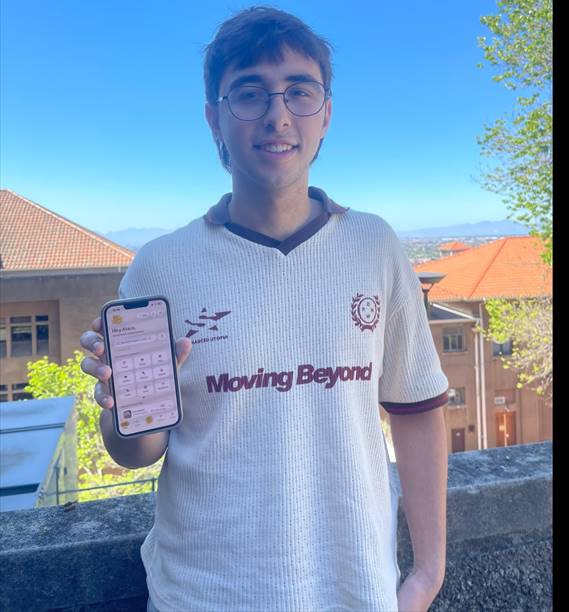
Dylan Steiner, a 20-year-old first-year business science student, turned that price gap into Bites, a free food discovery app. The app lets diners compare menu prices, read reviews, view food photographs and find meals that offer better value for money.
Steiner said the price difference came as a shock. “I was like, there’s no way I didn’t know that this is nearly half the price across the road,” he said.
“That’s when it clicked in my head that I should be able to create an app where people can upload prices and then more easily compare, so they never have to go to an expensive restaurant again.”
For Steiner, the idea goes beyond finding the cheapest meal. “The core question Bites is trying to answer is: if you order this, are you getting scammed? Is it worth it or not?” he said.
He said he had seen fellow students struggle to afford restaurant meals in a city where eating out can be expensive. In particular, this is a problem for young people on tight budgets.
Visiting 700 restaurants
Steiner has personally visited about 700 restaurants in Cape Town to photograph menus and record prices. Furthermore, he developed software to help him upload and categorise menus. He said the response from restaurant owners had generally been encouraging.
Restaurants will be able to update their own menus and prices, while users can submit photographs when they encounter prices that differ from those listed. In addition, the app uses a system to identify unusual prices, with extreme outliers flagged for review. Users can also assess value for money through ratings, photographs and reviews.
Building with AI
Steiner did not have a software development background. He used artificial intelligence tools to help write much of the app’s code, focusing on the design and features instead.
“The hardest part was more my vision and how I wanted the app to look and feel,” he said. “Enacting that vision was the most difficult part, and it took many months of refining to get it done.”
Steiner spends about five hours a day working on Bites alongside his studies. “I think it’s worth it if I can get South Africans and students more affordable restaurants and make eating out cheaper and more accessible for everyone,” he said.
Free app, big ambitions
Bites is free to use, and Steiner said he intends to keep it that way. His longer-term model may involve charging restaurants a subscription fee for verified profiles. This could allow them to promote deals and monitor reviews.
The app has recorded more than 2 000 downloads since its Cape Town launch. Steiner said his priority is to build a strong user community before expanding to Johannesburg, Durban and Pretoria. Looking ahead, international cities are a longer-term possibility.
His message to other students with ideas but no technical skills: “I think the technology in 2026 is so advanced that if you really think you have an idea that can succeed, just try your best to get it done.”
ALSO READ:Revitalising Rondebosch: Transforming the heart of Cape Town’s historic suburb