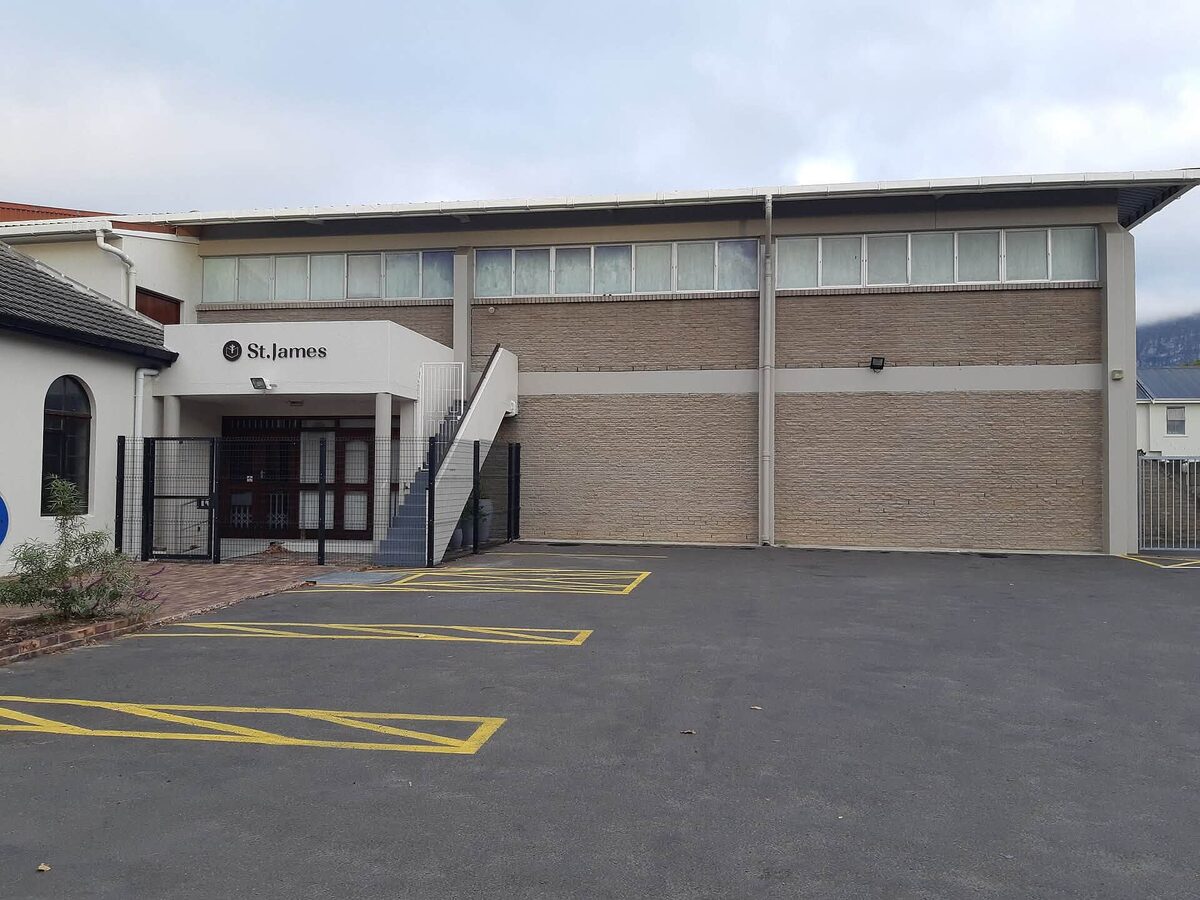
Thirty-three years after gunmen stormed St James church in Kenilworth, one woman’s quiet hospitality still resonates.
On Saturday 25 July the church will commemorate its 33rd anniversary of the 1993 massacre. Four members of the Azanian People’s Liberation Army (APLA) struck during an evening service. The group formed the military wing of the Pan-Africanist Congress (PAC). The attack killed 11 people and injured 58 others.
About 1,000 worshippers had gathered when the attackers entered armed with assault rifles and hand grenades. They hurled grenades into the congregation before opening fire indiscriminately.
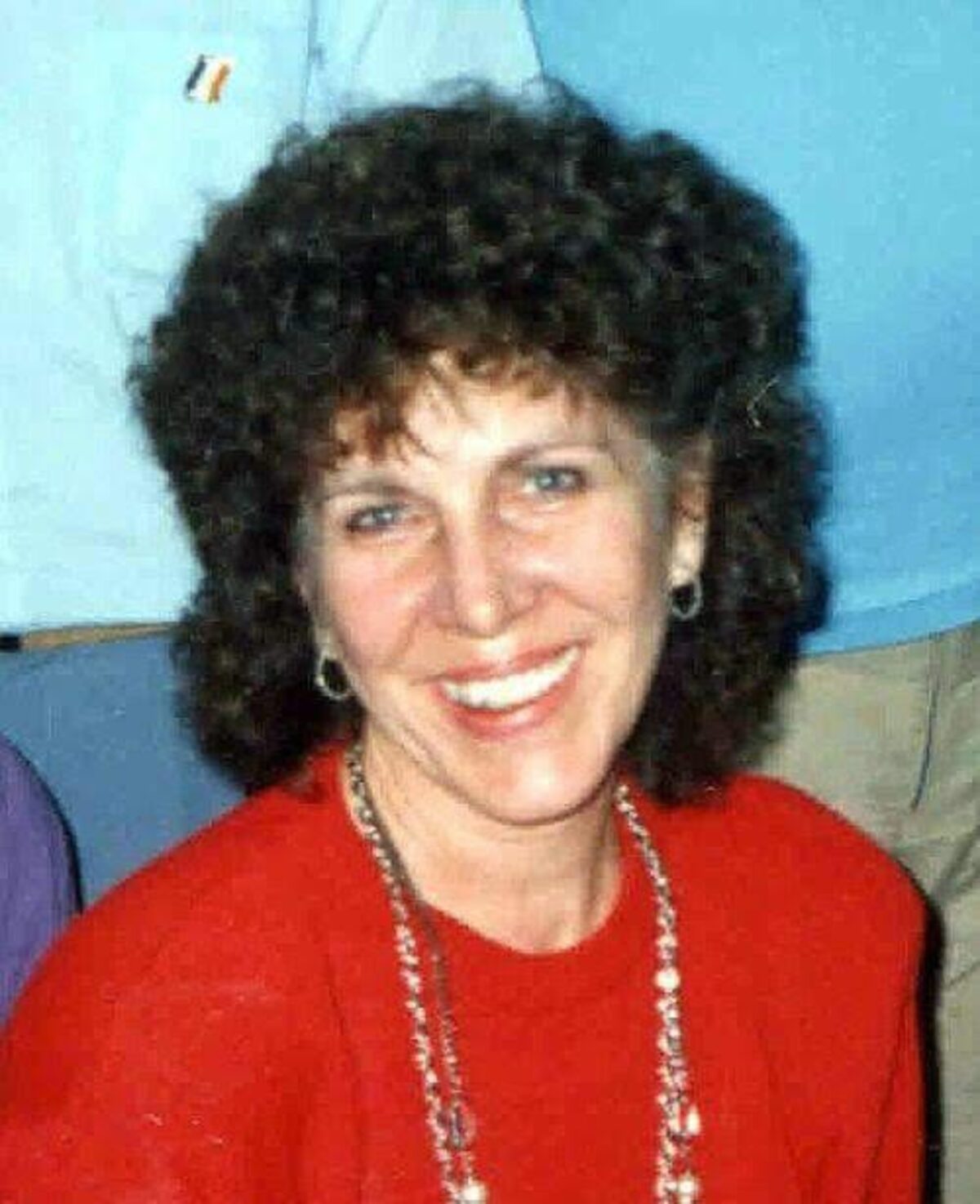
The attack killed Marita Ackermann, a wife and mother of three whose ministry focused on welcoming strangers.
Dr Peter Hammond recounted her story, pausing several times to compose himself. He had close ties to the St James congregation and directed Frontline Fellowship, an outfit also based nearby.
Ackermann spearheaded the church’s outreach to visiting foreign sailors, many of them from Russia. She regularly invited them to Sunday services and welcomed them into her home for meals. Her outreach work also extended to Khayelitsha.
“Marita had a remarkable gift of hospitality,” Hammond said. “She didn’t just invite people to church.”
One of the sailors she invited to the evening service on 25 July 1993 was Dmitri Makogon.
Makogon survived the attack, but lost both legs and an arm. Ackermann did not, nor did the four other Russian sailors.
Charl van Wyk, attending the service that evening, initially thought the young men’s entrance was a planned youth performance.
“Earlier that evening a youth worker had mentioned there would be something performed for the young people, so I thought it was part of the programme.”
Within seconds he realised the congregation was under attack.
Carrying a licensed .38 Special revolver, Van Wyk returned the attackers’ fire, striking one of them in the hand. His intervention disrupted the assault and forced the gunmen to flee. They left before carrying out a planned petrol-bomb attack on the building.
A survivor’s journey
Hammond said the St James’ community later rallied around Makogon and his fiancée, Olga. They had read about their circumstances in a community newspaper.
“We organised a home for them and helped them start rebuilding their lives.”
In 1998 the Truth and Reconciliation Commission (TRC) granted amnesty to three of the four attackers. The TRC found they had acted with a political objective and made full disclosure. The commission struck the fourth attacker’s application from the roll.
Only three victims formally opposed amnesty, Makogon among them. He argued that the attackers had not made full disclosure. The application nevertheless succeeded.
Although the TRC found the massacre to be “a gross violation of human rights”, authorities later released one of the convicted attackers. He had served about five and a half years of a 23-year prison sentence.
Choosing reconciliation
Over the decades that followed, Van Wyk embarked on an unexpected journey.
He met and later befriended Letlapa Mphahlele, the former APLA commander who ordered the attack.
“I still speak to Letlapa today.”
Through Mphahlele, Van Wyk also met Gcinikhaya Makoma, the attacker he wounded during the exchange of gunfire. Van Wyk visited Makoma several times at then-named Victor Verster Prison in Paarl (now the Drakenstein Correctional Centre).
“We had many conversations about politics, religion and our different world views.”
Although the two have since lost contact, Van Wyk considers these conversations pivotal to his present understanding of reconciliation.
His relationship with former APLA commander Lindelekile Ngqisha later led to a joint feeding ministry for children during the Covid-19 pandemic. They ran it with Ngqisha’s brother, who is a pastor.
Reflecting on the past 33 years, Van Wyk said honest conversations rather than ignored history built reconciliation.
“We have all spent time getting to know one another by discussing the Gospel, religion, politics, world views and various other things not usually discussed in polite company,” he chuckled. They never came to blows, returned to violence, or tried to cancel one another out. “Despite our profound differences, we treated one another with respect and engaged in honest conversation.”
Forgiveness a personal journey
Van Wyk said he understood not every survivor had chosen forgiveness.
No one can force forgiveness, he said. “Every victim’s journey is personal, and I have great respect and compassion for those who continue to carry unimaginable pain.”
He said his Christian faith and Christ’s command to forgive those who have wronged us drove his decision to forgive. It was not because the crime was insignificant or justice did not matter, he said, but because God through Christ had first forgiven him.
He said survivors should not confuse forgiveness with abandoning justice.
“Forgiveness, choosing not to seek personal revenge or allow hatred to dominate our lives, does not remove the responsibility of civil government to fulfil a God-given duty to bring criminals to justice. In other words, one can forgive and, without malice or bitterness, still call for justice.”
For Van Wyk the anniversary is ultimately about remembering the lives the attack took while recognising the healing that followed.
“The attack was a terrible act of evil, but it did not have the final word. God’s grace, the call to forgive and the hope found in Jesus Christ have brought healing and reconciliation, and have transformed lives.”
For Hammond, however, the anniversary also serves as a reminder of Ackermann’s legacy. More than three decades later, people remember her not simply as one of the 11 killed that evening. They remember a woman whose compassion reached beyond the walls of her church, and whose final act of welcome became the tragedy of her life.
ALSO READ: ‘We need more ambulances’: St James massacre memories resurface 33 years on