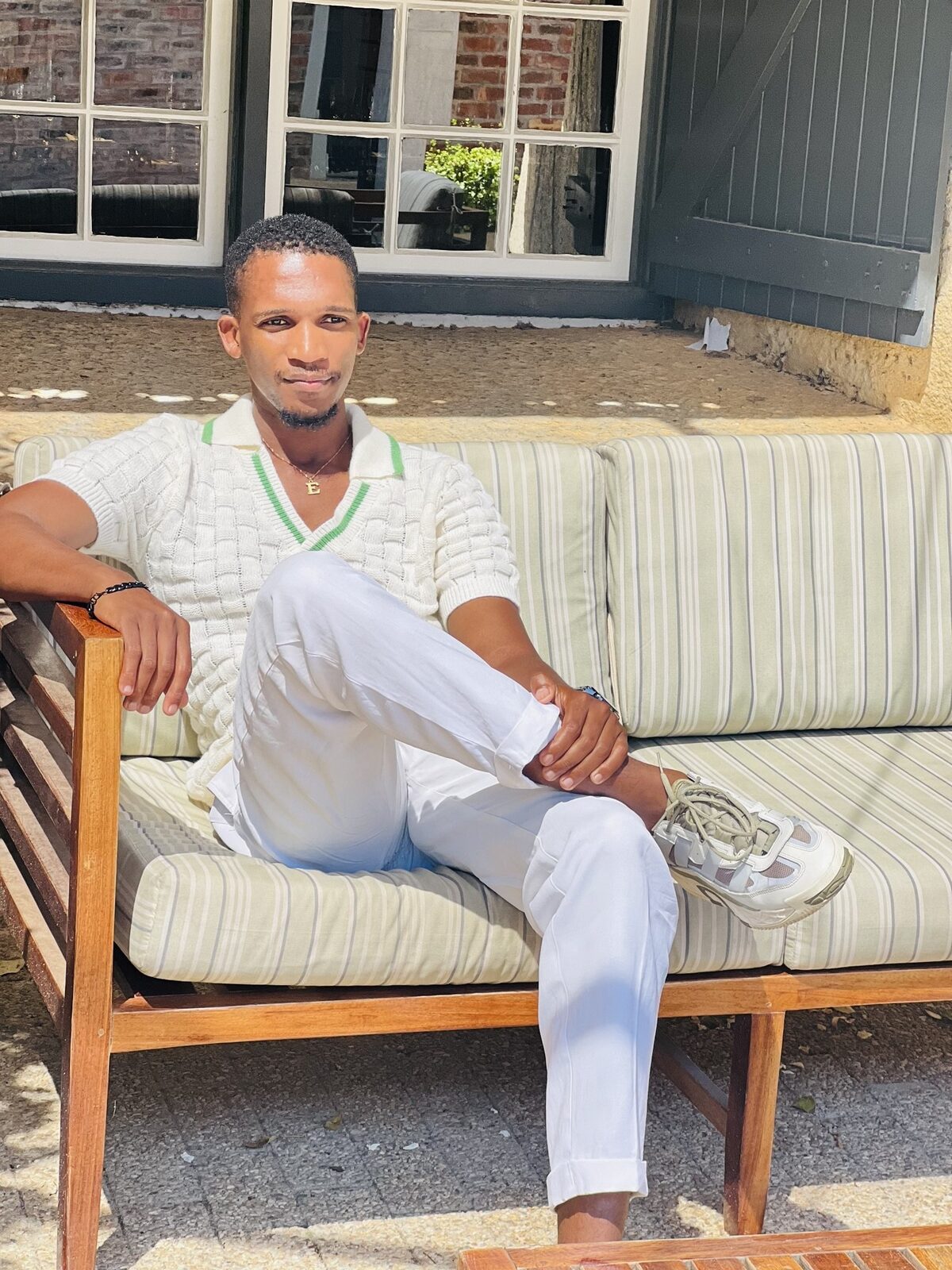
As South Africa settles into festive season celebrations, South African Breweries (SAB) and public–health research bodies alike renew calls for responsible alcohol use, emphasising the importance of maintaining sobriety amid festive season.
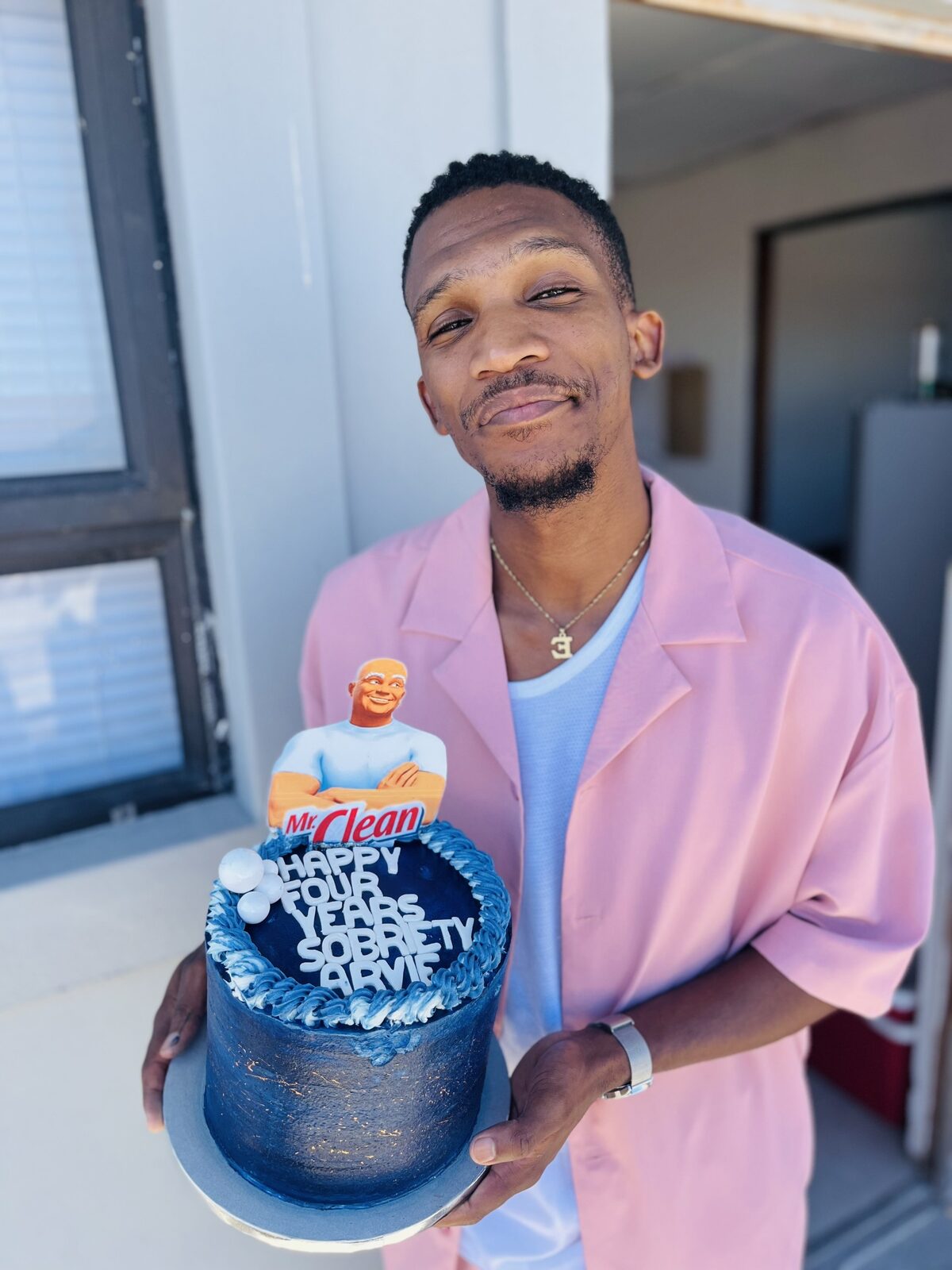
For 33-year-old Avuyile Mackenzie, who recently marked five years of being alcohol-free, the appeal is not abstract.
It is deeply personal.
A personal turning point
Mackenzie began drinking before he was 16. Peer influence and the belief that alcohol helped him socialise drew him in. “It was introduced to me as a cool thing, and I ended up drinking for half of my life,”
he says.
Raised in a church-going, family-oriented home, he viewed alcohol as a “catalyst for entertaining people.”
His turning point came in early 2020 during hard lockdown.
He and friends bought alcohol in Aliwal North while travelling to Cape Town.
Police chased them.
The moment made him reconsider his drinking.
“I said these were my last bottles. They laughed, but I stuck to my word ever since.”
He resolved to quit and publicly announced, “I’m done with alcohol.”
Close friend and social worker Boyce Khethani supported him. “He would buy me cooldrink whenever we went out and would constantly check in with me,” he says.
Life after alcohol
Now sober, he describes himself as more “observant” and “considerate.” “Sober me is different me, ” he says. “I stick to my word, and it gives me pride.”
He admits the challenges.
Social situations change. Friends still drink. Festive events make it harder. But he says sobriety is worth it.
“Do not rush; it is a process. Start by mimicking. Find new hobbies.
Ask people close to you how you are doing.”
Alcohol culture, harm and accountability
South African Breweries (SAB), the country’s largest brewer, promotes responsible drinking through its SAB Sharp platform. The initiative encourages four principles: Live Sharp, Drive Sharp, Sell Sharp and Talk Sharp.
As SAB explains, “SAB Sharp exemplifies how collaborative efforts can lead to impactful and sustainable solutions, setting a new benchmark for responsible behaviour in our communities.”
SAB has also launched its festive-season “Don’t Drink and Drive” campaign. The company urges South Africans not to drive if they drink.
Structural factors behind harm
Public-health experts warn that structural and social factors fuel harmful alcohol use.
A major research initiative by the University of Cape Town (UCT) and the South African Medical Research Council (SAMRC), called CHASE–SA, began in December this year. It examines political, economic and social drivers of harmful alcohol use in South Africa and Botswana. The study will link industry supply chains to community-level drinking norms and related health and social outcomes.
Project lead Professor Richard Matzopoulos says global alcohol companies increasingly target low- and middle-income countries. He notes that the burden of alcohol-related harm is “especially severe” in vulnerable communities.
Civil-society groups share this concern. The Southern Africa Alcohol Policy Alliance (SAAPA) and its partners call for evidence-based regulation of alcohol availability, pricing, marketing and access. They argue that personal responsibility alone cannot solve a structural problem.
A 2025 poll shows that 96% of South Africans believe alcohol consumption is a national issue. Seventy-three percent expressed concern about alcohol-fuelled violence, citing links to domestic abuse, child abuse and road crashes.
Sobriety as a personal and social choice
Mackenzie’s choice to stop drinking stands out not only because of its personal significance. It also challenges South Africa’s wider context of heavy episodic drinking, alcohol-related trauma and social harm.
His five-year milestone shows what long-term sobriety can look like. It proves that change is possible, even in a country where alcohol has deep social and cultural roots.
His advice echoes key messages from health and advocacy groups;sobriety is a process. It requires support, reflection and sacrifice.
South Africans spend heavily on festive-season alcohol.
Reports show that the country spent R7.7 billion on alcohol between 25 December last year and 1 January this year. Mackenzie’s journey is a timely reminder that sobriety amid festive season remains an overlooked but achievable path.